
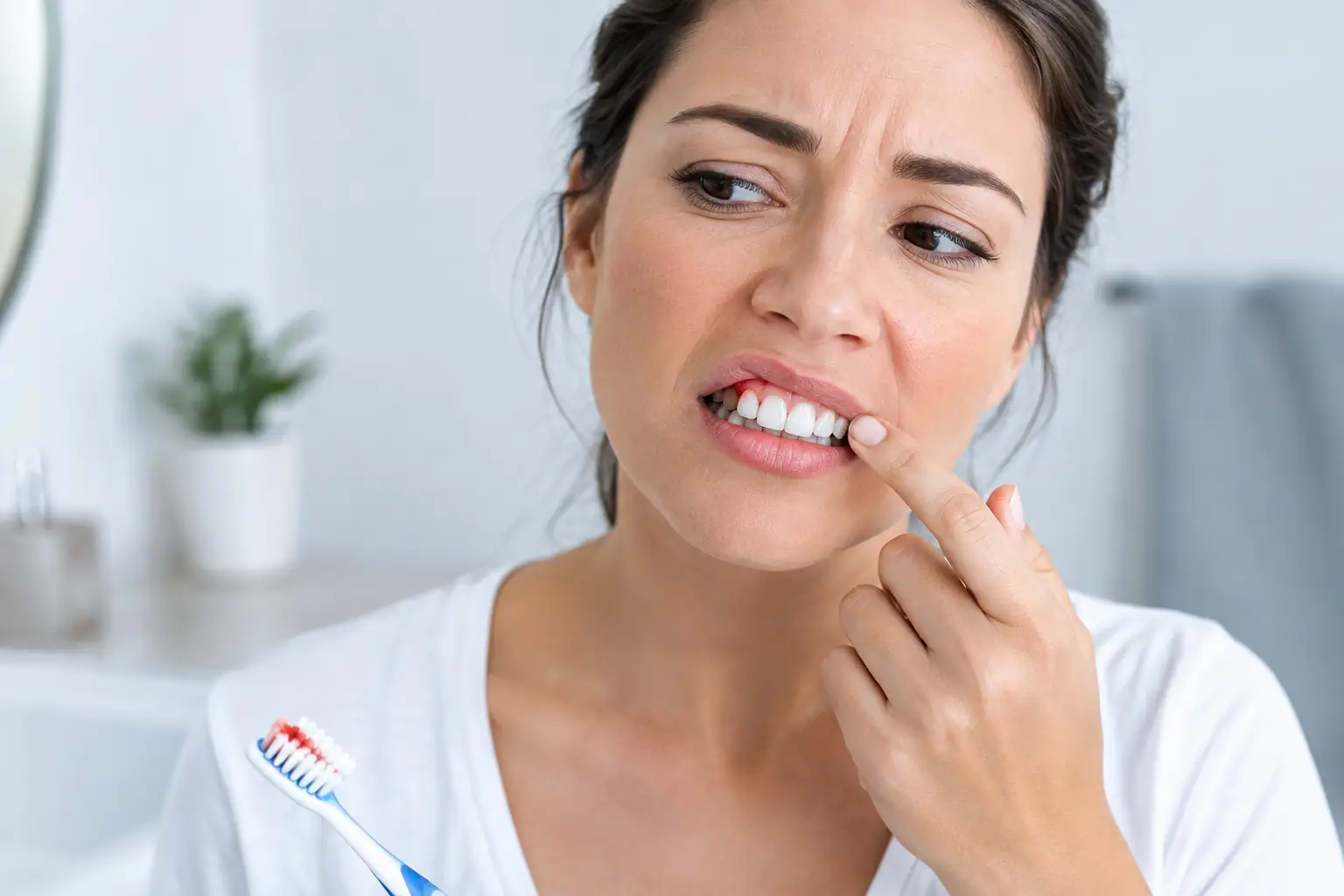
A pink streak in the sink after brushing can be unsettling, especially when your mouth does not hurt. So, why do gums bleed? Most often, bleeding is an early sign that the gums are inflamed by plaque buildup near the gumline. The good news is that early gum inflammation is usually manageable with consistent home care and timely professional treatment. Ignoring it, however, can allow a small problem to become a more serious one.
Why Do Gums Bleed During Brushing or Flossing?
Healthy gums should generally stay firm, pink or naturally pigmented, and free from regular bleeding. When plaque - a sticky film of bacteria - remains along the gumline, your immune system responds. The gums can become tender, puffy, and more likely to bleed when you brush or floss.
This earliest stage of gum disease is called gingivitis. It is common, and it does not mean you have done anything wrong. Busy schedules, skipped flossing, a new retainer, crowded teeth, and even a brushing technique that misses the gumline can all make plaque harder to remove.
A common misconception is that flossing causes bleeding and should be stopped. In many cases, the opposite is true. If gums bleed when you floss, the area may already be inflamed because bacteria and plaque have been left between the teeth. Gentle, daily flossing removes that buildup over time. Bleeding often improves within a week or two when home care is consistent, though persistent bleeding deserves a dental evaluation.
Brushing too hard can add to the problem
Aggressive brushing can irritate gum tissue, particularly with a hard-bristled toothbrush or a heavy hand. It may also contribute to gum recession over time. Still, brushing too hard is not always the main explanation. Many people who believe they are brushing aggressively actually have inflammation from plaque, so it is worth having your technique reviewed instead of guessing.
Use a soft-bristled toothbrush, angle the bristles gently toward the gumline, and make small, controlled motions rather than scrubbing back and forth. An electric toothbrush with a pressure sensor can be useful for patients who tend to brush forcefully.
Other Reasons Gums May Bleed
Plaque-related gingivitis is the most frequent cause, but it is not the only one. Changes in your body, daily routine, and medications can affect how your gums respond.
Hormonal changes during pregnancy, puberty, or menopause can make gum tissue more sensitive to plaque. This does not mean the bleeding should be dismissed as inevitable. Professional cleanings and attentive home care are especially valuable during these periods.
Dry mouth can also contribute. Saliva helps rinse away food particles and bacteria, but some medications, medical conditions, and mouth breathing reduce saliva flow. When the mouth is dry, plaque may accumulate more easily and gums can become irritated.
Certain medications, including blood thinners, may make bleeding more noticeable. They do not necessarily cause gum disease, but they can reveal inflammation that might otherwise be less obvious. Never stop or change a prescribed medication because of bleeding gums without speaking with your physician.
Poorly fitting dentures, a rough filling edge, or a new orthodontic appliance can irritate the gums in a specific spot. Tobacco use is another concern. It can mask some signs of gum inflammation while still increasing the risk of gum disease and slowing healing.
Less commonly, frequent or unexplained gum bleeding may be connected to nutritional deficiencies, blood disorders, or other medical concerns. Your dentist can help determine whether the pattern appears oral-health related or whether you should also speak with your primary care physician.
What You Can Do at Home
If the bleeding is mild and happens mainly during brushing or flossing, start with calm, consistent care rather than avoiding the area. Brush twice daily for two minutes with fluoride toothpaste and a soft-bristled brush. Clean between your teeth once a day with floss, interdental brushes, or another tool recommended for your smile.
Be gentle, but be thorough. Skipping the bleeding area allows plaque to remain there, which can prolong the inflammation. Rinse your brush after use and replace it every three to four months, or sooner if the bristles are frayed.
Hydration can help if dry mouth is contributing, and limiting frequent sugary snacks and drinks reduces the fuel available to harmful oral bacteria. An alcohol-free antimicrobial mouth rinse may be appropriate for some patients, but it should support brushing and flossing, not replace them.
Home care is powerful, but hardened plaque, called tartar or calculus, cannot be brushed away. Once tartar collects at or below the gumline, a professional cleaning is needed to remove it safely.
When Bleeding Gums Need a Dental Visit
A dental visit is the right next step if bleeding continues after one to two weeks of careful brushing and daily cleaning between the teeth. It is also wise to schedule an appointment sooner if you notice persistent bad breath, swollen gums, gum recession, sensitivity, loose teeth, or changes in how your teeth fit together.
During your visit, your dental team can examine the gums, measure areas around the teeth, check for tartar, and identify whether a local issue or gum disease is present. Digital imaging may be recommended when there is concern about bone support around the teeth. You will receive clear guidance on whether a routine cleaning, a deeper periodontal cleaning, or another treatment is appropriate.
This is not about judgment. Many patients put off visits because of dental anxiety, a demanding work schedule, or concern that treatment will be complicated. A thoughtful exam replaces uncertainty with a plan. At Ashar Dentistry, care begins by listening to what you are experiencing and explaining the next steps in a way that feels manageable.
Do not wait if bleeding comes with these symptoms
Call a dentist promptly if bleeding is heavy, difficult to stop, or follows an injury. Seek urgent evaluation for bleeding accompanied by significant facial swelling, severe pain, fever, pus, or trouble swallowing or breathing. These symptoms can signal an infection or another concern that should not wait for a routine appointment.
If gum bleeding appears alongside easy bruising, frequent nosebleeds, unusual fatigue, or bleeding in other areas of the body, contact your medical provider as well. Your oral health and overall health are connected, and coordinated care can be the safest approach.
Can Gum Bleeding Be Prevented?
In many cases, yes. The most reliable prevention is simple: thorough brushing twice a day, daily cleaning between the teeth, and regular preventive visits based on your individual needs. Some people benefit from more frequent cleanings because of gum disease history, dry mouth, diabetes, orthodontic appliances, or a tendency to build tartar quickly.
Technique matters as much as effort. A personalized recommendation for the right toothbrush, flossing method, or interdental cleaner can make daily care more effective and more comfortable. For children, helping them develop these habits early creates a strong foundation for healthier gums as they grow.
Bleeding gums are your body’s way of asking for attention, not a reason for embarrassment. A gentle routine and a timely dental appointment can help you protect the comfort, confidence, and long-term health of your smile.
This article is general dental-health information from Ashar Dentistry in McKinney, TX and is not a substitute for an exam or personalised advice. Questions about your own teeth? Call us or book a visit.