
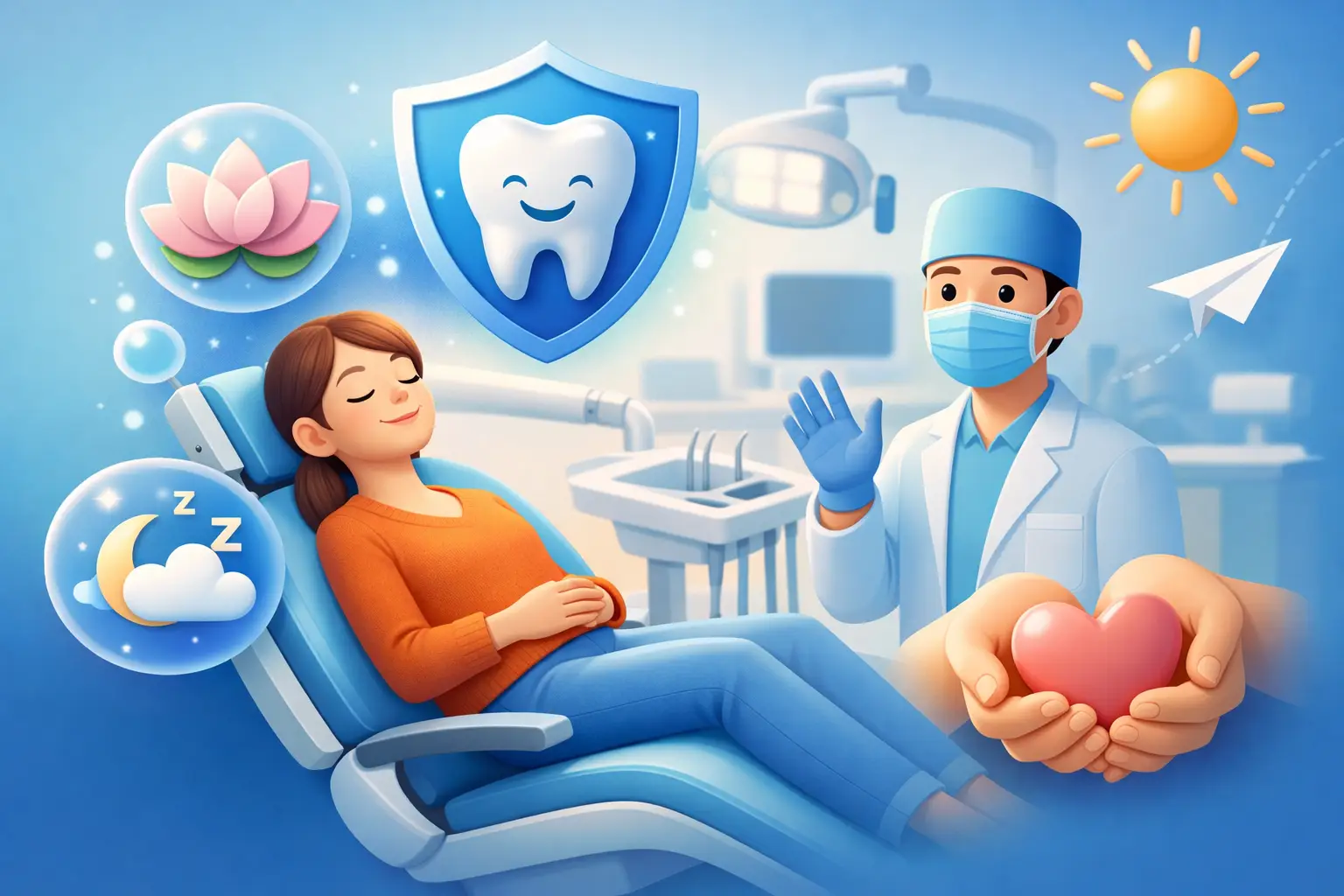
A dental appointment can feel overwhelming long before you sit in the chair. Maybe the sound of instruments brings back a difficult childhood visit. Maybe you are worried about discomfort, embarrassed about how long it has been since your last cleaning, or unsure what treatment may cost. Dental anxiety relief begins by recognizing that those reactions are real and that you deserve care designed around your comfort, not judgment.
At Ashar Dentistry, we care for people, not simply teeth. That means listening carefully, explaining what we see, and helping you move through care at a pace that feels manageable. Whether you need a routine exam, treatment for sudden pain, or a more extensive smile restoration, a calmer experience starts with a clear plan.
Why Dental Visits Can Feel So Stressful
Dental anxiety has many causes, and it does not always match the complexity of the appointment. A person may feel nervous about a simple cleaning, while another feels comfortable with a longer restorative procedure. Previous painful experiences, a strong gag reflex, sensitivity to sounds or smells, fear of needles, concerns about loss of control, and financial uncertainty can all contribute.
For many adults in McKinney and the surrounding North Dallas communities, anxiety is also tied to avoidance. The longer someone puts off care, the more they may worry that the dentist will find a serious issue or criticize them for waiting. In reality, delaying care is common, and it is never a reason for shame. The most useful next step is simply to begin a conversation.
Children can feel anxious for different reasons. They may be uncertain about unfamiliar tools, concerned about separation from a parent, or sensitive to a new environment. A gentle, patient introduction can make a meaningful difference in how a child views dental care for years to come.
Dental Anxiety Relief Starts Before Your Appointment
You do not have to arrive feeling perfectly calm. Let the dental team know when you schedule that you are anxious, have had a difficult experience, or need extra explanation. This allows the appointment to be planned with more intention from the beginning.
It can help to schedule at a time when you are less rushed. If mornings feel calmer, choose an early appointment. If you need time to settle after school drop-off or work, a later visit may be better. Avoid treating the appointment like something you have to squeeze between high-pressure obligations when possible.
Before you come in, write down your biggest concern. It may be as specific as injections or as broad as, “I am afraid I will need a lot of work.” Naming the concern gives your dental team something concrete to address. You can also ask what will happen during the first visit, how long it may take, and when you will have time to discuss findings and treatment options.
If cost is part of the stress, say so early. Clear treatment planning includes a discussion of priorities. Some care needs immediate attention, while other treatment may be phased over time. For qualifying patients, financing options such as Cherry and Credee may help make planned care more manageable. The right approach depends on your oral health needs, timeline, and budget.
What a Comfort-Focused Visit Looks Like
A supportive dental experience should not rely on vague reassurance alone. It should give you information, choices, and a sense of control.
Start with a conversation, not assumptions
A good first conversation covers more than your medical history. Your dentist should understand what has made appointments difficult in the past, what helps you feel grounded, and what you want to know before treatment begins. Some patients prefer a detailed explanation of every step. Others would rather receive a simple overview and only hear updates when something changes. Both preferences are valid.
This conversation is also a good time to establish a signal for a break, such as raising your hand. Knowing you can pause often reduces the feeling of being trapped in the chair. A break does not mean you have failed or caused a problem. It is simply part of caring for your needs.
Clear information reduces uncertainty
Fear tends to grow in the gaps between what you know and what you imagine. Modern digital imaging and diagnostic technology can help your dentist show you what is happening and explain why a particular treatment is recommended. You should understand the condition, the proposed treatment, its expected benefits, alternatives when appropriate, and what may happen if care is delayed.
For example, a small cavity may be treated conservatively before it becomes painful or requires a more involved restoration. A cracked tooth may need a crown to protect it from further damage. When treatment is explained in plain language, it becomes easier to make decisions based on facts rather than fear.
Comfort is personalized
There is no single technique that works for every patient. Some people feel better with a quiet room, a warm blanket, or music through headphones. Others need frequent check-ins, additional time, or a step-by-step explanation. Simple breathing can be effective as well: inhale slowly through your nose, then exhale longer and more slowly. Repeat this several times while your shoulders relax.
For treatment that involves local anesthetic, your dentist can explain how the area will be numbed and check that you are comfortable before proceeding. If you are concerned about sensitivity, tell the team immediately rather than trying to push through it. Effective care is collaborative, and your feedback matters throughout the appointment.
When Anxiety Has Delayed Dental Care
If it has been years since your last appointment, the thought of “catching up” can feel daunting. Try not to assume that one visit must solve everything. Your first visit may focus on an exam, digital images if needed, a cleaning or periodontal assessment, and a discussion of priorities. From there, your dentist can organize treatment into sensible stages.
Urgent concerns usually come first. A toothache, swelling, broken tooth, lost filling, or signs of infection should be evaluated promptly. Treating pain or protecting a damaged tooth can bring relief and prevent a smaller issue from becoming more complicated. Then, you can address preventive needs and longer-term goals such as crowns, implants, clear aligners, whitening, or cosmetic improvements.
A phased plan is especially helpful when someone needs several services. It creates room to build trust one appointment at a time. You may begin with a simple preventive visit, then schedule restorative treatment once you know the team, the environment, and what to expect.
Practical Ways to Feel More in Control
The day of your appointment, give yourself permission to use the strategies that help you regulate stress. Bring headphones if music or a familiar podcast helps. Wear comfortable clothing. Arrive a few minutes early rather than rushing in at the last moment. If you are bringing a child, use calm, honest language: explain that the dentist will count and clean their teeth, and avoid promising that absolutely nothing will feel unfamiliar.
It also helps to keep the goal small. Instead of telling yourself you have to become someone who loves dental visits, focus on one achievable action: make the call, attend the consultation, complete the exam, or ask one question. Confidence is built through repeated experiences of being heard and cared for.
If fear feels intense enough to interfere with everyday life, or if panic symptoms make appointments impossible, speak with your physician or a licensed mental health professional as well. Dental care and mental health support can work together. Your dental team can adapt the clinical experience, while a therapist can help address the deeper patterns behind phobias or panic.
A Calmer Path Forward
You do not need to wait until discomfort forces your hand. A consultation is a chance to be heard, understand your oral health, and decide on the next right step without pressure. With compassionate communication, modern care, and a treatment plan built around your needs, dental visits can become more predictable and far less intimidating.
Start where you are. Tell the team what makes you nervous, ask for the information you need, and let each appointment be one practical step toward a healthier, more confident smile.
This article is general dental-health information from Ashar Dentistry in McKinney, TX and is not a substitute for an exam or personalised advice. Questions about your own teeth? Call us or book a visit.