
A cavity rarely starts with a dramatic toothache. More often, it begins quietly: a sticky snack during the school pickup line, a second cup of sweetened coffee, or plaque left near the gumline where a toothbrush did not quite reach. The most effective cavity prevention tips are not complicated, but they do need to fit your real routine well enough to happen consistently.
Cavities form when bacteria in plaque feed on sugars and starches, producing acids that pull minerals from tooth enamel. Saliva, fluoride, and good home care can help repair early damage. But when acid attacks happen too often or plaque remains in place, a small weak spot can become a hole that needs a filling. Prevention protects more than a smile - it can help your family avoid discomfort, missed school or work, and more extensive treatment later.
Cavity Prevention Tips for Everyday Life
1. Brush twice daily with fluoride toothpaste
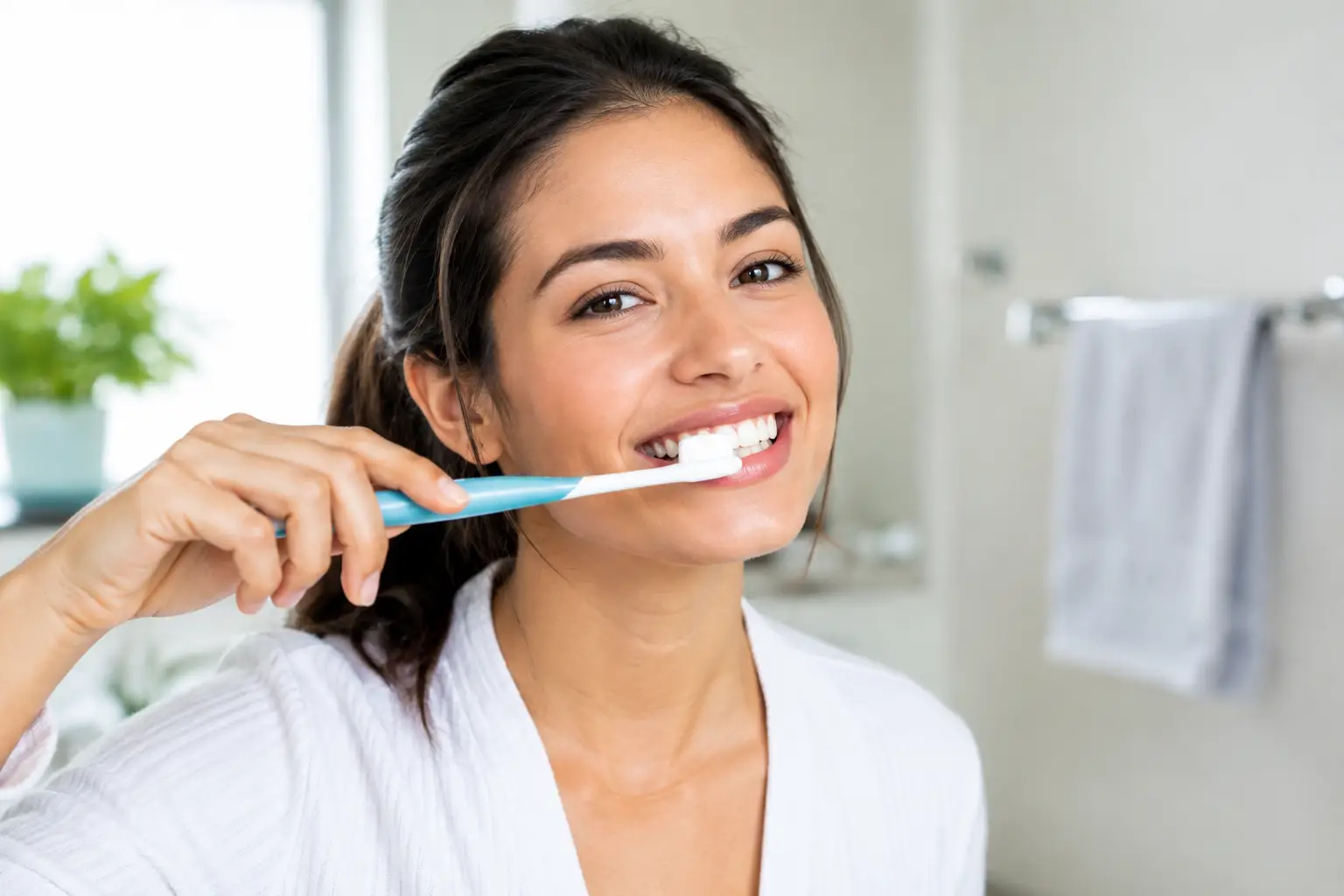
Brush for two full minutes in the morning and before bed using a soft-bristled toothbrush and fluoride toothpaste. Fluoride strengthens enamel and helps reverse the earliest stages of decay before a cavity fully develops. For adults and older children who can spit reliably, use a pea-sized amount of toothpaste. Younger children need smaller amounts based on their age and ability to spit, so ask your dentist for guidance at their visit.
Technique matters as much as timing. Angle the bristles gently toward the gumline, use small circular motions, and give equal attention to the chewing surfaces, outer surfaces, and tongue-side surfaces of every tooth. Brushing harder is not better. Aggressive scrubbing can irritate gums and wear tooth surfaces over time.
At night, brushing is especially valuable because saliva flow naturally decreases during sleep. Going to bed with plaque and food residue on teeth gives cavity-causing bacteria a long, undisturbed window to work.
2. Clean between teeth every day
A toothbrush cannot fully clean the tight spaces between teeth. Floss, interdental brushes, or a water flosser can remove plaque and food particles from areas where cavities often begin without being seen.
Traditional floss is highly effective when used correctly, but the best choice is the one you will use consistently. Some patients prefer a water flosser because it feels easier with braces, bridges, implants, or sensitive gums. Others find floss picks more practical for a busy schedule. Your dental team can recommend an option that works with your teeth and restorative work.
3. Think about frequency, not just sugar
Many people focus only on how much sugar they eat. The number of times teeth are exposed to sugar and starch during the day is often just as significant. Each snack or sweet drink can create an acid attack that lasts for a while, and frequent grazing gives enamel less time to recover.
That does not mean you must eliminate every treat. It means being strategic. Enjoy dessert with a meal rather than sipping or nibbling on it over several hours. Choose water between meals when possible. If you drink coffee or tea with sugar, flavored syrup, or creamer, try to finish it in one sitting instead of taking small sips all morning.
Sticky foods deserve extra attention because they can cling to tooth grooves and between teeth. Dried fruit, crackers, chips, gummies, and granola bars can all contribute to decay if they become frequent between-meal snacks. Rinsing with water afterward and brushing at the appropriate time can help.
4. Make water your default drink
Plain water is one of the simplest tools for protecting teeth. It rinses away food debris, supports saliva production, and avoids the sugar and acid found in soda, sports drinks, sweet tea, juice, and many flavored beverages.
For North Texas families, drinking fluoridated tap water may provide an additional enamel-strengthening benefit. Bottled water is not necessarily a problem, but it may not contain fluoride. If bottled water is your household default, ask your dentist whether your child or your own teeth could benefit from additional fluoride support.
Acidic drinks can soften enamel even when they are sugar-free. Sparkling water, diet soda, citrus drinks, and energy drinks vary in acidity. You do not have to treat them as forbidden, but frequent sipping can be hard on enamel. Have them with a meal when possible, then follow with plain water. Avoid brushing immediately after an acidic drink; waiting about 30 minutes gives enamel time to reharden.
5. Keep saliva working for you
Saliva is the mouth's natural defense system. It helps wash away debris, neutralize acids, and deliver minerals back to enamel. Dry mouth can raise cavity risk quickly, especially around the gumline and along the edges of crowns or fillings.
Dry mouth may be related to medications, mouth breathing, certain health conditions, dehydration, or simply sleeping with an open mouth. If your mouth feels dry often, do not assume it is just an inconvenience. Mention it during your appointment. A dentist can help identify possible causes and recommend practical steps, such as hydration, saliva-supporting products, fluoride treatments, or a prescription-strength toothpaste when appropriate.
Sugar-free gum containing xylitol can be useful for some adults and older children after meals because chewing stimulates saliva. It is not a substitute for brushing and flossing, and it should be kept away from pets, since xylitol is dangerous for dogs.
6. Seal deep grooves when they are vulnerable
Molars have narrow pits and grooves that can trap plaque even in people who brush carefully. Dental sealants are thin protective coatings placed over the chewing surfaces of back teeth. They are especially common for children after permanent molars come in, but some adults may benefit as well.
Sealants are a preventive option, not an indication that someone has done anything wrong. They simply provide extra protection in a part of the mouth that is difficult to clean. During regular exams, your dentist can check whether sealants are intact and whether they make sense for your family's cavity risk.
7. Do not skip regular exams and cleanings
Home care is essential, but cavities can form in places you cannot see or feel. A professional exam can identify early enamel changes, failing fillings, gumline decay, and cavities between teeth before they become painful. Dental X-rays, when clinically appropriate, allow your dentist to see between teeth and beneath existing restorations.
The ideal visit schedule depends on your needs. Some patients with low cavity risk may need routine preventive visits only, while children, people with dry mouth, patients with gum disease, and those with a history of frequent decay may benefit from more frequent monitoring. Personalized care is more useful than a one-size-fits-all schedule.
Professional cleanings also remove hardened tartar that cannot be brushed away at home. If dental visits make you anxious, let the office know before you arrive. A compassionate team can explain each step, move at a comfortable pace, and help make preventive care feel manageable rather than intimidating.
When Early Treatment Matters
A cavity may not hurt until it has reached deeper layers of the tooth. Sensitivity to sweets, cold drinks, or biting pressure can be a warning sign, but no pain does not always mean no problem. White, chalky patches can indicate early mineral loss, while brown or dark areas may need evaluation. Bleeding gums, persistent bad breath, and food repeatedly catching in one area also deserve attention.
Early decay may sometimes be managed with fluoride, improved home care, dietary changes, and close monitoring. Once decay creates a true hole in the enamel, it will not grow back on its own. A small filling can prevent the problem from reaching the nerve, where treatment may become more complex and costly.
For families in McKinney and nearby North Dallas communities, Ashar Dentistry provides preventive care with clear explanations and a comfort-focused approach. Whether you are bringing in a child for their first routine visit or addressing sensitivity you have been putting off, the goal is the same: catch concerns early and help you keep your natural teeth healthy for the long term.
The best next step is not perfection. Choose one change you can repeat this week - floss before bed, replace a daily sugary drink with water, or schedule the preventive visit that has been on your to-do list. Small, steady habits give your enamel the protection it needs.
This article is general dental-health information from Ashar Dentistry in McKinney, TX and is not a substitute for an exam or personalised advice. Questions about your own teeth? Call us or book a visit.