
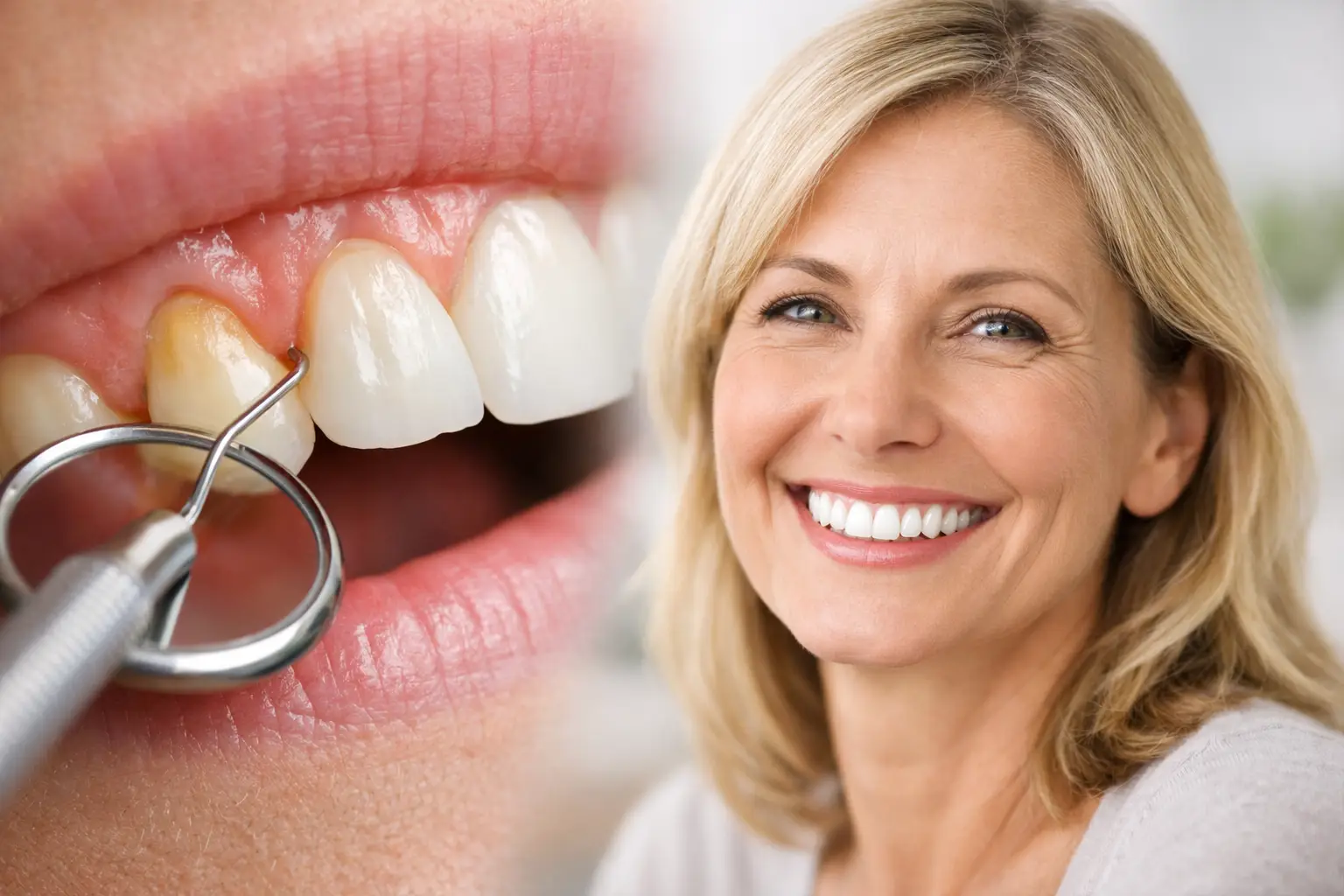
A tooth that suddenly looks longer, sensitivity when you sip something cold, or a notch near the gumline can be early signs of gum recession. This condition is common, but it deserves attention. When gum tissue pulls back from a tooth, it exposes areas that were never designed to face the daily wear of brushing, biting, temperature changes, and bacteria.
The good news is that a clear, personalized plan can often protect the teeth, improve comfort, and prevent recession from progressing. The right treatment depends on why it is happening, how much tissue has been lost, and the health of the bone supporting your teeth.
What Happens When Gums Recede?
Healthy gums create a protective seal around each tooth. With recession, the gumline moves downward on upper teeth or upward on lower teeth, leaving more of the tooth root exposed. Because roots are covered by cementum rather than strong enamel, they can be more vulnerable to sensitivity, decay, and wear.
Gum recession is not always painful. In fact, many people first notice it in the mirror or when a hygienist points out changes during a routine visit. Others notice a sharp response to cold drinks, sweet foods, or brushing. Some assume it is simply part of getting older, but recession is not something to ignore as a normal consequence of age.
Once gum tissue has receded, it generally does not grow back on its own. That does not mean every case requires surgery. It does mean the cause should be identified before exposed roots become more difficult to protect.
Common Causes of Gum Recession
There is rarely one explanation for every patient. A thorough exam looks at your gum health, home care habits, bite, tooth position, and medical history to understand the full picture.
Periodontal disease is one of the most significant causes. Plaque that remains along and below the gumline can trigger inflammation and infection. Over time, this process can damage the tissues and bone that hold teeth in place. Gums may bleed, look puffy, or begin to pull away from teeth. Periodontal disease can progress quietly, so an absence of pain does not necessarily mean an absence of concern.
Aggressive brushing can also contribute. Brushing harder does not clean better. A firm-bristled brush, a heavy hand, or a back-and-forth scrubbing motion can gradually wear away gum tissue and the root surface, especially around teeth with thinner gums. A soft-bristled brush and a gentle, angled technique are usually safer and more effective.
Other contributors can include naturally thin gum tissue, crowded or rotated teeth, clenching and grinding, tobacco use, poorly fitting dental appliances, oral piercings, and changes around orthodontic treatment. Some people simply have a genetic tendency toward thinner gums. This is why two people with similar brushing habits may have very different experiences.
Signs Worth Bringing Up at Your Appointment
A receding gumline may be subtle at first. Pay attention if you notice any of the following changes:
- Teeth appear longer or uneven near the gumline.
- Cold, heat, sweets, or brushing cause a quick, sharp sensitivity.
- Small grooves or notches appear where a tooth meets the gum.
- Gums bleed, feel tender, or look red and swollen.
- Teeth feel loose, shift position, or your bite feels different.
Bleeding gums are especially worth mentioning. Healthy gums should not routinely bleed during brushing or flossing. Even if the bleeding stops after a day or two, an exam can reveal whether there is inflammation beneath the surface.
Why Treating Gum Recession Matters
The visible change can affect confidence, particularly around the front teeth. The greater concern, however, is long-term tooth support. Exposed roots are softer than enamel and can develop cavities more easily. They can also wear down from brushing or acidic foods and drinks, creating sensitivity and making it harder to keep the area clean.
When recession is related to gum disease, the priority is controlling infection and preserving the supporting bone. When it is related to bite pressure or tooth position, protecting the gums may involve addressing those forces. Treating only the sensitivity without addressing the underlying cause can provide temporary relief while the recession continues.
A dental exam also helps distinguish recession from other conditions that can look similar, such as a tooth that has erupted differently, a cracked tooth near the gumline, or inflammation that makes the gumline appear uneven.
Gum Recession Treatment Depends on the Cause
Treatment should be thoughtful, not one-size-fits-all. For mild, stable recession, a dentist may recommend a gentler home-care routine, a desensitizing toothpaste, fluoride treatment, and regular monitoring. If the exposed root has a worn groove or cavity, a tooth-colored restoration may help protect it and reduce discomfort.
If gum disease is present, professional periodontal treatment may be needed to remove bacterial buildup below the gumline and help the gums heal. For some patients, this may involve a deeper cleaning and a closer maintenance schedule. Keeping the area professionally monitored is essential because gum disease can return if plaque accumulates again.
More advanced recession, especially in a visible area or where the root is vulnerable, may call for gum grafting. During this procedure, a dental professional adds or repositions tissue to cover and protect the exposed root. Gum grafting is not necessary for every case, but it can be an effective option when recession is progressing, causing significant sensitivity, affecting appearance, or putting the tooth at risk.
In certain situations, correcting crowding, a misaligned tooth, or an uneven bite can reduce the pressure contributing to recession. Clear aligner treatment may be part of the conversation for the right patient, but timing matters. The gums and underlying bone should be evaluated carefully before moving teeth orthodontically.
Small Daily Changes Can Make a Meaningful Difference
Your at-home routine matters, but it should feel sustainable rather than complicated. Use a soft-bristled toothbrush twice daily and let the bristles do the work. Hold the brush at a gentle angle toward the gumline, using small motions instead of forceful scrubbing. An electric toothbrush with a pressure sensor can be helpful for people who tend to brush too hard.
Clean between your teeth daily with floss, interdental brushes, or another option recommended for your smile. This is particularly important because inflammation often begins where a toothbrush cannot reach. If your gums bleed when you start flossing regularly, do not stop immediately. Consistent, gentle cleaning often improves mild inflammation, but persistent bleeding should be evaluated.
If you clench or grind your teeth, ask whether a custom nightguard could help protect your teeth and gums from excess force. Avoid tobacco products, and consider limiting frequent acidic drinks that can weaken exposed root surfaces. These habits cannot replace professional care, but they support the results of treatment.
A Comfortable First Step for North Dallas Families
It can feel unsettling to hear that your gums are receding, especially if dental visits make you anxious. A calm evaluation can replace uncertainty with a practical plan. At Ashar Dentistry, patients receive a careful assessment of their gums, teeth, bite, and overall oral health, followed by clear explanations of what is happening and what options fit their needs.
Whether the next step is preventive care, treatment for inflammation, protection for a sensitive root, or a discussion about more advanced care, you deserve to understand the reason behind the recommendation. Early attention often gives you more conservative options and helps protect the healthy smile you already have.
If you have noticed longer-looking teeth, new sensitivity, bleeding, or a changing gumline, schedule an appointment rather than waiting for discomfort to worsen. A gentle exam and a well-organized treatment plan can help you move forward with greater comfort and confidence.
This article is general dental-health information from Ashar Dentistry in McKinney, TX and is not a substitute for an exam or personalised advice. Questions about your own teeth? Call us or book a visit.