
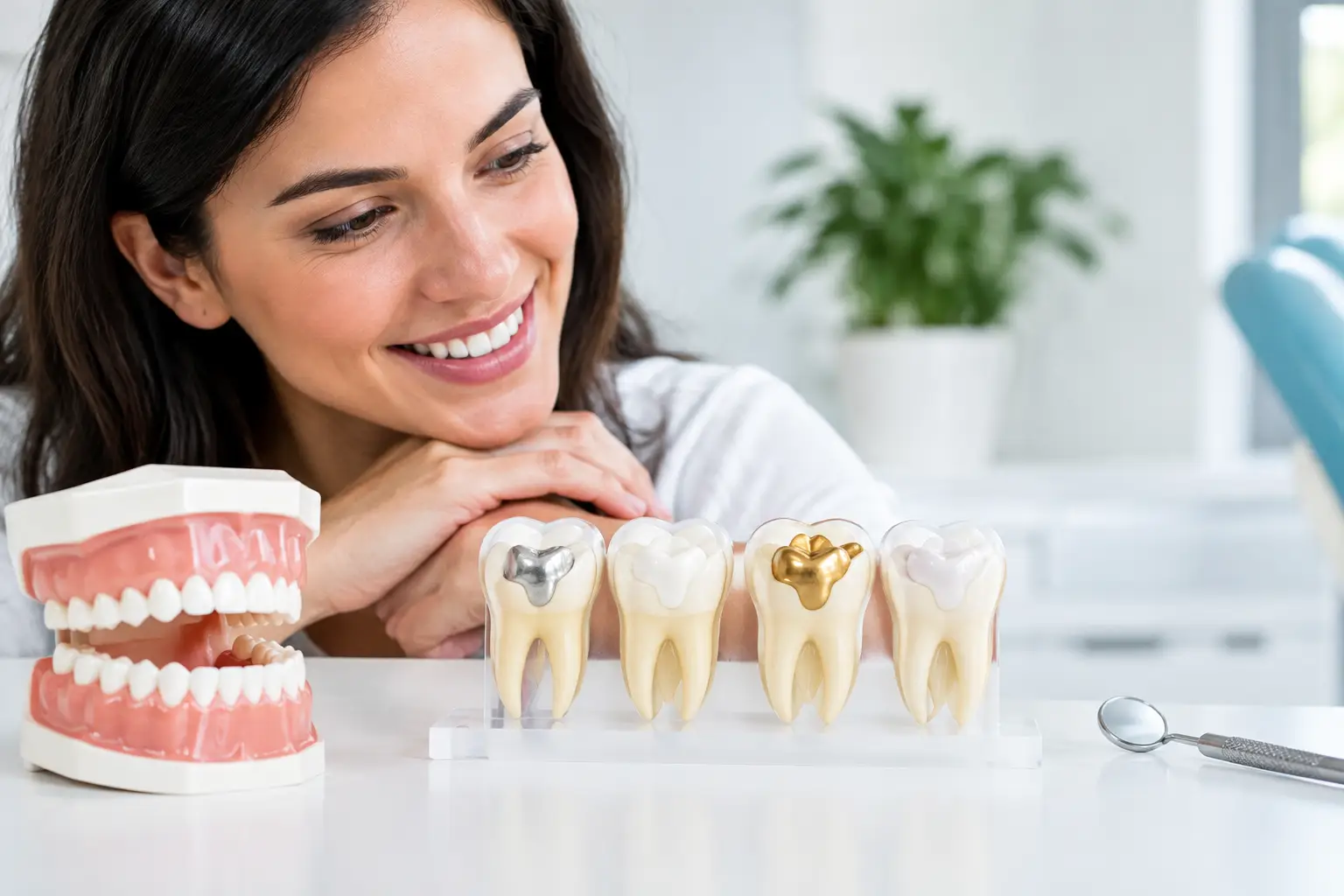
A small cavity can feel like a straightforward problem until you hear there are several filling materials to consider. The best dental fillings are not the same for every tooth, every budget, or every smile goal. A filling on a visible front tooth calls for a different conversation than one that must handle years of chewing pressure on a back molar.
At Ashar Dentistry, the goal is to help you understand your options clearly, then recommend treatment that protects your tooth while fitting your needs and comfort level. A thoughtful choice now can support a healthier, more natural-looking smile for years to come.
What a Dental Filling Is Designed to Do
A filling repairs a tooth after decay is removed or when a small area has been damaged by wear, a chip, or an old restoration that no longer seals properly. Your dentist cleans away unhealthy tooth structure, prepares the area, and places a material that restores the tooth's shape and function.
The right filling should do more than cover a hole. It needs to seal the tooth against bacteria, withstand the forces of biting, feel comfortable when you chew, and preserve as much healthy tooth structure as possible. For visible areas, color and surface texture also matter.
The size and location of the cavity are central to the decision. If a tooth has lost a large amount of structure, a filling may not be the most durable answer. A crown or another restoration may offer better long-term protection. That is why an exam and dental X-rays are more helpful than choosing a material based on appearance or price alone.
Best Dental Fillings by Material
Composite resin fillings
Composite resin is the tooth-colored material many patients picture when they think of a modern filling. It is carefully shaded to blend with the surrounding enamel, making it an excellent choice for front teeth and other visible areas. It can also be used successfully on many back teeth.
Composite bonds directly to the tooth. This can allow for a more conservative repair because the dentist often needs to remove less healthy tooth structure than with certain traditional filling designs. The material is placed in layers and hardened with a special curing light, then shaped and polished for a natural result.
For patients who value a discreet appearance, composite is often among the best dental fillings available. The trade-off is that it can be more technique-sensitive and may not be ideal for every large restoration in a heavy-biting area. It can also stain over time, particularly with frequent coffee, tea, red wine, or tobacco use, although good polishing and routine hygiene help preserve its appearance.
Amalgam fillings
Dental amalgam is a durable metal-based filling material that has been used for many decades, especially in back teeth. It is known for handling significant chewing force and can be a practical option in certain clinical situations.
Its primary drawback is appearance. Amalgam is silver-colored when placed and tends to darken over time, so it does not blend with natural enamel. It also requires a mechanical shape within the tooth for retention rather than bonding directly to enamel in the same way composite does.
For some patients, amalgam may still be appropriate based on the tooth, the extent of decay, moisture control during treatment, and individual health considerations. Your dentist can discuss current recommendations and help you make an informed choice. Replacing a stable existing amalgam filling simply because it is old is not always necessary. If it is sealed, functional, and the surrounding tooth is healthy, monitoring may be the right approach.
Glass ionomer fillings
Glass ionomer is a tooth-colored material commonly used for specific situations, such as cavities near the gumline, temporary repairs, or areas where controlling moisture is difficult. One useful characteristic is that it can release fluoride, which may support teeth at higher risk for decay.
However, glass ionomer generally is not as wear-resistant as composite resin or amalgam. It is usually not the first choice for a large filling on a chewing surface. It can be highly valuable when used in the right setting, especially for children, patients with dry mouth, or cavities in lower-stress areas.
Gold and ceramic restorations
Gold and ceramic are often discussed alongside fillings, but they are typically made outside the mouth as inlays or onlays rather than placed directly like composite or amalgam. An inlay fits within the cusps of a tooth, while an onlay covers one or more raised chewing points called cusps.
Gold is exceptionally durable and gentle on opposing teeth, but it is visible and usually carries a higher cost. Ceramic can provide a highly natural appearance and excellent stain resistance. Both options can be worthwhile when a cavity is too large for a routine filling but the tooth does not yet require a full crown.
How Dentists Choose the Right Filling
The strongest recommendation comes from the details of your tooth, not a one-size-fits-all answer. Your dentist will consider how much healthy enamel remains, whether the decay is between teeth or below the gumline, how visible the tooth is when you smile, and how much pressure it receives when you bite.
Your bite matters more than many people realize. Someone who clenches or grinds their teeth may need a different solution than someone with a lighter bite. A filling that looks beautiful but repeatedly fractures under pressure is not a successful restoration. In these cases, a night guard, bite adjustment, onlay, or crown may be part of the long-term plan.
Your history of tooth decay matters as well. If you have frequent cavities, dry mouth, exposed root surfaces, or difficulty keeping a particular area clean, the treatment conversation should include prevention. Fluoride, home-care adjustments, regular cleanings, and diet habits can make the repair last longer.
Appearance, Durability, and Cost: The Real Trade-Offs
Patients often ask which filling lasts longest. There is no single number because longevity depends on the material, cavity size, bite forces, placement quality, hygiene, and whether the tooth develops new decay around the restoration. Small, well-maintained composite fillings can last many years. Larger restorations placed under heavy force may need more protection.
Tooth-colored composite is often favored for its appearance and conservative bonding approach. It may cost more than some alternatives, and insurance coverage can vary by plan and tooth location. Amalgam may be less expensive in some situations, but it does not offer the same cosmetic result. Ceramic and gold inlays or onlays generally require a greater investment but can be excellent options for rebuilding a substantially weakened tooth.
The lowest initial cost is not always the best value. A restoration should be chosen for its ability to protect the tooth predictably, not just for how it looks on treatment day. During your consultation, ask what is being recommended, why it fits that tooth, what alternatives exist, and what future treatment may be needed if the tooth has extensive damage.
What to Expect During a Filling Appointment
Most filling appointments are comfortable and efficient. Your dentist begins by numbing the area with local anesthetic when needed. For patients who feel anxious about dental treatment, sharing that concern before the appointment allows the team to slow the pace, explain each step, and use comfort-focused techniques.
After the decay or damaged area is removed, the tooth is cleaned and prepared. Composite fillings are built and cured in layers, then adjusted so your bite feels natural. You may notice temporary sensitivity to temperature or pressure for a few days, particularly if the cavity was deep. This should gradually improve.
Call your dentist if pain worsens, your bite feels high, a filling feels rough or cracked, or sensitivity lingers beyond what your dentist advised. A simple bite adjustment can sometimes resolve discomfort quickly. Deep decay can also irritate the nerve inside a tooth, which may require further evaluation.
Helping Your Filling Last
A filling cannot decay, but the natural tooth around it can. Brush twice daily with fluoride toothpaste, clean between teeth every day, and keep regular dental exams so small concerns can be identified before they become larger repairs. Limiting frequent sugary snacks and drinks is especially helpful because repeated acid exposure can weaken the edges of a restoration.
Avoid using teeth as tools to open packages, and speak with your dentist if you grind your teeth at night. A custom night guard can protect both your natural enamel and your dental work.
Choosing a filling is ultimately about protecting the tooth you have, preserving your confidence in your smile, and making treatment feel manageable. A personalized exam gives you the clarity to move forward with a solution that feels right for your health, appearance, and daily life.
This article is general dental-health information from Ashar Dentistry in McKinney, TX and is not a substitute for an exam or personalised advice. Questions about your own teeth? Call us or book a visit.