
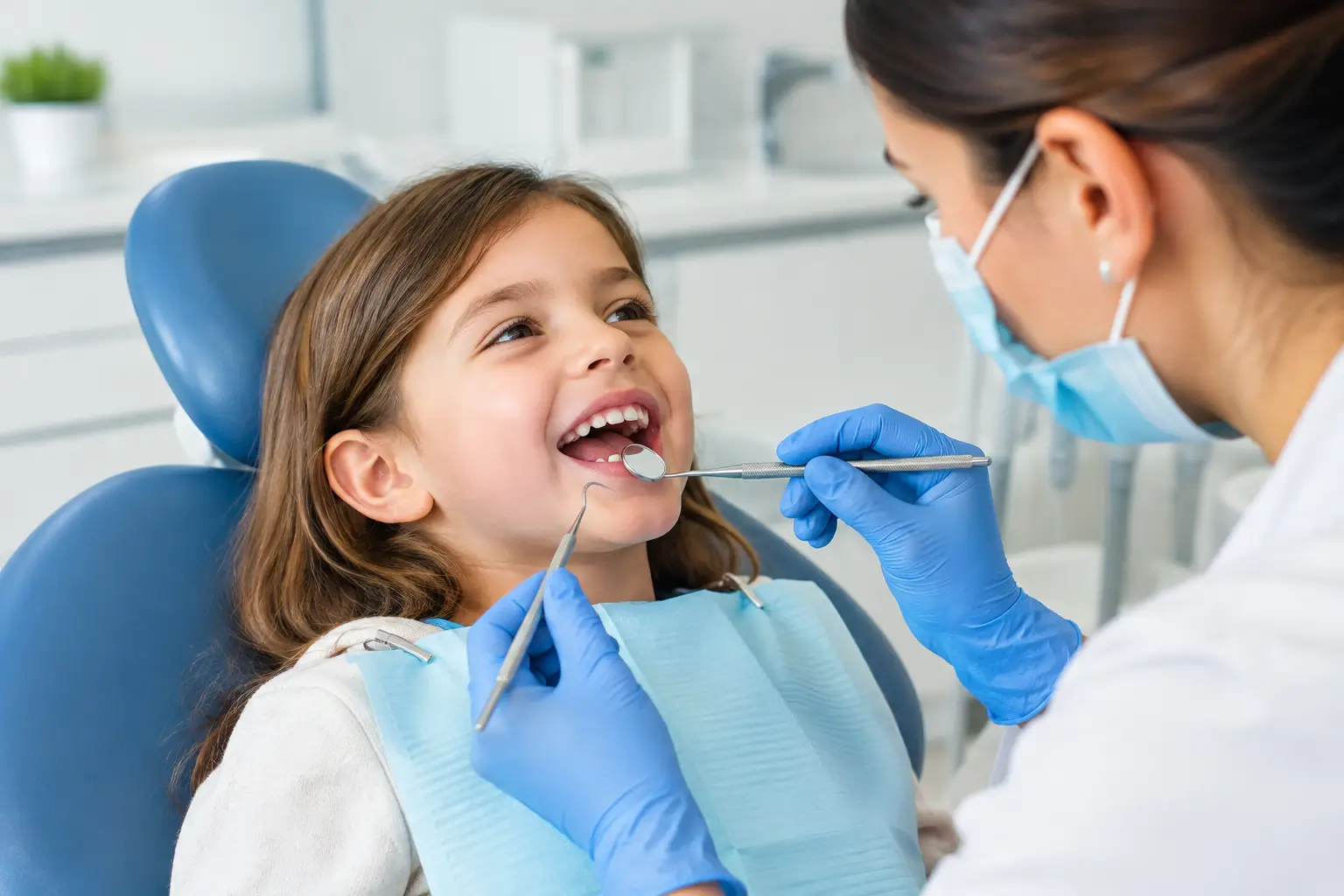
A chipped front tooth at breakfast, a complaint that a tooth hurts at bedtime, or a dark spot you cannot brush away can make a parent wonder when children need a dentist. The answer is sometimes sooner than expected. Regular visits protect growing smiles, but certain changes call for prompt attention so a small concern does not become a painful, stressful problem.
Start Dental Visits Earlier Than Many Parents Expect
A child should see a dentist by their first birthday or within six months of the first tooth coming in. This early appointment is not usually about treatment. It is a chance to check that teeth and gums are developing normally, discuss feeding and brushing habits, and help your child become familiar with the dental office before they have pain.
Baby teeth matter. They help children chew comfortably, speak clearly, and hold space for permanent teeth. Decay or early tooth loss can affect all of those functions, which is why waiting for adult teeth to appear is not the safest approach.
For many children, checkups every six months provide the right rhythm. However, the schedule can vary based on cavity risk, orthodontic development, medical history, diet, and how well brushing is going at home. A dentist can recommend a personalized plan rather than using a one-size-fits-all timeline.
When Children Need a Dentist Sooner Than Planned
Pain is the clearest reason to call, but it is not the only one. Children may not always describe dental discomfort well. A young child may say their ear hurts, avoid one side of the mouth when chewing, become unusually irritable, or wake during the night. Older children may try to hide discomfort because they are worried about missing school or having dental work done.
Contact a dentist promptly if your child has a toothache, sensitivity that lingers after cold or sweet foods, swollen or bleeding gums that do not improve with gentle brushing, a pimple-like bump on the gums, facial swelling, or a broken tooth. These signs can point to decay, infection, injury, or gum irritation that deserves a professional exam.
A visible white, brown, or black area on a tooth also warrants an appointment. Early decay may look like a chalky white patch near the gumline. At that stage, preventive care may help slow or stop the problem. Once a cavity creates a hole or causes pain, treatment is more likely to be needed.
Bad breath that persists despite regular brushing and flossing is another reason to ask. It can be related to plaque buildup, cavities, gum inflammation, dry mouth, or occasionally a non-dental health issue. A dental exam can help narrow down the cause.
Dental Injuries Need Calm, Timely Care
Falls, sports, playground accidents, and poolside slips are common parts of childhood. If a tooth is chipped, cracked, pushed out of position, or knocked out, call the dental office right away. Quick guidance can make a meaningful difference.
If a permanent tooth is knocked out, handle it only by the crown, not the root. If it is dirty, rinse it gently with water without scrubbing. If possible, place it back in the socket. If that is not practical, keep it moist in milk or saliva and seek urgent dental care. Do not try to reinsert a knocked-out baby tooth, since that could damage the developing permanent tooth beneath it.
A cut lip, bleeding gums, or a loose tooth after an injury should also be evaluated, even if your child says they feel fine. Teeth can sustain damage below the surface, and early assessment gives your dentist the best information for monitoring healing.
Watch for Signs of Developing Bite Problems
Not every orthodontic concern needs immediate treatment, but early observation is valuable. Bring up thumb-sucking beyond the toddler years, mouth breathing, difficulty chewing, speech changes, crowded teeth, jaw clicking, crossbites, or a jaw that shifts to one side when closing. These patterns may resolve naturally, or they may benefit from timely guidance.
A dentist can monitor how baby teeth are shedding and how permanent teeth are erupting. In some cases, early intervention can preserve space, guide tooth development, or reduce the complexity of future orthodontic care. In other cases, the best choice is simply to watch and wait. Clear explanations help parents understand the difference.
Do Not Wait for Pain to Build a Prevention Routine
Children are more likely to feel comfortable at dental visits when appointments begin before there is a problem. A calm checkup lets them see the chair, hear the tools, and learn that the dental team is there to help. That familiarity can be especially helpful for children who are shy, sensory-sensitive, or anxious in medical settings.
At home, parents can support healthy teeth with consistent routines. Brush twice daily using a small, soft-bristled toothbrush and a rice-sized smear of fluoride toothpaste for children under age 3. Children ages 3 through 6 can use a pea-sized amount. Adults should help or supervise brushing until a child has the coordination to clean thoroughly, which is often closer to ages 7 or 8 than parents expect.
Floss once teeth touch each other. Water is the best everyday drink between meals, while frequent sipping on juice, sports drinks, soda, sweet tea, or flavored beverages can raise cavity risk. The issue is not only the amount of sugar. It is also how often teeth are exposed throughout the day.
What to Expect at Your Child's Appointment
A good pediatric dental visit should feel organized, gentle, and clear. The team will ask about your child’s health history, habits, concerns, and previous dental experiences. Depending on age and needs, the dentist may examine the teeth and gums, assess the bite, take low-dose digital X-rays when clinically appropriate, clean the teeth, and discuss preventive options such as fluoride treatment or sealants.
If treatment is recommended, ask what the concern is, what may happen if it is delayed, and which options are available. Parents should understand the purpose of a filling, crown, extraction, space maintainer, or other recommendation before moving forward. Thoughtful care includes a treatment plan that considers your child’s comfort, development, and long-term oral health.
For children with dental anxiety, preparation matters. Avoid using words that make an appointment sound frightening, such as “shot,” “drill,” or “hurt.” Instead, explain that the dentist will count and clean their teeth and help keep their smile strong. Bringing a favorite comfort item can help younger children settle in. Let the dental team guide the language around any treatment so the experience stays reassuring and age-appropriate.
A Local Dental Home Makes Family Care Easier
Families often benefit from having one trusted practice that can care for children as their needs change, while also supporting parents and older siblings. At Ashar Dentistry, families in McKinney and nearby North Dallas communities can expect personalized guidance, modern technology, and a comfort-focused approach that helps children feel seen rather than rushed.
Whether your child is due for a first visit, has a lingering toothache, or has taken a tumble during practice, acting early gives them the best chance for a healthy, confident smile. A gentle conversation and a timely appointment can turn uncertainty into a clear next step.
This article is general dental-health information from Ashar Dentistry in McKinney, TX and is not a substitute for an exam or personalised advice. Questions about your own teeth? Call us or book a visit.