
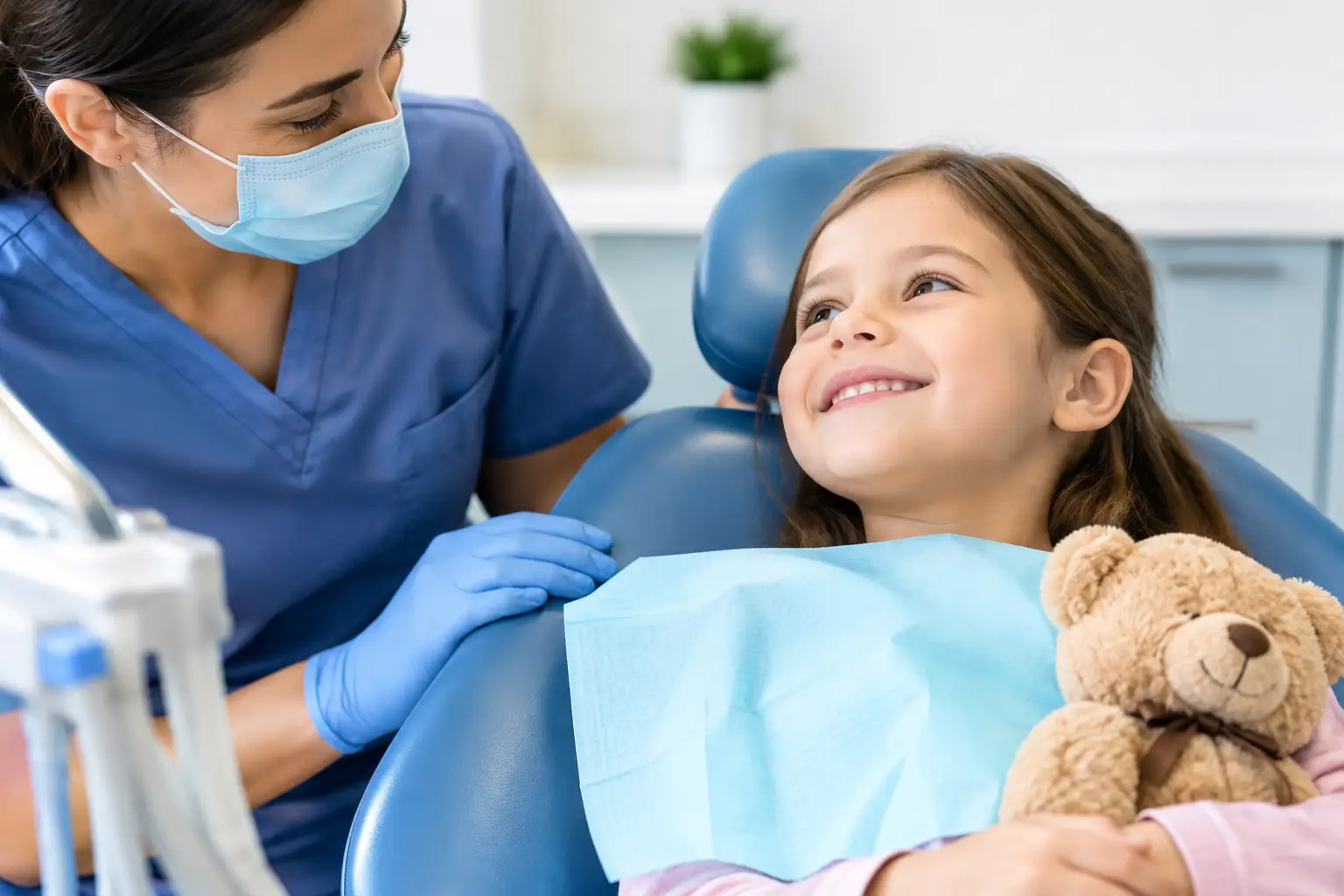
A child who grips the armrest, cries at the sight of a dental chair, or cannot stay still long enough for needed care is not being difficult. They are communicating that the experience feels too big. Pediatric dental sedation can be a helpful part of compassionate care when anxiety, age, sensory needs, or the complexity of treatment makes a routine visit feel overwhelming.
At Ashar Dentistry, the goal is never simply to get through an appointment. It is to help children feel protected, understood, and successful at the dentist while completing care safely and efficiently. Sedation is one option in that process, not an automatic answer for every child or every procedure.
What Is Pediatric Dental Sedation?
Pediatric dental sedation uses carefully selected medication or inhaled gas to reduce fear, discomfort, or movement during dental treatment. It does not replace local anesthetic when local anesthetic is needed. Instead, it helps a child relax so the dental team can provide treatment with greater comfort and focus.
The right approach depends on the child, the procedure, and the clinical setting. A short filling for a calm older child may only require encouragement, a gentle explanation, and local anesthetic. A very young child with several cavities, intense anxiety, a strong gag reflex, or difficulty remaining still may benefit from additional support.
Sedation should always begin with an individualized conversation. Parents deserve a clear explanation of why it is being considered, what the child may experience, how safety is managed, and whether another setting or provider would be more appropriate for the recommended level of care.
When Sedation May Be Considered
Many children do well with a patient, kid-friendly approach alone. Other children need more help to have a safe, positive visit. Pediatric dental sedation may be considered when a child has significant dental fear, is too young to cooperate for necessary treatment, has a sensitive gag reflex, needs multiple procedures, or has physical, developmental, or sensory needs that make a traditional visit especially challenging.
Urgent dental needs can also change the conversation. A child with pain, swelling, infection, or a broken tooth may have trouble tolerating treatment even if they are usually comfortable at the dentist. In those moments, reducing distress can make it possible to address the problem before it becomes more serious.
That said, sedation is not always the best choice. If treatment can be completed comfortably with behavior guidance, breaks, numbing medication, and a calm pace, those options may be preferable. The decision should balance the benefits of completing needed care with the child’s health history, emotional needs, and the extent of treatment.
Common Types of Sedation for Children
Parents often use the word “sedation” to describe several different experiences. Understanding the difference can make the treatment plan feel much less intimidating.
Nitrous oxide
Nitrous oxide, sometimes called laughing gas, is breathed through a small mask over the nose. It can help a child feel more relaxed while remaining awake and able to respond to the dental team. The effects wear off quickly once the mask is removed, which is one reason it is commonly used for mild anxiety and shorter procedures.
Some children do not like the feeling of the mask or are too congested to breathe comfortably through their nose. It may also not provide enough support for a child with severe fear or extensive treatment needs.
Oral sedation
Oral sedation involves medicine taken by mouth before or at the appointment, depending on the treatment plan. It can produce a deeper level of relaxation than nitrous oxide alone, though children may still be awake and may have limited memory of the visit afterward.
Because individual responses can vary, careful screening, dosing, monitoring, and parent instructions are essential. Your child may be sleepy after the appointment, so the rest of the day should be kept quiet and closely supervised.
Deeper sedation or general anesthesia
For extensive treatment, very young children, certain medical or developmental needs, or children who cannot safely cooperate for care, deeper sedation or general anesthesia may be recommended. This type of care requires the appropriate clinical setting and qualified anesthesia professionals.
A recommendation for a different setting is not a failure or an inconvenience to brush aside. It can be the safest way to complete complex treatment thoroughly while protecting the child’s well-being. A trusted dental team will explain the reason clearly and help parents understand the next step.
Safety Starts Before the Appointment
A safe sedation visit is built well before a child sits in the dental chair. The dental team should review your child’s medical history, medications, allergies, previous reactions to anesthesia or sedation, sleep concerns, and current health. Be sure to mention asthma, snoring or sleep apnea, heart conditions, developmental diagnoses, recent illness, and any changes since the last visit.
Your child will also receive instructions about food and drinks before the appointment. Follow these directions exactly. Fasting requirements vary by the type of sedation, and eating or drinking when instructed not to can create safety concerns that may require the visit to be rescheduled.
During treatment, trained professionals monitor the child closely and use age-appropriate safety protocols. Parents should feel comfortable asking who will be present, what monitoring will be used, what level of sedation is planned, and what recovery will look like. Clear answers are part of quality care.
How Parents Can Help Their Child Prepare
Children often take emotional cues from the adults around them. You do not need to promise that every part of treatment will feel easy. A more helpful message is simple and honest: the dentist is going to help their tooth feel better, and the team will stay with them the whole time.
Avoid using frightening words such as “shot,” “drill,” or “pain” before the visit. The dental team can explain treatment in child-friendly language at the right moment. If your child has a favorite stuffed animal, blanket, or small comfort item, ask whether they can bring it along.
On the day of the appointment, arrive with enough time to settle in rather than rushing through the door. Dress your child in comfortable clothing, follow all eating and drinking instructions, and plan for a calm ride home. If oral sedation or deeper sedation is used, an adult should stay with the child afterward and follow the post-treatment guidance provided by the dental team.
Questions Worth Asking at the Consultation
A consultation is the right place to talk through your concerns, especially if your child has had a difficult dental or medical experience before. Ask why sedation is recommended, what alternatives are available, and what level of sedation is being proposed. It is also reasonable to ask about the team’s training, monitoring procedures, fasting rules, recovery expectations, and when your child can return to school, sports, and regular meals.
Be direct about what worries you most. Some parents are concerned about safety, while others worry that sedation will make their child fearful of future visits. In many cases, a thoughtfully planned experience can do the opposite: it can prevent a frightening procedure from becoming the child’s lasting impression of dental care.
Building Better Dental Experiences Over Time
Sedation can help a child receive the care they need today, but long-term comfort is built through positive, consistent visits. Once urgent treatment is complete, preventive appointments, fluoride care when appropriate, home hygiene coaching, and early attention to small concerns can reduce the likelihood of more involved treatment later.
For families in McKinney and nearby North Dallas communities, a calm conversation can be the first step toward changing a child’s relationship with dental care. When parents understand the options and children feel supported, the dental chair can become a place where problems are solved gently, not a place they learn to fear.
This article is general dental-health information from Ashar Dentistry in McKinney, TX and is not a substitute for an exam or personalised advice. Questions about your own teeth? Call us or book a visit.