
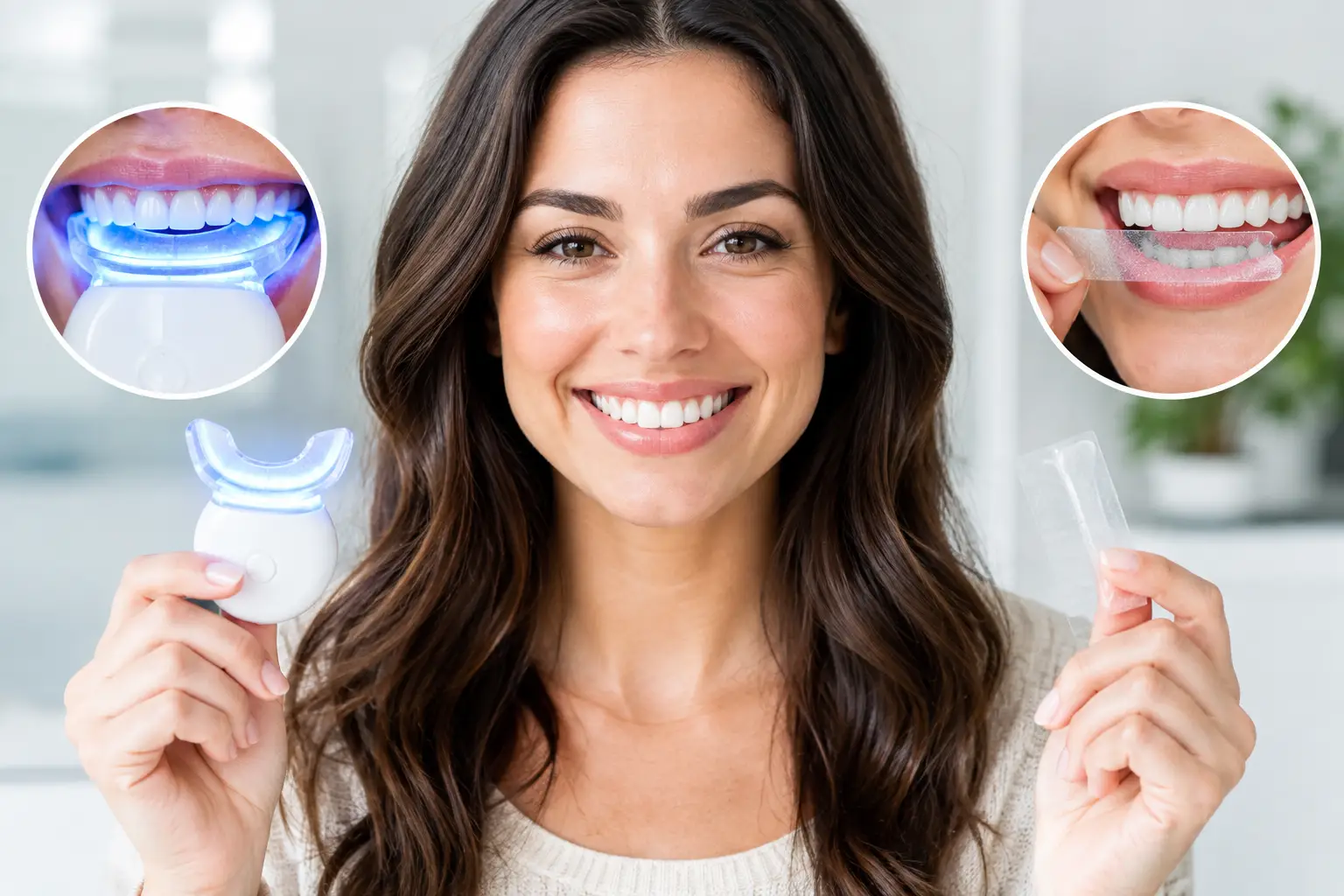
A brighter smile can make a noticeable difference before a wedding, a job interview, or simply when you catch your reflection in the mirror. But when comparing professional whitening versus strips, the real question is not which option is advertised more often. It is which approach fits your teeth, your timeline, and your comfort level.
Whitening strips can be convenient and affordable, especially for mild surface staining. Professional whitening offers more personalized care, stronger treatment options, and closer attention to issues such as sensitivity, gum health, and existing dental work. Neither choice is automatically right for everyone, but knowing the differences can help you move forward with confidence.
Professional Whitening Versus Strips: The Main Difference
Both professional whitening and over-the-counter strips use peroxide-based ingredients to break apart stain molecules within tooth enamel. The difference is in the formula, application, fit, supervision, and ability to tailor treatment to your smile.
Whitening strips are pre-shaped adhesive strips that you place over the front surfaces of your teeth. They are readily available, simple to use at home, and generally designed for gradual results over several days or weeks. Because they come in a standard shape and strength, however, they cannot account for the unique contours of your smile, gumline, or history of sensitivity.
Professional whitening begins with a dental evaluation. Your dentist can determine whether discoloration is caused by everyday staining, aging, medication, tooth trauma, or a concern that needs treatment before whitening. Depending on your needs, professional care may involve an in-office whitening treatment, custom take-home trays, or a combination of both.
Why Fit and Supervision Matter
A whitening strip has to work for many different smiles. That convenience comes with limits. Strips may not lie evenly across crowded, rotated, or uneven teeth, which can leave some areas lighter than others. They also tend to focus on the visible front teeth rather than creating a consistently bright result across the entire smile.
Custom whitening trays are made to fit your teeth more closely. This helps keep whitening gel where it belongs and can improve contact with the tooth surface. A more controlled fit may also reduce the chance of gel spreading onto sensitive gum tissue.
Professional supervision matters for another reason: not every dark tooth should be whitened the same way. A single tooth that has turned gray or significantly darker than neighboring teeth may be responding to internal changes rather than coffee or tea stains. Whitening strips will not address the cause, and a dentist can recommend the safest next step.
Whitening Is Not One-Size-Fits-All
At-home strips can be a reasonable option for someone with healthy teeth, mild yellowing, and no significant sensitivity. They are often best viewed as a modest cosmetic refresh rather than a highly customized treatment plan.
Professional whitening is often a better fit for patients who want more noticeable change, have an upcoming event, experience sensitivity, or want guidance before investing time in a whitening routine. It can also be helpful for patients who have tried strips before and were disappointed by uneven results or irritation.
Speed, Strength, and Expected Results
One of the most practical differences is speed. Strips typically require repeated applications, and results can vary based on the product, your starting shade, and how consistently you use them. They can improve mild staining, but the change may be subtle.
In-office professional whitening is designed for patients who want a faster improvement under dental supervision. Custom take-home systems are more gradual, but they still offer the advantage of a professional-strength formula and instructions tailored to your goals. Your dentist can help you choose a target shade that looks bright while still natural for your complexion and smile.
No whitening method can guarantee a perfectly identical result for every person. Teeth respond differently based on enamel thickness, the type of discoloration, and prior dental treatment. Yellow-toned staining often responds well, while gray, brown, or internally discolored teeth may require a different cosmetic approach.
Sensitivity: What Is Normal and What Is Not
Temporary tooth sensitivity is one of the most common side effects of whitening. You may notice a brief zinging sensation, especially when drinking something cold. This can happen with strips and professional treatments alike because peroxide can temporarily irritate the tooth's inner nerve tissue.
The advantage of working with a dentist is that sensitivity can be managed rather than simply tolerated. Treatment can be adjusted by changing the whitening schedule, reducing wear time, using a lower-concentration gel, or recommending products that support sensitivity relief. If you have exposed roots, gum recession, cracked teeth, decay, or untreated cavities, whitening may need to wait until those concerns are addressed.
Gum irritation is also more likely when whitening gel touches soft tissue. Strips that shift or extend over the gumline can cause temporary whitening or soreness of the gums. A properly fitted tray and clear instructions help reduce that risk.
What Whitening Will Not Change
Whitening products only affect natural tooth structure. They do not whiten crowns, veneers, fillings, bonding, bridges, or dental implants. This is an important consideration if you have visible dental work near the front of your smile.
For example, whitening natural teeth may make an older front crown look darker by comparison. That does not mean whitening is a bad choice. It simply means the treatment should be planned carefully, particularly if you are considering replacing a restoration for a better color match later.
Professional guidance is valuable here because it allows your dentist to sequence treatment thoughtfully. Whitening may come before a new crown, veneer, or bonding appointment so the final restoration can be matched to your preferred tooth shade.
Cost and Convenience: A Fair Comparison
Strips have a lower upfront cost and can be purchased without an appointment. For a person with light staining who is comfortable following directions carefully, that accessibility is a real benefit.
Professional whitening costs more because it includes clinical evaluation, customized materials or an in-office procedure, and a treatment plan built around your oral health. For many patients, the value is not only in achieving a brighter result. It is in avoiding wasted products, unnecessary discomfort, and surprises related to cavities, gum inflammation, or mismatched dental work.
Convenience also depends on your lifestyle. Strips may fit a tight budget, but they require consistent at-home application and may not stay in place comfortably. An in-office appointment can deliver an efficient boost for a busy schedule, while custom trays offer the flexibility of whitening at home with professional direction.
How to Choose the Right Option for Your Smile
Start by considering the reason you want whiter teeth. If your smile is healthy and you are hoping to lift mild coffee, tea, or red wine stains, strips may be enough to create a small improvement. Follow the package directions, do not overuse them, and stop if you develop ongoing pain or gum irritation.
If your teeth are sensitive, unevenly colored, heavily stained, or affected by visible restorations, a dental consultation is the more reliable starting point. The same is true if you have not had a recent exam or cleaning. Sometimes teeth look dull because of plaque and tartar buildup, and a professional cleaning can make a meaningful difference before any whitening treatment begins.
At Ashar Dentistry, whitening recommendations are based on your smile, your health history, and the level of change you want to see. There is no pressure to choose the most intensive option. The goal is a treatment plan that feels comfortable, looks natural, and supports the long-term health of your teeth.
A Brighter Smile Should Still Feel Like Your Smile
The best whitening result is not necessarily the brightest shade possible. It is one that looks clean, balanced, and confident while respecting the health of your teeth and gums. Whether you begin with strips or choose professional care, give your smile the same consideration you would give any other personal investment: start with clear information, realistic expectations, and a plan that feels right for you.
If you are unsure where to begin, a dental consultation can turn a shelf-full of whitening choices into a simple, comfortable next step.
This article is general dental-health information from Ashar Dentistry in McKinney, TX and is not a substitute for an exam or personalised advice. Questions about your own teeth? Call us or book a visit.