
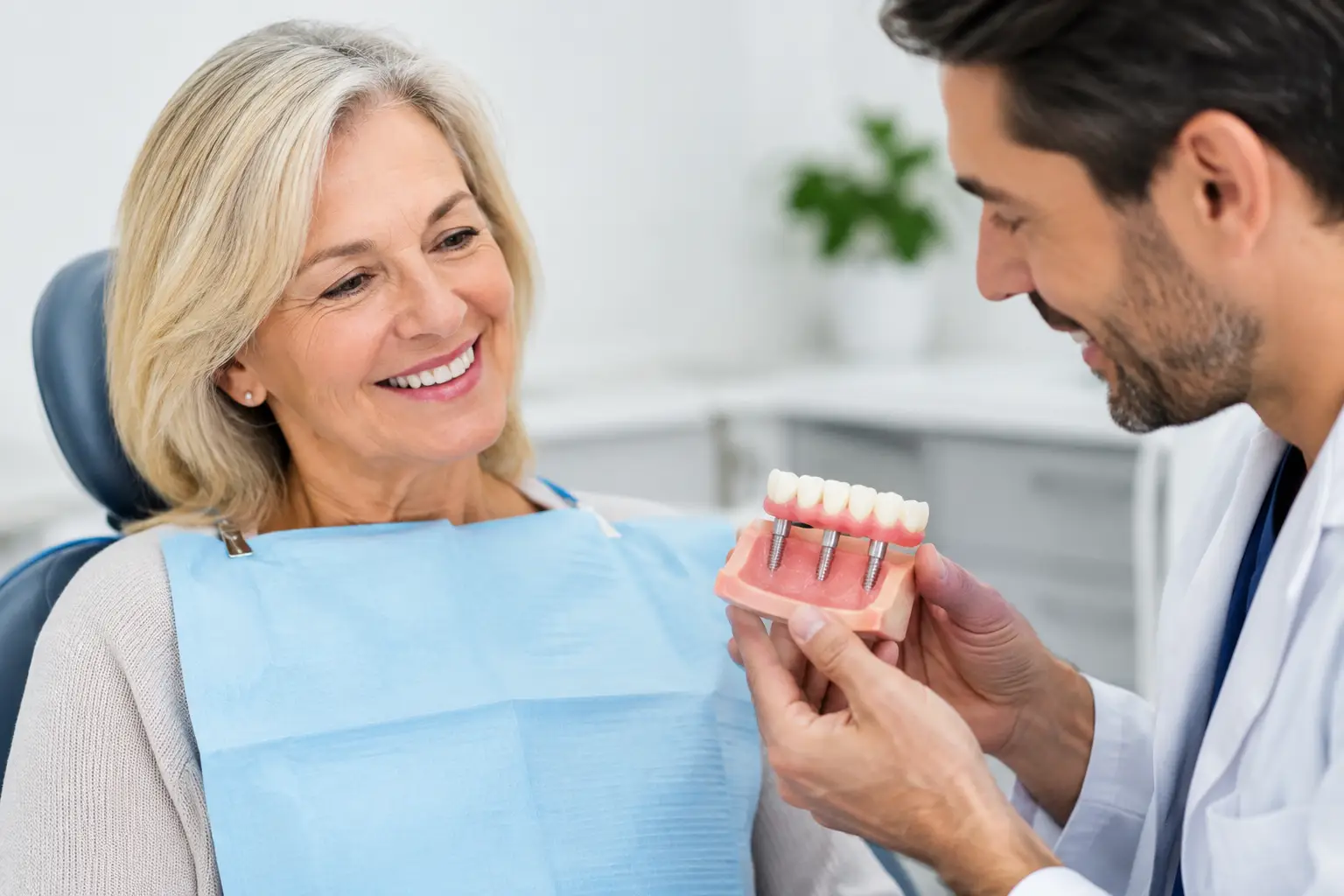
A loose denture can change more than a meal. It can make conversations feel guarded, limit favorite foods, create sore spots, and leave you reaching for adhesive more often than you would like. This implant supported denture review explains why many patients choose this option, what the treatment involves, and the practical questions to ask before deciding whether it fits your needs.
For people who are missing most or all teeth in an arch, implant-supported dentures can provide a more stable, natural-feeling foundation than a traditional removable denture alone. They are not the right answer for every patient, and the best design depends on your bone health, medical history, goals, and budget. A thoughtful consultation should make those choices clear rather than overwhelming.
Implant Supported Denture Review: What Changes Day to Day
An implant-supported denture is a custom replacement for missing teeth that connects to dental implants placed in the jawbone. The implants act as anchors. Depending on the treatment plan, your denture may snap onto attachments and remain removable for cleaning, or it may be fixed in place and removed only by your dental team during maintenance visits.
The biggest difference patients often notice is stability. Because the denture is supported by implants, it is less likely to shift while speaking or chewing. That can make meals more comfortable and help patients feel less self-conscious in social situations. Many also appreciate that implant support can reduce the pressure a conventional lower denture places on the gums.
There is also a long-term health consideration. When teeth are lost, the jawbone no longer receives the stimulation that tooth roots once provided. Dental implants can help preserve bone in the areas where they are placed. They do not stop every age-related change in the face or jaw, but they may help maintain the supporting structure better than a denture resting on the gums alone.
The Main Types of Implant-Supported Dentures
Not all implant dentures work the same way. The two most common paths are removable implant overdentures and fixed full-arch prostheses.
Removable overdentures
A removable overdenture clicks or snaps onto implants. You take it out at night to clean the denture, clean around the attachments, and give the gum tissue a rest. This option can offer a meaningful improvement in stability while typically requiring fewer implants and a lower investment than a fixed design.
For many patients, especially those replacing a lower denture, this is an excellent balance of comfort, function, and cleanability. Attachments and components can wear over time and may need periodic replacement, which is a normal part of maintenance.
Fixed full-arch dentures
A fixed implant-supported denture is secured to several implants and stays in place daily. It can feel closer to having non-removable teeth, which is appealing to patients who do not want to take their teeth out. The restoration is professionally removed at scheduled visits so the implants and the underside of the prosthesis can be evaluated and cleaned thoroughly.
Fixed treatment usually involves a higher initial cost, more complex planning, and a more demanding home-care routine. You will need to clean under the prosthesis with tools recommended by your dentist, such as specialized brushes, flossing aids, or water flossers. Fixed does not mean maintenance-free.
What Treatment Usually Looks Like
The process begins with a consultation, examination, and imaging that allows your dentist to assess bone volume, gum health, bite, and the condition of any remaining teeth. Your medical history matters too. Conditions such as uncontrolled diabetes, heavy smoking, certain medications, and previous radiation therapy may affect healing and require added planning.
If teeth need to be removed, your dentist will discuss whether implants can be placed at the same appointment or whether healing first is safer. Bone grafting may be recommended when there is not enough healthy bone to support implants in the ideal position. Not every patient needs grafting, but avoiding it when it is clinically necessary can compromise the result.
After implant placement, there is a healing period while the bone integrates with the implants. In some cases, a temporary denture can be used during this phase. Once the implants are ready, your final custom denture is designed around your bite, facial support, speech, and smile preferences. The timeline varies widely, particularly when extractions, grafting, or complex bite changes are involved.
A good treatment plan should include clear conversations about each stage, temporary teeth, expected healing, comfort options, and follow-up visits. For patients with dental anxiety, knowing what happens next can make a significant difference. At Ashar Dentistry, care is planned around the person behind the smile, with attention to both clinical needs and comfort throughout the process.
Benefits Worth Considering
The strongest reason to consider implant support is function. A stable denture can improve confidence with speech and make it easier to chew a broader range of foods. It can also reduce movement and friction against the gums, which may lessen the sore spots that frustrate conventional denture wearers.
Aesthetic benefits matter as well. A well-designed denture supports the lips and cheeks while creating a natural-looking tooth display. However, implant placement and prosthetic design must be planned together. The goal is not simply to place implants, but to create teeth that look balanced, feel comfortable, and work with your facial features.
For many people, the emotional benefit is just as meaningful. Replacing failing or missing teeth can make it easier to smile freely, attend events, and focus less on what might happen when eating or talking.
Trade-Offs to Understand Before You Commit
Implant-supported dentures require surgery, healing time, and a financial commitment. While implants have a strong record of long-term success, they are not immune to complications. Infection around implants, often called peri-implant disease, can develop when plaque is not controlled or when risk factors such as smoking are present. Regular professional care and daily cleaning are essential.
Cost varies based on the number of implants, the type of restoration, extractions, bone grafting, sedation needs, temporary teeth, and materials used. A lower overdenture supported by a small number of implants is different from a fixed upper and lower full-arch reconstruction. Be cautious of one-price advertisements that do not explain what is included in the final restoration, follow-up care, or future maintenance.
It is also wise to ask about repairs. Denture teeth, acrylic, attachments, and screws can eventually need service, even when the implants themselves are healthy. The best plan is one that accounts for both upfront treatment and long-term care.
Who May Be a Good Candidate?
You may be a candidate if you are missing all or most teeth in one or both arches, struggle with loose dentures, or have teeth that cannot be predictably restored. Healthy gums and adequate bone are helpful, but they are not the only factors. Modern imaging and grafting techniques allow many patients who were once told they were not candidates to explore options.
The right candidate is also willing to maintain the result. That means brushing, cleaning around the implants as instructed, attending checkups, and reporting changes such as bleeding, soreness, looseness, or a bite that suddenly feels different. Implants are designed to support your smile for years, but they depend on consistent care.
Questions to Bring to Your Consultation
Ask whether a removable or fixed option better fits your goals, how many implants are recommended and why, whether grafting is needed, and what temporary teeth will look like during healing. You should also understand the total anticipated cost, financing options, expected timeline, home-care requirements, and the maintenance visits your restoration will need over time.
The right decision is rarely about choosing the most expensive option or the fastest one. It is about choosing a stable, healthy solution that fits how you want to eat, speak, smile, and care for your teeth every day. A personal consultation can turn those priorities into a treatment plan you can move forward with confidently.
This article is general dental-health information from Ashar Dentistry in McKinney, TX and is not a substitute for an exam or personalised advice. Questions about your own teeth? Call us or book a visit.