
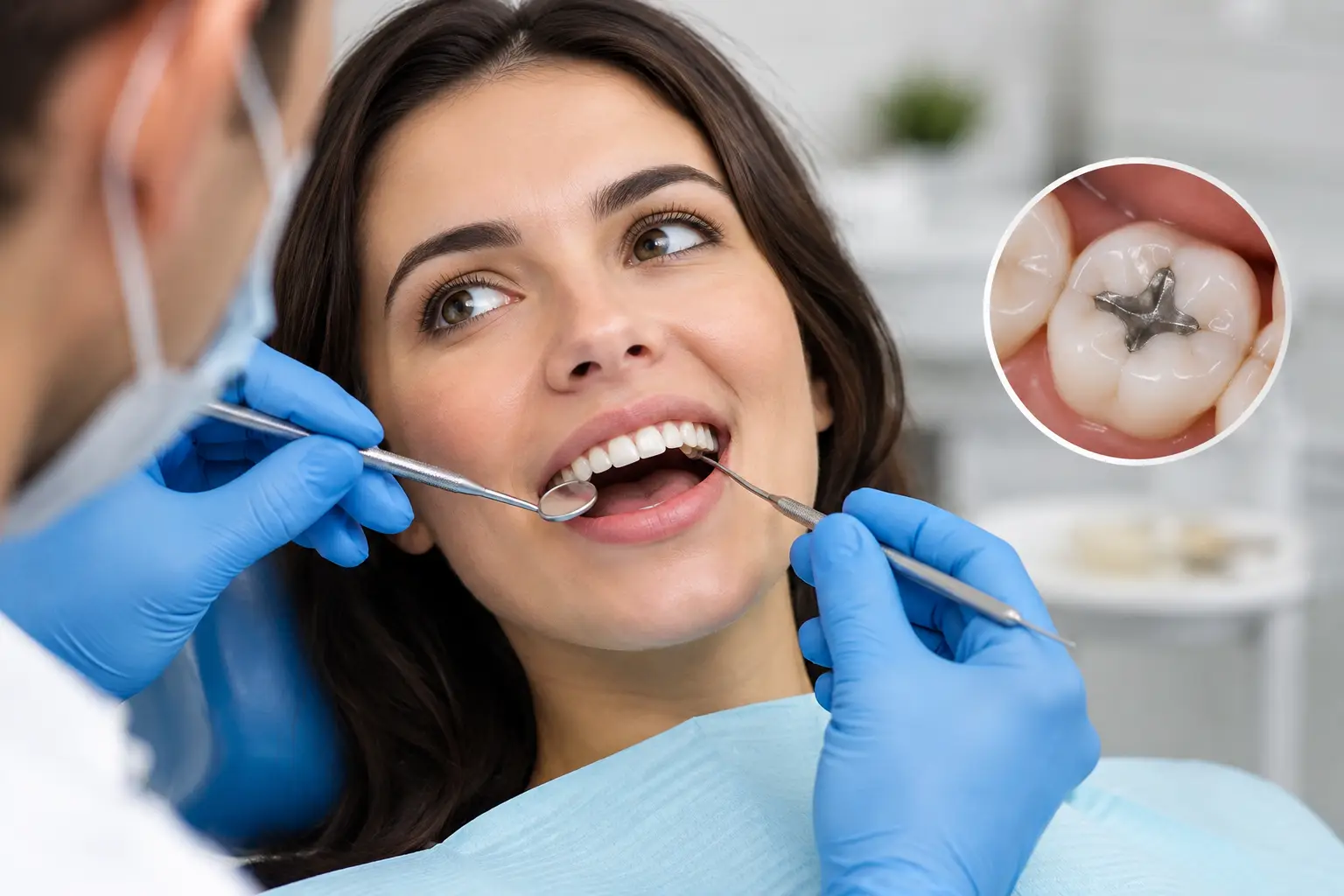
A filling can look fine in the mirror and still be losing its seal around the edges. That is why the question, when should fillings be replaced, is less about how many years the filling has been there and more about what is happening underneath and around it. A timely exam can often catch a small concern before it becomes a painful toothache, a cracked tooth, or a need for more extensive treatment.
At Ashar Dentistry, we look at the whole picture: the filling itself, the tooth structure supporting it, your bite, your symptoms, and the X-rays that reveal what cannot be seen from the surface. The goal is never to replace a restoration simply because it is old. It is to protect as much healthy tooth structure as possible while addressing a problem before it grows.
When Should Fillings Be Replaced?
Dental fillings are designed to restore a tooth after decay or minor damage, but they are not permanent. Everyday forces such as chewing, clenching, temperature changes, and normal wear can gradually affect both the filling material and the tooth around it.
There is no single expiration date. Some composite, or tooth-colored, fillings may last many years, while others need attention sooner because of their size, location, bite pressure, or the health of the tooth. Older amalgam fillings can also function well for a long time, but they may eventually wear, crack, or pull away from the surrounding tooth.
Replacement is generally recommended when a filling no longer protects the tooth reliably. That may happen because decay has formed around its margins, the restoration has fractured, the tooth has cracked, or the filling has become loose or worn down. A dentist can determine whether the tooth needs a new filling, a stronger restoration such as a crown, or simply monitoring.
Signs a Filling May Need Attention
Pain is one possible sign, but it is not the only one. In fact, waiting for severe pain can mean the problem has already progressed. Pay attention to changes that feel new, persistent, or increasingly noticeable.
Sensitivity that lingers
Brief sensitivity after eating something cold can have several causes. But sensitivity that lingers after hot, cold, or sweet foods may point to a leaking filling, decay near the restoration, or irritation inside the tooth. Pain when biting or releasing your bite can also signal a cracked filling or a crack in the tooth itself.
A rough, chipped, or missing edge
Run your tongue over a filling and it may feel smooth one day, then rough or sharp later. That change can mean a small piece has chipped away. If you can see a dark gap, a broken corner, or a portion of the filling missing, schedule an evaluation even if the tooth is not hurting.
Food repeatedly getting stuck
Food catching in the same spot between teeth is often frustrating, but it can also be clinically useful information. A worn filling edge, a broken contact between teeth, or recurrent decay can create a space where food packs in. Left alone, this can irritate the gums and make the tooth harder to keep clean.
Dark lines or discoloration near the filling
A dark line does not automatically mean a filling has failed. Sometimes it is harmless staining, especially around older restorations. Still, discoloration near a filling can also be a sign of leakage or new decay, so it is worth having checked rather than trying to judge it at home.
A change in how your bite feels
A filling that has worn down, cracked, or shifted can make a tooth feel slightly different when you close your teeth together. You may notice that one tooth hits first, that chewing feels uneven, or that you avoid chewing on one side. These changes deserve attention, particularly if you clench or grind your teeth.
What Your Dentist Looks for During an Exam
A filling check is more detailed than a quick glance. Your dentist will examine the restoration for wear, chips, gaps, and changes along the edge where the filling meets the tooth. They will also check whether the tooth has enough healthy structure left to support another filling.
Digital X-rays can be especially helpful because decay often starts between teeth or beneath a restoration, where it cannot be seen directly. Your dentist may also evaluate your gums, bite forces, and neighboring teeth. A filling that keeps breaking may not be a material problem at all. It may be a sign that the tooth needs better protection from heavy bite pressure.
This careful approach helps avoid two extremes: replacing sound fillings unnecessarily or overlooking a small issue until it requires more involved care.
Filling Replacement Is Not Always the Same Treatment
If the affected area is small and the tooth remains strong, replacing the old filling with a new tooth-colored composite filling is often a conservative option. Composite can be closely matched to your natural tooth color and bonded directly to the tooth.
When a filling is very large, the surrounding tooth is cracked, or there is not enough strong enamel remaining, another large filling may not offer the best long-term support. In those cases, an onlay or crown may better protect the tooth from breaking. If decay or a crack has reached the nerve, root canal treatment may be recommended before the tooth is restored.
That may sound like a lot to consider, especially if you have dental anxiety. Clear treatment planning matters. Your dental team should explain what they see, why a recommendation is being made, and what may happen if you choose to wait. You should understand your options without feeling rushed or judged.
Can You Wait to Replace a Filling?
Sometimes, yes. If a filling is intact, there is no decay around it, and you have no symptoms, monitoring it during regular checkups can be appropriate. Replacing every older filling as a routine measure would remove healthy tooth structure without a clear benefit.
However, a known crack, recurrent decay, loose filling, or increasing sensitivity is different. These concerns tend to worsen rather than repair themselves. A small gap can allow bacteria beneath the restoration, where decay may spread quietly. Treating the issue early is often simpler, more comfortable, and more conservative for the tooth.
If a filling falls out, call your dentist promptly. Keep the area clean, avoid chewing on that side, and steer clear of very hot or cold foods if the tooth is sensitive. Do not use household glue to put a filling back in place. A temporary dental repair product may provide short-term coverage in some situations, but it is not a substitute for professional care.
How to Help Fillings Last Longer
Good daily habits protect both your natural teeth and your restorations. Brush twice daily with fluoride toothpaste, clean between your teeth every day, and keep up with preventive visits. Regular exams allow small changes around fillings to be identified before they become emergencies.
If you grind or clench your teeth, especially at night, ask whether a custom night guard could help protect your teeth and dental work. Avoid using teeth to open packages, bite nails, or chew ice. These habits can crack a filling or place excessive stress on a tooth that has already been weakened by decay.
Diet matters as well. Frequent sipping of sugary drinks or repeated snacking gives cavity-causing bacteria more opportunities to produce acid. You do not need a perfect diet to protect your smile, but reducing frequent sugar exposure and drinking water after meals can make a meaningful difference.
A Comfortable Next Step for a Filling Concern
If you are noticing sensitivity, a chipped edge, food trapping, or a filling that simply does not feel right, an exam can give you a clear answer. Modern restorative care is designed to be precise, comfortable, and focused on preserving your natural tooth whenever possible.
A small concern is worth bringing up at your next visit, even if it is not painful. The best time to protect a tooth is often before it gives you a reason to stop and notice it.
This article is general dental-health information from Ashar Dentistry in McKinney, TX and is not a substitute for an exam or personalised advice. Questions about your own teeth? Call us or book a visit.