
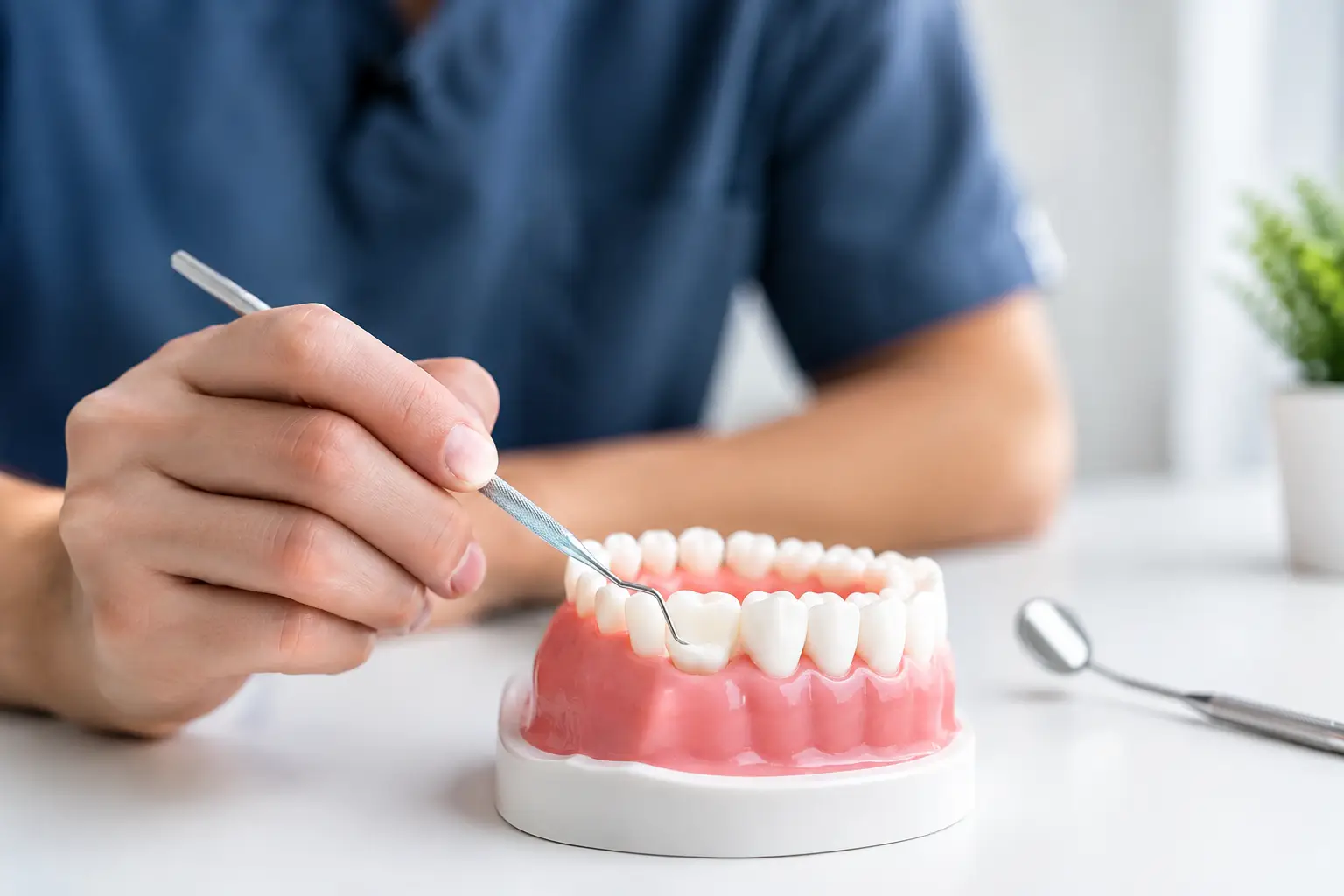
A filling can seem like a small part of your tooth until it cracks, falls out, or suddenly starts hurting when you bite. Then coffee feels sharp, cold water is unbearable, and it is hard to think about much else. Emergency filling repair is designed to protect the tooth quickly, relieve discomfort, and determine whether a new filling is enough or whether the damage reaches deeper.
If a filling has come loose, do not wait for the pain to become severe. A prompt dental visit can often prevent further fracture, bacterial exposure, or the need for more extensive treatment. For patients in McKinney and nearby North Dallas communities, the first goal is simple: get comfortable, get clear answers, and protect your natural tooth.
What Counts as an Emergency Filling Repair?
A dental filling restores an area affected by decay, wear, or a small fracture. Over time, fillings can weaken around the edges, crack under biting pressure, or detach from the tooth. An emergency does not always mean a life-threatening situation, but it does mean the tooth needs timely professional attention.
Common reasons to call for an appointment include a filling that has completely fallen out, a cracked or chipped filling, sharp edges cutting your tongue or cheek, new sensitivity to hot, cold, sweets, or pressure, and pain when chewing. A dark gap around an existing filling, food repeatedly catching in one spot, or a filling that feels high or loose also deserves an evaluation.
Sometimes the filling is the problem. Other times, the filling is revealing a deeper issue, such as new decay beneath the restoration, a crack in the tooth, or irritation of the nerve. That distinction matters because covering the spot without diagnosing the cause may only postpone a larger problem.
What to Do Before Your Dental Visit
A lost filling is uncomfortable, but there are practical steps you can take while arranging care. Rinse gently with warm water to remove food particles, then brush carefully around the area. If you can find the filling, save it in a clean container, although it often cannot be reused.
Avoid chewing on that side of your mouth. Hard, sticky, very cold, very hot, or sugary foods can aggravate sensitivity and place extra pressure on the exposed tooth. Choose softer foods and chew on the opposite side when possible.
Over-the-counter pain medication may help when used exactly as directed on the label, provided it is safe for you to take. A cold compress on the outside of the cheek can reduce swelling or soreness. If a rough edge is irritating your cheek or tongue, dental wax can provide short-term coverage.
Do not use household glue, nail adhesive, or any material not intended for use in the mouth. These products can damage soft tissue, trap bacteria, or make treatment more difficult. Pharmacy temporary filling kits may offer very short-term protection if you cannot be seen immediately, but they are not a substitute for an examination and permanent care.
When Pain Means You Should Be Seen Faster
Call promptly if pain is worsening, persistent, or waking you at night. Swelling of the gum, face, or jaw, a fever, drainage or a bad taste, and difficulty opening your mouth can signal infection and should be addressed urgently. If swelling affects breathing or swallowing, seek emergency medical care immediately.
A knocked-out or broken tooth, uncontrolled bleeding, or a facial injury also requires urgent attention. Even when the tooth looks mostly intact, trauma can create cracks that are not visible without a careful exam and imaging.
How a Dentist Decides Between a New Filling and Other Treatment
Emergency filling repair begins with listening to what changed: when the discomfort started, what triggers it, and whether you felt a sharp bite or noticed a piece of the tooth break away. Your dentist will examine the tooth, surrounding gums, and bite. Digital X-rays may be used to look for decay beneath the filling, damage between teeth, or changes near the tooth root.
When the remaining tooth structure is healthy and the cavity is limited, the old filling can often be removed, the tooth cleaned, and a new tooth-colored composite filling placed. Composite materials can be shaped and polished to blend naturally with your smile while restoring normal function.
The right repair depends on how much healthy tooth remains. A small broken edge may need only a filling or bonding. A larger fracture, a very large old filling, or a tooth weakened by repeated repairs may be better protected with an onlay or crown. These options cover more of the biting surface and can reduce the risk of the tooth splitting under pressure.
If decay or a crack has reached the pulp, the soft tissue inside the tooth, a root canal may be the most conservative way to relieve pain and save it. The tooth is then commonly restored with a crown for lasting strength. If a tooth cannot be predictably saved, your dentist can explain replacement options clearly, including bridges, dentures, or dental implants.
This is why a same-day patch is not always the complete answer. The most appropriate treatment should address both comfort now and the long-term stability of the tooth.
What the Appointment Usually Feels Like
Dental emergencies can feel especially stressful if you already have anxiety about treatment. A thoughtful appointment should not leave you guessing what is happening. Your care team should explain the findings, review the recommended options, discuss expected timing and costs, and answer questions before treatment begins.
For most filling repairs, local anesthetic thoroughly numbs the tooth and surrounding tissue. The damaged filling or decay is removed, the area is cleaned and prepared, and the new material is placed in layers. Your dentist shapes the filling to fit your bite, then checks that it feels comfortable when you close your teeth together.
You may have mild sensitivity for a few days, particularly if the repaired area was deep or close to the nerve. That sensitivity should gradually improve, not intensify. If your bite feels uneven, you feel a sharp point, or pain continues beyond a few days, contact the office. A small bite adjustment can make a significant difference.
At Ashar Dentistry, emergency visits are approached with the same personalized attention as planned care. The focus is not simply to place a restoration, but to understand why it failed, make the experience manageable, and help you choose a repair that supports your future oral health.
Can You Prevent Another Filling Emergency?
No filling lasts forever, especially on teeth that handle heavy chewing forces. Still, many emergency repairs can be reduced with consistent preventive care. Regular exams allow your dentist to spot worn margins, early decay, and small cracks before they turn into painful surprises. Professional cleanings also remove plaque from areas around fillings that are difficult to clean at home.
Daily brushing with fluoride toothpaste and cleaning between teeth are essential because decay often begins at the edge of an older filling. If you grind or clench, a custom nightguard may help protect fillings, natural enamel, and crowns from repeated pressure. Avoid using your teeth to open packages, crack nuts, or chew ice, even if the teeth have never caused trouble before.
If you have several old metal or composite fillings, there is no need to replace them solely because of age. The better approach is to monitor them and replace only those that are leaking, cracked, decayed, or no longer supporting the tooth well. Dentistry should be proactive, but it should also be precise.
A broken or painful filling rarely improves on its own. Calling early gives you more treatment options, often with less discomfort and less expense than waiting for a small opening to become a deeper dental problem. Your next step can be simple: schedule an evaluation, explain what you are feeling, and let a caring dental team help you protect the tooth you still have.
This article is general dental-health information from Ashar Dentistry in McKinney, TX and is not a substitute for an exam or personalised advice. Questions about your own teeth? Call us or book a visit.