
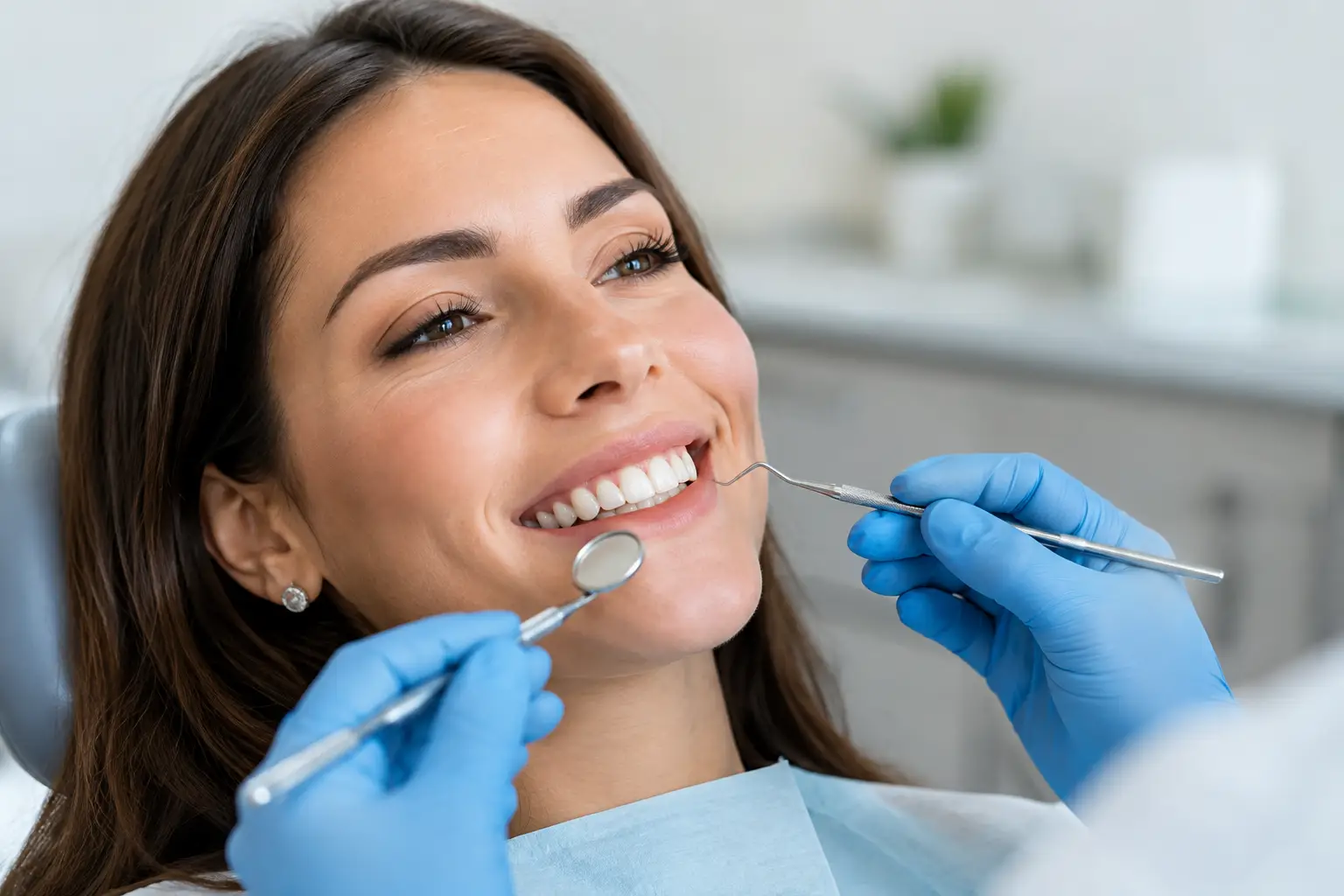
A small chip can change the way you smile in photos. A narrow gap or uneven tooth edge can draw your eye every time you look in the mirror, even when the rest of your teeth are healthy. Cosmetic bonding is a conservative way to address these details, often in a single appointment, using tooth-colored composite resin shaped directly on the tooth.
For many patients in McKinney and the surrounding North Dallas communities, bonding offers a meaningful improvement without removing much natural tooth structure. The right choice still depends on the condition of your teeth, your bite, and the result you want. A personalized consultation helps determine whether bonding will give you the natural-looking, lasting outcome you deserve.
What Is Cosmetic Bonding?
Cosmetic bonding, also called dental bonding, uses a durable composite resin to improve the appearance of a tooth. Your dentist selects a shade that blends with your surrounding enamel, gently prepares the surface, applies the resin, and carefully sculpts it into the desired shape. A curing light hardens the material, then the restoration is polished so it reflects light more naturally.
The result can be subtle or transformative. Bonding may smooth a chipped front tooth, lengthen a worn edge, close a small space, cover a minor discoloration, or make teeth look more balanced in size and shape. It is especially useful when the concern is localized to one or several teeth rather than the entire smile.
Because composite is added directly to the tooth, bonding is generally more conservative than a veneer or crown. In many cases, little to no enamel needs to be removed. That can be reassuring for patients who want an aesthetic change but prefer to preserve as much healthy tooth structure as possible.
When Cosmetic Bonding May Be a Good Fit
Bonding is not a one-size-fits-all cosmetic treatment, but it can be an excellent option for patients with modest aesthetic concerns. It is commonly considered for small chips caused by biting something hard, uneven edges from natural wear, minor gaps, and teeth that appear slightly too short or narrow compared with neighboring teeth.
It can also be helpful after orthodontic treatment. Once teeth have been aligned with clear aligners, small differences in tooth shape may become more noticeable. A little bonding can refine the final look without changing the position of the teeth.
The condition of your bite matters. If you clench or grind your teeth, bite directly edge-to-edge, or regularly use your front teeth to open packages, bonded edges may be more likely to chip. That does not always rule out treatment. Your dentist may recommend a custom night guard, adjust the design, or discuss a more durable alternative depending on where the restoration will be placed.
Bonding is also best performed on teeth that are healthy and stable. Cavities, active gum disease, significant cracks, and untreated bite problems should be addressed first. Cosmetic care looks its best and lasts longer when it is built on a healthy foundation.
What to Expect at Your Bonding Appointment
The process begins with a conversation about what you see when you smile and what you would like to change. Some patients want an imperfection softened, not erased. Others want a more polished, symmetrical smile. Clear communication matters because the most beautiful results should still look like they belong to you.
Your dentist will examine the tooth, surrounding enamel, gums, and bite. If bonding is appropriate, shade selection is typically done before the tooth dries out, helping the resin blend more naturally. Professional whitening may be recommended first if you are considering brightening your overall smile, since bonded material will not whiten after it has been placed.
For most simple cases, anesthesia is not needed. The tooth surface is prepared with a conditioning material, and the composite resin is placed in small layers. Each layer is shaped and hardened with a curing light. The final step is refining the contours and polishing the restoration so it feels comfortable when you bite and looks smooth alongside your natural enamel.
Many bonding visits take about 30 to 60 minutes per tooth, although timing varies based on the number of teeth and the complexity of the changes. You can usually return to your routine right away. If anesthesia was used, wait until numbness has worn off before eating so you do not accidentally bite your lip or cheek.
How Long Does Dental Bonding Last?
With good care, cosmetic bonding can last several years. A realistic range is often five to 10 years, though longevity varies widely based on the location of the bonding, the size of the repair, your bite, and daily habits. A small repair in a low-pressure area may last longer than bonding placed on the biting edge of a front tooth.
Composite resin is durable, but it is not as strong as natural enamel or porcelain. It can chip, stain, or wear over time. The good news is that bonding is often repairable. If a small area chips, your dentist may be able to add or reshape composite rather than replace the entire restoration.
To protect your investment, avoid chewing ice, pens, fingernails, and hard candy. Use scissors rather than your teeth to open packages. If you grind at night, wearing a custom night guard is one of the best ways to reduce stress on both your natural teeth and cosmetic work.
Coffee, tea, red wine, tobacco, and strongly colored foods can gradually stain composite, especially if you enjoy them frequently. Regular cleanings and thoughtful home care help preserve its polish. If the color changes over time, polishing or replacement may be considered depending on the condition of the resin.
Bonding, Veneers, and Crowns: Understanding the Difference
Bonding is often the most conservative choice for small cosmetic changes. It is placed directly on the tooth and can usually be completed quickly. It may be a sensible first step for patients who want to improve a chipped edge, minor gap, or uneven contour without committing to a more extensive restoration.
Porcelain veneers are thin custom shells that cover the front surface of a tooth. They can offer greater stain resistance and may be more suitable for broader changes involving multiple teeth, more substantial discoloration, or more significant shape concerns. Veneers typically require some enamel preparation and involve a larger financial commitment.
Crowns cover the entire visible portion of a tooth. They are generally recommended when a tooth needs structural protection after extensive decay, a fracture, a large filling, or root canal treatment. A crown can be highly aesthetic, but it is not usually the first choice for a healthy tooth with a small cosmetic flaw.
There is no universally best option. The best treatment is the one that matches your oral health, functional needs, timeline, and aesthetic goals. A careful examination prevents the common mistake of choosing a cosmetic solution based only on a photo or a quick online comparison.
Caring for Your Newly Bonded Smile
Daily care is simple: brush twice a day with a nonabrasive toothpaste, floss consistently, and keep regular dental visits. A soft-bristled toothbrush and gentle technique help protect both enamel and composite. If you notice a rough edge, a change in the way your teeth meet, or a visible chip, schedule an appointment rather than trying to smooth it yourself.
At Ashar Dentistry, cosmetic care is planned around the whole picture - not just a single tooth. Your appointment includes time to discuss your concerns, understand the available options, and make a decision at a pace that feels comfortable. For patients who feel nervous about dental treatment, a calm, clearly explained approach can make even a simple cosmetic procedure feel much more manageable.
A refined smile does not have to mean a dramatic change. Sometimes the most satisfying result is simply being able to laugh, speak, and show your teeth without giving that one small imperfection a second thought.
This article is general dental-health information from Ashar Dentistry in McKinney, TX and is not a substitute for an exam or personalised advice. Questions about your own teeth? Call us or book a visit.