
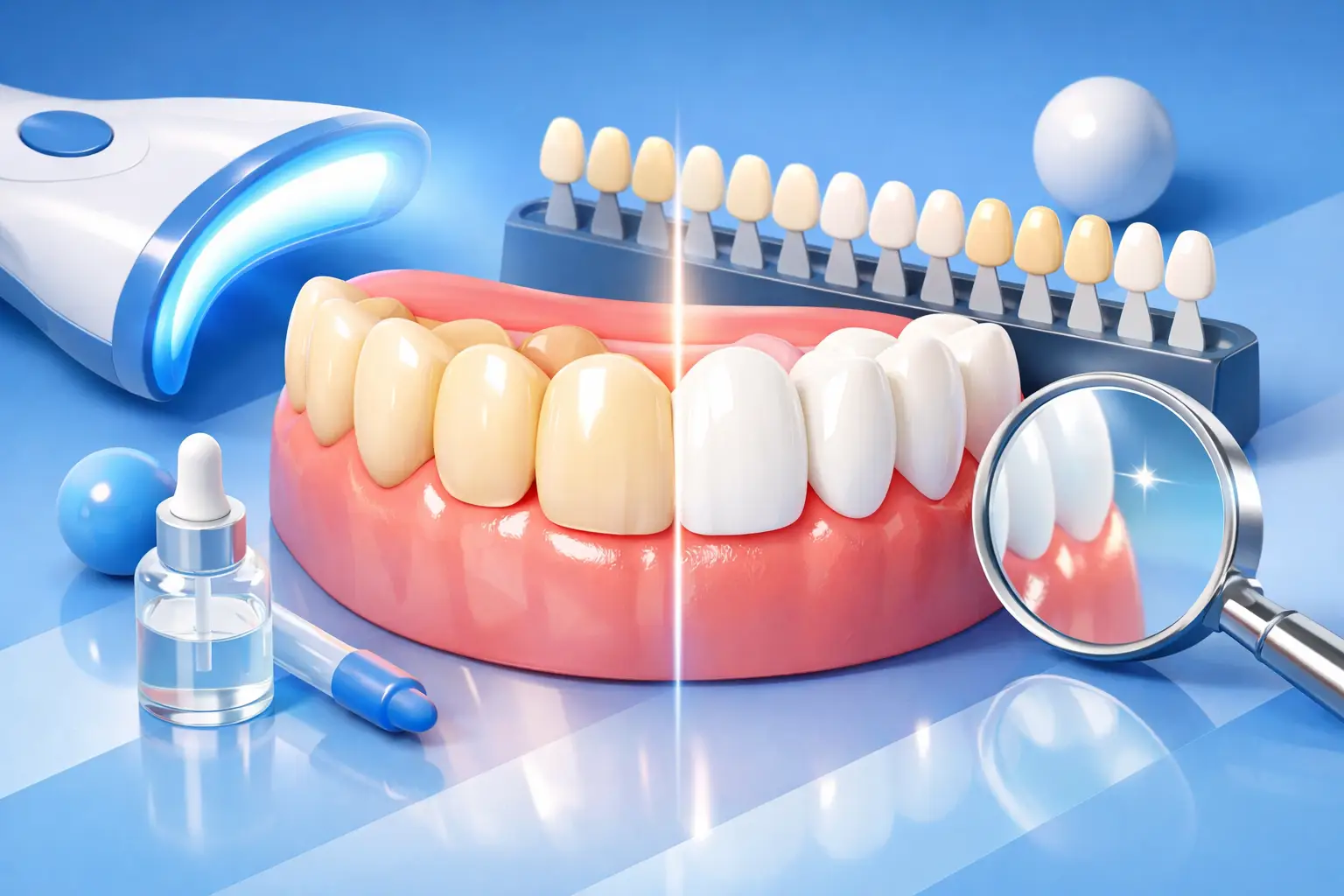
A brighter smile can change the way you feel before a photo, a meeting, or a long-overdue dinner with friends. But the best professional teeth whitening results are not about achieving an artificial, paper-white shade. They are about creating a noticeably fresher, more even smile while protecting your comfort, enamel, and natural appearance.
At Ashar Dentistry, whitening begins with listening. Your dentist looks at the source of discoloration, the condition of your teeth and gums, and the shade that will look believable for your features. That personal approach matters because whitening is not one-size-fits-all, especially when sensitivity, existing dental work, or long-standing stains are involved.
What Professional Teeth Whitening Results Can Look Like
Professional whitening can lighten many common surface and deeper stains caused by coffee, tea, red wine, tobacco, dark berries, and natural aging. Many patients see a meaningful change in just one appointment or after a prescribed at-home process, but the number of shades varies from person to person.
Your starting shade, the type of staining, enamel thickness, and the whitening method all affect the outcome. Yellow-toned stains often respond very well. Gray or brown discoloration can be more complex, particularly if it is connected to certain medications, trauma to a tooth, or changes within the tooth itself. In those cases, whitening may still improve the smile, but veneers, bonding, or crowns could be a better fit for the final look you want.
A professional plan aims for a clean, bright result that still suits you. The goal is not to make every smile look identical. A shade that looks excellent on one person may feel too bright or too cool-toned on another.
Why a Dental Evaluation Comes Before Whitening
Whitening products are designed for healthy teeth and gums. Before beginning treatment, your dental team should check for cavities, gum inflammation, cracked teeth, exposed roots, and worn enamel. Whitening over untreated decay or irritated gum tissue can cause unnecessary discomfort and may delay the results you are hoping for.
This visit also helps identify restorations that will not whiten. Crowns, veneers, bonding, fillings, bridges, and implants keep their existing color even when surrounding natural teeth become lighter. If a front crown is darker than your desired new tooth shade, your dentist can help you plan the timing of whitening and any replacement work so the colors blend naturally.
For patients with dental anxiety, this is also an opportunity to ask questions without pressure. You deserve to understand what treatment involves, what you may feel, and what is realistic before moving forward.
Whitening Is Not a Substitute for a Cleaning
Professional cleaning and whitening serve different purposes. A cleaning removes plaque, tartar, and surface buildup that can make teeth look dull. Whitening changes the color of natural tooth structure using carefully selected bleaching agents.
Sometimes a cleaning alone reveals a brighter smile than expected. Other times, removing buildup first allows whitening gel to contact the tooth surfaces more evenly. Your dentist can recommend the right sequence based on your oral health and cosmetic goals.
In-Office Whitening vs. Custom Take-Home Whitening
Both professional options can create excellent results, but they fit different schedules and preferences.
In-office whitening is often appealing when you want a faster visible change for an upcoming event, professional photo session, wedding, or vacation. The dental team applies and monitors the whitening product during your appointment, helping protect your gums and manage your comfort. While this option can produce a dramatic improvement quickly, it may not be the best choice for every patient, especially those with significant sensitivity.
Custom take-home whitening uses trays made to fit your teeth closely. This helps keep the gel where it belongs and offers a more controlled, gradual approach over a period recommended by your dentist. Many patients appreciate being able to whiten on their own schedule while still using professional-strength materials and receiving guidance from a dental team.
Neither option is automatically better. If convenience and speed are your priority, in-office treatment may make sense. If you prefer a slower adjustment or want more flexibility around sensitivity, custom trays can be an excellent choice. Some patients benefit from a combination approach designed around their desired shade and timeline.
How Long Do Results Last?
Professional teeth whitening results can last months to several years, but maintenance is part of the picture. Teeth are exposed to pigments every day, and gradual darkening is normal. Coffee during a morning commute, tea at the office, red wine with dinner, and tobacco use can all bring stains back sooner.
Your habits, oral hygiene, and original tooth color influence how quickly this happens. Brushing twice daily with fluoride toothpaste, flossing regularly, staying current with cleanings, and rinsing with water after deeply colored foods or drinks can help preserve brightness. Using a straw for iced coffee or other dark beverages may also reduce contact with front teeth.
Many people choose a periodic touch-up rather than waiting until their teeth return to their original shade. With professional guidance, touch-ups can help you maintain a consistent result without overusing whitening products.
Be Careful With Over-the-Counter Products
Store-bought strips, gels, and whitening toothpastes can be useful for mild surface stains, but they do not offer the same customization or oversight. Ill-fitting trays can allow gel to reach the gums, and frequent use of strong products can lead to sensitivity or uneven color. Whitening toothpastes may lift some surface stains, yet they generally do not create the same shade change as peroxide-based professional treatment.
More product does not mean better results. Following the recommended timing and amount is one of the best ways to protect your teeth while getting an even outcome.
Managing Sensitivity During Treatment
Temporary tooth sensitivity is one of the most common concerns with whitening. It may feel like a quick zing with cold food or air, or a general tenderness that fades after treatment. Sensitivity is usually temporary, but it should never be dismissed.
Your dentist can adjust the plan by changing the strength of the whitening material, shortening wear time, spacing treatment sessions farther apart, or recommending sensitivity-focused products. People with gum recession, exposed root surfaces, enamel wear, cracks, or a history of sensitivity may need a more gradual approach.
Let your dental team know if pain is sharp, persistent, or isolated to one tooth. Whitening sensitivity tends to be generalized and short-lived. Pain in a single tooth may point to a different issue that deserves an examination.
Setting Expectations for a Smile You Will Love
The most satisfying whitening outcome starts with a clear conversation. Bring up the shade you have in mind, any upcoming dates that affect your schedule, and any previous sensitivity from whitening products. Your dentist can show you where whitening is likely to work well and where another cosmetic solution may be needed.
If you have crowns, veneers, or bonding in visible areas, discuss those before treatment rather than after. Planning ahead can prevent a mismatch and make the process more efficient. For patients considering clear aligners, veneers, or a larger smile makeover, whitening may be timed around those treatments for a more polished final result.
A brighter smile should feel like your smile, only refreshed. Schedule a consultation when you are ready to discuss a comfortable, personalized path toward the color and confidence you want.
This article is general dental-health information from Ashar Dentistry in McKinney, TX and is not a substitute for an exam or personalised advice. Questions about your own teeth? Call us or book a visit.