
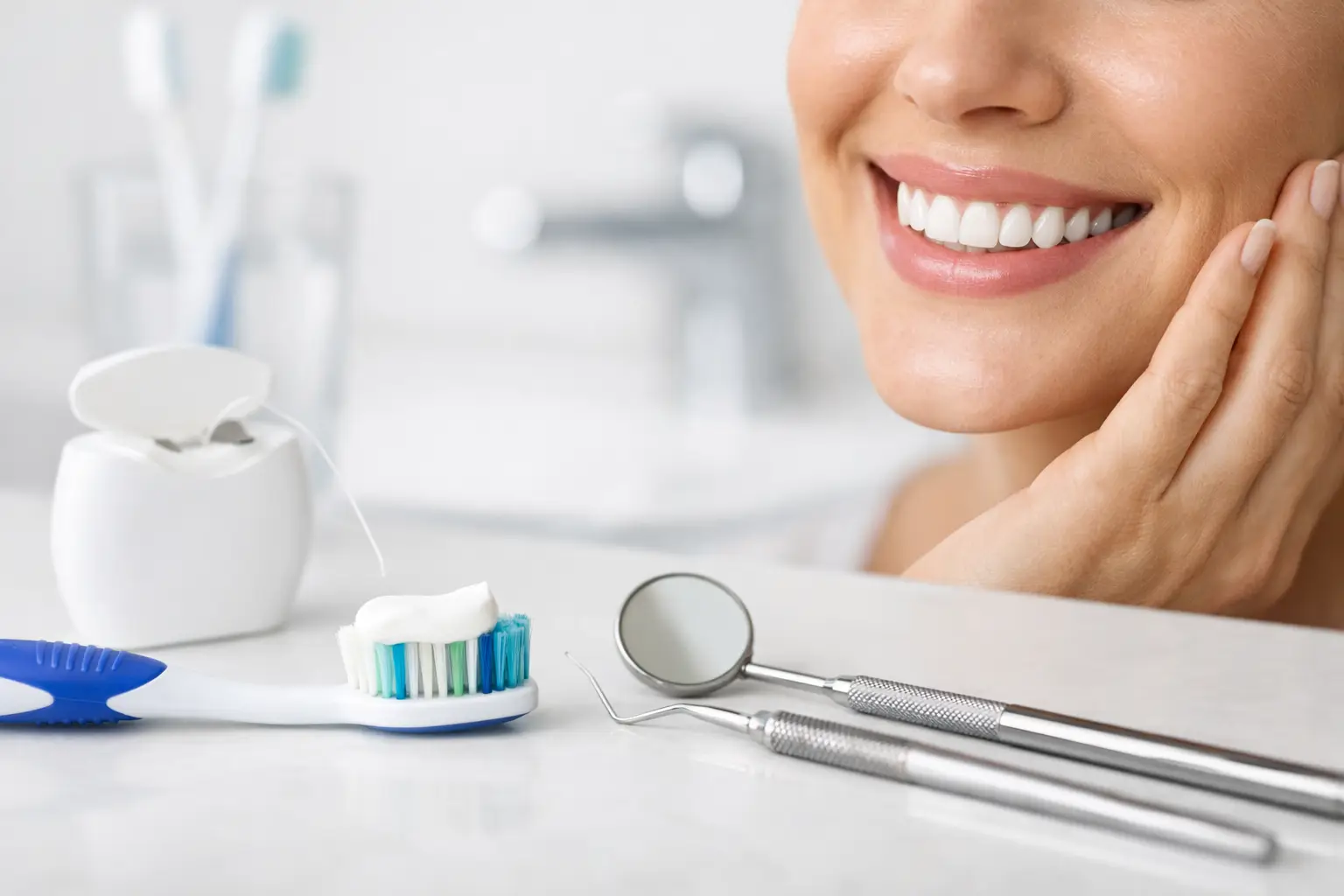
A tooth that only twinges when you drink something cold can be easy to ignore. So can gums that bleed a little during brushing, persistent bad breath, or a filling that feels slightly rough. Yet these small changes often tell an important story about your oral health. Addressing them early can mean a simple adjustment, cleaning, or restoration instead of a painful emergency or more involved treatment later.
A healthy smile is not built during one dental appointment. It comes from the everyday choices you make at home, paired with preventive care that catches concerns before they disrupt your comfort, confidence, or schedule. For families and busy adults across North Dallas, the goal is not perfection. It is consistent care that makes a meaningful difference over time.
Oral Health Starts With Daily Habits
Brushing twice a day with fluoride toothpaste is the foundation of home care, but technique matters as much as timing. Use a soft-bristled toothbrush and gentle, small circular motions along the gumline and every tooth surface. Brushing aggressively does not make teeth cleaner. Over time, it can irritate the gums and contribute to enamel wear or sensitivity.
Spend about two minutes brushing, especially before bed. Saliva naturally helps rinse away food particles and neutralize acids throughout the day, but saliva flow drops while you sleep. Leaving plaque and food residue on teeth overnight gives cavity-causing bacteria more time to produce acid.
Cleaning between teeth once a day is just as important. A toothbrush cannot fully clean the tight areas where teeth meet, which is why cavities and gum inflammation often begin there. Traditional floss works well for many people, while floss picks, water flossers, or small interdental brushes may be easier for children, people with braces, or anyone with limited dexterity. The best option is the one you can use consistently and correctly.
Your tongue deserves attention, too. Bacteria and debris can collect on its surface, contributing to bad breath and a coated feeling in the mouth. Gently brush your tongue or use a tongue scraper as part of your routine.
Food, Drinks, and the Mouth’s Acid Balance
What you eat affects more than your waistline or energy level. Each time you consume sugary or starchy foods, oral bacteria use those carbohydrates to create acids that soften tooth enamel. The concern is not simply whether you eat sweets. It is also how often your teeth are exposed.
Sipping soda, sweet tea, sports drinks, juice, or flavored coffee over several hours keeps the mouth in a repeated acid cycle. Even beverages marketed as healthy can be acidic or contain substantial sugar. Water is the most tooth-friendly drink between meals, and plain sparkling water is generally a better choice than sugary carbonated drinks, though still not ideal for constant sipping.
You do not need to eliminate every treat to care for your smile. It is often more realistic and protective to enjoy sweet foods with a meal rather than grazing throughout the day. Finish with water when possible. Crunchy fruits and vegetables, cheese, nuts, and other balanced snacks can also be easier on teeth than sticky candies, crackers, or frequent dried-fruit snacking.
If you have just had something acidic, such as citrus, soda, or vinegar-based food, wait about 30 minutes before brushing. Acid temporarily softens enamel, and brushing immediately can increase wear. Rinsing with water first is a simple alternative.
Hydration Supports a Healthier Mouth
Dry mouth is more than an inconvenience. Saliva helps protect teeth from decay, supports digestion, and keeps oral tissues comfortable. Certain medications, mouth breathing, medical conditions, dehydration, and aging can reduce saliva flow.
If your mouth often feels dry, wake up thirsty, struggle with bad breath, or notice more cavities than usual, mention it at your dental visit. Drinking water regularly and using sugar-free gum with xylitol may help some people, but ongoing dry mouth deserves individualized guidance. It may require changes to your home routine or additional preventive treatment.
Why Gum Health Deserves Early Attention
Healthy gums should generally look pink or coral-colored, feel firm, and not bleed with normal brushing or flossing. Bleeding is common, but it is not something to accept as normal. It may be an early sign of gingivitis, the reversible inflammation caused by plaque buildup near the gumline.
Without treatment, gum disease can progress below the gums and affect the bone that supports your teeth. At that stage, people may notice persistent bad breath, gum recession, tenderness, loose teeth, or changes in how their bite feels. Some people have few obvious symptoms, which is why regular exams and cleanings are so valuable.
The good news is that early gum inflammation often improves with professional cleaning and more consistent plaque removal at home. More advanced periodontal disease may need deeper cleanings and ongoing maintenance. The right plan depends on your gum measurements, bone health, medical history, and home-care habits, not on a one-size-fits-all schedule.
Preventive Visits Protect More Than Teeth
A routine dental visit is not just a cleaning. It is an opportunity to evaluate your gums, teeth, bite, jaw function, existing restorations, and soft tissues of the mouth. Digital imaging and a careful exam can reveal decay between teeth, infection near a tooth root, cracked restorations, bone changes, and other concerns that are difficult to see or feel at home.
For many patients, preventive visits every six months are appropriate. Others may benefit from more frequent visits because of gum disease, dry mouth, a high cavity risk, pregnancy-related gum changes, diabetes, orthodontic treatment, or a history of extensive dental work. Your dentist can recommend an interval based on your specific needs.
Preventive care also supports long-term affordability. A small cavity may be treated with a filling. If decay progresses, it can reach the nerve and require a root canal and crown. If a tooth cannot be saved, replacing it with a bridge, denture, or dental implant becomes a larger decision. Early care does not guarantee that every dental issue will be simple, but it gives you more options and greater control.
Do Not Wait for Pain to Make the Call
Tooth pain is a clear signal, but it is not the only reason to schedule an appointment. Many dental problems remain quiet until they become more serious. Contact a dental office if you notice sensitivity that lingers, swelling, a broken tooth, a lost filling or crown, bleeding gums, a sore that does not heal, changes in your bite, or discomfort when chewing.
A knocked-out, severely broken, or intensely painful tooth needs prompt attention. In a dental emergency, acting quickly can improve the chance of saving a tooth and relieving discomfort. If a permanent tooth is knocked out, handle it by the crown rather than the root, gently rinse it if dirty, and seek urgent dental care. Do not delay because you are unsure whether the problem is serious enough.
Dental anxiety can make even a minor concern feel overwhelming. You are not alone if prior experiences, fear of discomfort, embarrassment, or uncertainty have kept you from scheduling. A patient-centered practice should explain what it sees, discuss your options clearly, and help you move at a pace that feels manageable. The first appointment can simply be a conversation and examination, followed by a treatment plan you understand.
Oral Health Changes Through Every Life Stage
Children benefit from early, positive visits that make dental care familiar rather than frightening. Parents can begin cleaning an infant’s gums with a soft cloth and use a tiny smear of fluoride toothpaste when the first tooth appears. As children grow, supervision matters because many do not have the coordination to brush thoroughly on their own until around age 6 or 7.
Teenagers and adults may face different concerns, including sports injuries, wisdom teeth, orthodontic needs, stress-related grinding, cosmetic goals, or gum changes. If you clench or grind, you may wake with jaw soreness, headaches, or worn teeth. A custom night guard can protect teeth for many patients, but it is important to first determine whether grinding, bite issues, or jaw-joint symptoms are involved.
As adults age, existing crowns, fillings, bridges, and implants still need regular evaluation. Restorations are durable, but they are not maintenance-free. The teeth and gums around them can still develop decay or inflammation. Consistent care helps protect both natural teeth and the investment you have made in restoring your smile.
A Clear Path to Ongoing Care
At Ashar Dentistry, comprehensive care means looking at the full picture rather than treating one symptom in isolation. Whether you need a preventive cleaning, relief from a dental emergency, help restoring damaged teeth, or a plan for a more confident smile, the process begins with understanding your concerns and your goals.
A healthier mouth rarely requires a dramatic overnight change. Start with a thorough routine tonight, pay attention to small warning signs, and schedule care before discomfort forces the issue. Your smile should support how you eat, speak, laugh, and live - and thoughtful care now can help keep it that way.
This article is general dental-health information from Ashar Dentistry in McKinney, TX and is not a substitute for an exam or personalised advice. Questions about your own teeth? Call us or book a visit.