
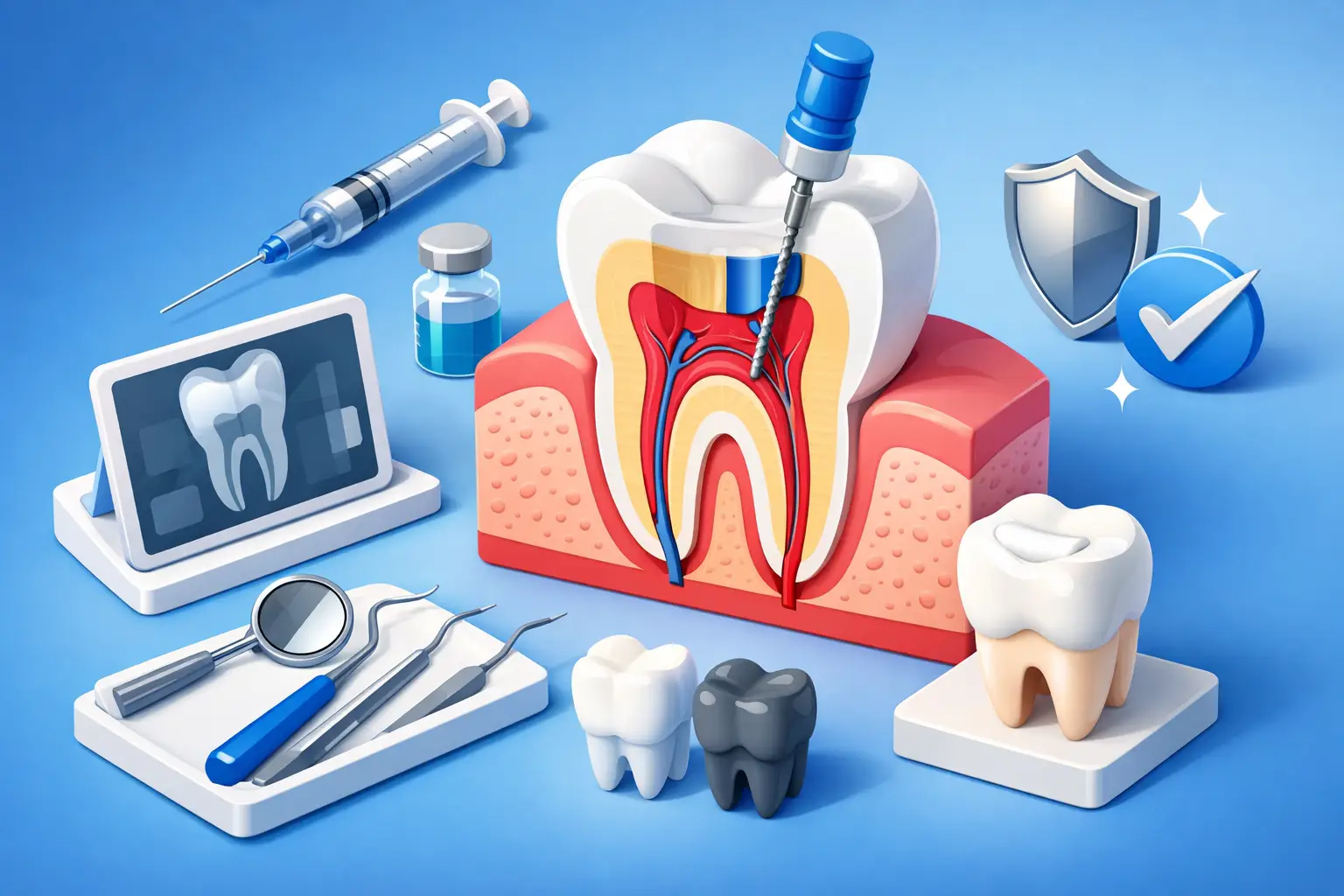
A toothache that interrupts sleep, makes a warm cup of coffee unbearable, or sends a sharp jolt through your jaw is more than an inconvenience. It can be a sign that the soft tissue inside a tooth is inflamed or infected. A root canal is designed to remove that infection, relieve pain, and help you keep the natural tooth that still supports your bite and smile.
For many patients, the phrase itself brings up worry. That reaction is understandable, especially if you have had a difficult dental experience in the past. Modern root canal treatment is carefully planned, precisely performed, and focused on comfort. The procedure does not create the pain people fear - it treats the source of it.
Why a Tooth May Need Root Canal Treatment
Inside every tooth is a small chamber containing pulp, which includes nerves, blood vessels, and connective tissue. The pulp helps a tooth develop, but once the tooth is fully formed, it can continue to function without it. When bacteria reach this inner tissue, the pulp may become irritated, infected, or damaged.
Deep decay is a common cause, but it is not the only one. A crack, a large old filling, repeated dental work on the same tooth, or an injury can expose the pulp to bacteria. Sometimes the damage is not immediately visible from the outside. That is why an exam and digital X-rays matter when a tooth is persistently painful or behaving differently than usual.
Without treatment, an infection can spread beyond the tooth root into the surrounding bone and gums. The pain may come and go, but that does not mean the problem has resolved. In some cases, the nerve inside the tooth stops responding and the discomfort temporarily fades while the infection continues to progress.
Signs You Should Schedule an Exam Promptly
Not every toothache requires a root canal, and only an examination can determine what is happening. Still, it is wise to contact a dentist promptly if you notice several of these symptoms:
- Lingering sensitivity to hot or cold temperatures, especially after the temperature source is gone
- Significant pain when chewing, biting, or touching the tooth
- Swelling or tenderness in the gums near one tooth
- A darkened or gray-looking tooth after an injury
- A small pimple-like bump on the gums, which may drain and return
Facial swelling, fever, trouble swallowing, or difficulty breathing needs urgent attention. Dental infections should not be managed by waiting for symptoms to settle down.
What Happens During a Root Canal?
The first step is a clear diagnosis. Your dentist will review your symptoms, examine the tooth and surrounding tissues, and use X-rays to evaluate the roots and bone. This allows the care team to explain whether root canal treatment is the best way to preserve the tooth or whether another option should be considered.
Once treatment is recommended, the tooth and nearby tissues are thoroughly numbed. If dental anxiety has kept you from seeking care, let the team know before the appointment. Comfort is not an afterthought. Small adjustments, clear communication, breaks when needed, and a calm pace can make a meaningful difference.
During the procedure, the dentist creates a small opening in the tooth to access the infected or inflamed pulp. The damaged tissue is gently removed, and the narrow root canals are cleaned, shaped, and disinfected. The space is then sealed to help prevent bacteria from returning.
Some teeth can be treated and sealed in one visit. Others need more time, especially if there is substantial infection, complex root anatomy, or a need for medication inside the tooth between visits. The timeline depends on your specific tooth, not a one-size-fits-all schedule.
After the inside of the tooth has been treated, restoring the outside is equally important. Back teeth often need a dental crown because they handle significant chewing pressure and may already have lost a large amount of healthy structure. A crown helps protect the tooth from fracture and restores its natural function. Front teeth may sometimes be restored with a more conservative filling, depending on how much tooth structure remains.
Does a Root Canal Hurt?
This is the question nearly every anxious patient asks, and it deserves a direct answer. With effective local anesthesia, most patients feel pressure and vibration rather than pain during root canal treatment. For many people, the procedure feels similar to receiving a filling, particularly once the tooth is fully numb.
The discomfort that leads someone to seek treatment is often far more difficult than the appointment itself. After treatment, it is normal to have tenderness when biting or mild soreness in the jaw for a few days. Over-the-counter pain medication may be recommended when appropriate for your health history. Your dentist will provide specific aftercare instructions based on your treatment.
Call the office if severe pain, increasing swelling, a high fever, or symptoms that worsen after the first few days occur. These concerns are uncommon, but prompt communication allows the team to guide you appropriately.
Recovery: How to Protect Your Treated Tooth
A root canal-treated tooth can last many years, and often much longer, with a strong final restoration and consistent dental care. The treatment removes infection, but long-term success also depends on protecting the tooth from future decay, leakage, and cracks.
Until the permanent restoration is placed, avoid chewing hard or sticky foods on that side if possible. A tooth that has been treated may be more vulnerable to fracture, particularly if it has a temporary filling or has lost substantial structure. Once your crown or final restoration is complete, brush twice daily with fluoride toothpaste, clean between teeth every day, and maintain regular exams and cleanings.
It also helps to address the reason the tooth became infected in the first place. If decay was the cause, preventive care and early treatment can reduce the risk of another deep cavity. If clenching or grinding contributed to a crack, a custom night guard may help protect your teeth. Your care plan should look at the full picture, not simply the immediate problem.
Is Extraction Ever Better Than a Root Canal?
There are times when a tooth cannot be predictably saved. A severe fracture below the gumline, extensive decay that leaves too little healthy tooth structure, or advanced bone loss may make extraction the better clinical choice. When that happens, replacement options such as a dental implant, bridge, or partial denture can restore appearance and function.
When a tooth is restorable, however, preserving it is often beneficial. Your natural tooth helps maintain chewing function and supports the alignment of nearby teeth. Replacing an extracted tooth can also require additional appointments, healing time, and expense. The right decision depends on the tooth's condition, your oral health, your goals, and a candid discussion of the expected long-term outcome.
At Ashar Dentistry, patients can receive a thoughtful evaluation and a treatment plan explained in plain language. Whether you need urgent pain relief, a crown after treatment, or guidance on a more complex restorative decision, the goal is to make each next step feel clear and manageable.
A painful tooth rarely improves by being ignored. If something feels off, scheduling an exam early can give you more options, more comfort, and a better chance of protecting the smile you already have.
This article is general dental-health information from Ashar Dentistry in McKinney, TX and is not a substitute for an exam or personalised advice. Questions about your own teeth? Call us or book a visit.