
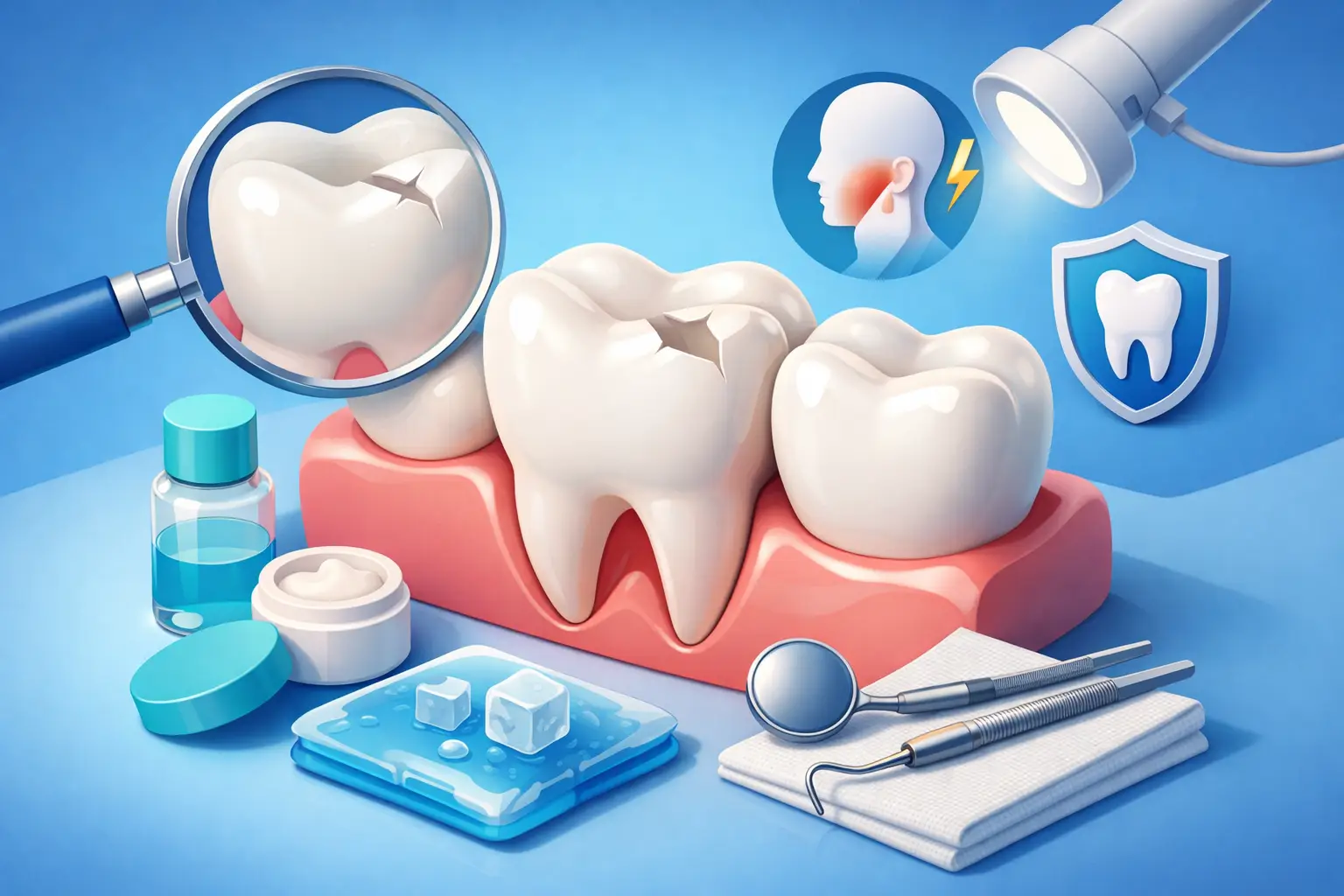
A chipped tooth can happen in one sharp second - during a pickup basketball game, from an unexpected olive pit, or when a child takes a fall. Even a small chip can feel alarming when your tongue keeps finding the rough edge. Knowing what to do for a chipped tooth can protect the tooth, ease discomfort, and help your dentist create the most conservative, natural-looking repair possible.
The good news is that many chipped teeth are very treatable. The right solution depends on how much tooth structure is missing, whether the nerve is affected, where the tooth sits in your smile, and how your bite comes together. Start with calm, practical first aid, then arrange a dental evaluation promptly.
What to Do for a Chipped Tooth Right Away
First, rinse your mouth gently with warm water. This clears away small pieces and lets you see whether there is bleeding, swelling, or a larger break than you initially noticed. If your lip, cheek, or gums are bleeding, apply gentle pressure with clean gauze or a clean cloth.
If you can find the broken piece, save it. Place it in a clean container with milk, saline solution, or your own saliva if possible. A dentist may be able to bond the piece back into place in some situations, especially when it is a clean, recent break. Do not scrub the fragment or try to glue it onto the tooth yourself.
A cold compress against the outside of your cheek can reduce swelling and help with soreness after an injury. For pain, an over-the-counter medication such as acetaminophen or ibuprofen may be appropriate when taken as directed on the label and when it is safe for you medically. Do not place aspirin directly against the tooth or gums. It can irritate oral tissue.
Until you are seen, avoid chewing on that side of your mouth. Choose soft foods and skip hard candy, ice, nuts, popcorn, crusty bread, and sticky foods that can catch on the damaged edge. If the tooth feels sharp, temporary dental wax from a pharmacy can cover the edge and protect your cheek or tongue. Sugar-free gum may work as a very short-term substitute, but it is not a repair.
When a Chipped Tooth Is an Emergency
Not every chip requires an after-hours visit, but it should not be ignored. A dentist can tell whether the damage is limited to enamel or extends into the more sensitive layers of the tooth. Call for a prompt appointment if the tooth is painful, sensitive to temperature, visibly cracked, loose, or cutting your tongue.
Seek urgent dental care the same day if you have severe or worsening pain, swelling in the face or gums, persistent bleeding, a tooth that has shifted position, or a large section missing. These signs can point to deeper trauma, nerve exposure, or infection risk. If an injury involves trouble breathing or swallowing, uncontrolled bleeding, loss of consciousness, or a possible jaw fracture, seek emergency medical care immediately.
Parents should also call quickly when a child chips a tooth. Baby teeth matter for comfort, speech, nutrition, and holding proper space for permanent teeth. A permanent tooth that has broken or been knocked loose deserves especially timely attention.
Why a Small Chip Can Still Need Attention
Enamel is remarkably strong, but it does not grow back. A tiny chip may be mostly cosmetic, yet the rough surface can irritate soft tissue or change how a tooth meets its neighbor. It can also be a clue that the tooth experienced more force than is visible from the outside.
Sensitivity is one reason to schedule an exam. Beneath enamel is dentin, a more porous layer that can transmit hot, cold, and sweet sensations toward the nerve. A larger fracture may expose or inflame the pulp inside the tooth. In those cases, delaying care can turn a straightforward restoration into a more involved treatment.
A chip can also result from an underlying issue rather than a single accident. Nighttime grinding, clenching during stressful workdays, an uneven bite, large older fillings, and weakened enamel can all make teeth more likely to fracture. Your dentist will look beyond the visible edge so the repair has the best chance of lasting.
How Dentists Repair a Chipped Tooth
Your visit usually begins with a conversation about what happened, followed by a careful exam. Digital X-rays may be recommended to check the root, surrounding bone, and areas that cannot be seen directly. The goal is to understand the full condition of the tooth before choosing treatment.
For a small front-tooth chip, dental bonding is often an excellent option. Your dentist shapes tooth-colored composite resin directly onto the area, then carefully matches its shade and contour to the surrounding enamel. Bonding can often be completed in one appointment and is a conservative way to restore a smooth, natural appearance.
When the chip affects more of the visible front surface or there are other cosmetic concerns, a porcelain veneer may be worth discussing. Veneers are custom-made shells designed to improve shape, color, and symmetry. They are not the right answer for every chipped tooth, particularly if the tooth is structurally compromised or the bite puts excessive pressure on the edge.
A crown may be the better choice when a substantial portion of a tooth is missing, when a fracture has weakened the tooth, or after root canal treatment. A well-designed crown covers and protects the remaining tooth while restoring strength and appearance. Modern materials can be chosen based on the location of the tooth, your bite, and the look you want to achieve.
If the nerve has been damaged or infected, root canal treatment may be needed before the tooth is restored with a filling or crown. While that phrase can make patients nervous, the purpose is to relieve pain, remove infection, and preserve your natural tooth whenever possible. Treatment is planned around your comfort, with clear explanations at every stage.
What Not to Do After You Chip a Tooth
Resist the temptation to file the tooth with an emery board or clip it yourself. Even if the edge feels minor, do-it-yourself smoothing can remove healthy enamel, create additional cracks, or leave the tooth looking uneven. Household glue is also unsafe in the mouth and can interfere with professional bonding.
Do not assume that no pain means no problem. Some fractures cause little discomfort at first, especially when they are small or located away from the nerve. A timely exam gives your dentist the chance to smooth a sharp edge, seal vulnerable dentin, or identify a crack before it progresses.
It is also wise to pause whitening products until your dentist has evaluated the tooth. Whitening will not change the shade of composite bonding, a crown, or a veneer. If cosmetic repair is planned, discussing your desired tooth color first can help create a more consistent result.
Preventing Another Chip
Prevention depends on why the chip occurred. If you play contact sports or your child participates in activities with a fall risk, a custom mouthguard provides much better protection than a store-bought option. If you wake with jaw soreness, headaches, or worn tooth edges, ask about a nightguard for grinding and clenching.
Avoid using teeth as tools to open packages, cut tags, or crack nuts. Regular exams are equally valuable because they allow your dental team to monitor old fillings, worn enamel, and bite changes before they become fractures. A small adjustment or preventive restoration can sometimes prevent a larger break later.
At Ashar Dentistry, patients from McKinney and nearby North Dallas communities can receive an individualized evaluation and restorative care in one familiar setting. Whether your chip needs simple smoothing, bonding, a crown, or a more comprehensive plan, you deserve an explanation that feels clear and a result that feels like your own smile.
A chipped tooth is rarely something to panic about, but it is a good reason to listen to your mouth. Save any piece you can find, protect the area, and schedule care soon - the earlier the tooth is assessed, the more options you may have for keeping it healthy, comfortable, and confident-looking.
This article is general dental-health information from Ashar Dentistry in McKinney, TX and is not a substitute for an exam or personalised advice. Questions about your own teeth? Call us or book a visit.