
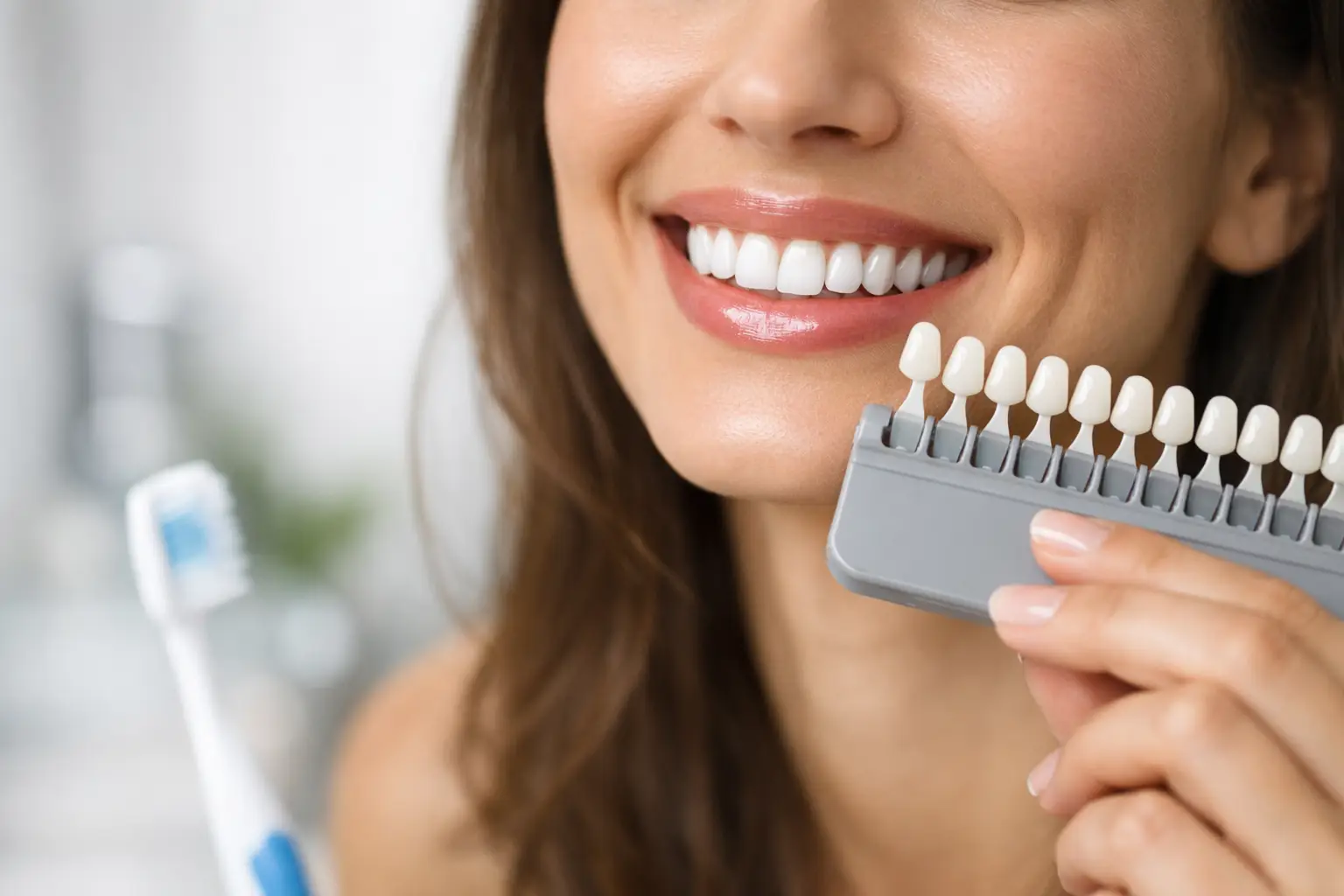
Coffee on the commute, iced tea at lunch, and a favorite glass of red wine can gradually change the color of your smile. Teeth whitening can make a meaningful difference, but the best approach is not simply choosing the strongest product on the shelf. It starts with understanding why your teeth look darker and selecting an option that fits your enamel, existing dental work, timeline, and comfort level.
For patients in McKinney and nearby North Dallas communities, professional guidance can make the process feel far more predictable. A whiter smile should still look like your smile - healthy, natural, and proportionate to your features.
Why Teeth Change Color Over Time
Tooth discoloration usually falls into two categories: surface stains and color changes that develop within the tooth. Surface stains, also called extrinsic stains, commonly come from coffee, tea, dark sodas, red wine, tobacco, and deeply pigmented foods. These stains collect in tiny irregularities in the enamel and can often respond well to whitening treatment.
Intrinsic discoloration begins deeper in the tooth structure. It may be related to aging, certain medications, dental trauma, decay, or changes following a root canal. As enamel naturally becomes thinner with age, more of the yellowish dentin beneath it can show through as well. Whitening may help some intrinsic discoloration, but it is not always the complete answer.
That distinction matters because no single treatment is right for every type of color change. A dental evaluation helps identify whether whitening is likely to produce the improvement you want or whether another cosmetic option, such as bonding, a veneer, or a crown, would better address one dark tooth or a more complex concern.
Professional Teeth Whitening vs. Store-Bought Options
Over-the-counter whitening strips, gels, pens, and toothpastes can help with mild surface staining. They are accessible and can be useful for someone seeking a gradual, modest change. The trade-off is that the concentration of whitening ingredients is generally lower, the fit is less customized, and results can be uneven if the product does not contact each tooth consistently.
Whitening toothpastes deserve realistic expectations. Most work by polishing away surface stains rather than changing the internal color of your teeth. They can be helpful for maintenance, but they will not create the same visible change as peroxide-based whitening treatment.
Professional teeth whitening is planned around your oral health and goals. In-office treatment is often a good fit for patients who want a noticeable improvement in a single visit, perhaps before a wedding, professional event, or family photos. Take-home whitening trays made specifically for your teeth allow for a more gradual process on your own schedule. Both options use professional-grade materials and give your dental team the ability to guide you if sensitivity occurs.
The better choice depends on your starting shade, desired outcome, schedule, and history of sensitivity. Faster is not always better. For some patients, slower whitening with custom trays provides excellent control and a very natural result.
What About Whitening Lights?
Many whitening systems use a light as part of the in-office process. The whitening gel and how it is applied remain the central factors in the result. A light may be included in a professional protocol, but it should not be the deciding feature when comparing options. The safety of your gums, the condition of your teeth, and an appropriate treatment plan matter much more than a dramatic-looking device.
A Healthy Smile Comes First
Whitening is a cosmetic treatment, but it should begin with a health check. Whitening gel does not treat cavities, gum disease, cracked teeth, leaking fillings, or tooth pain. Applying it to untreated dental problems can increase discomfort and delay care that your smile actually needs.
Before moving forward, your dentist may recommend a cleaning to remove plaque and tartar, along with an exam to identify decay, gum inflammation, exposed roots, or old restorations. This is not an unnecessary extra step. A clean, healthy surface gives whitening treatment a better foundation and helps protect your comfort.
Patients with gum recession may need a more cautious approach because root surfaces can be more sensitive than enamel. Those who clench or grind their teeth may also benefit from discussing whether a protective nightguard is appropriate. Personalized care matters because the goal is not merely a lighter shade. It is a result that feels good and supports long-term oral health.
What Results Can You Expect?
A successful result is visible but believable. Many patients want to brighten their teeth by several shades, not create an opaque white that looks out of place. Your natural tooth color, enamel thickness, types of stains, and consistency with treatment all influence the outcome.
Whitening does not change the color of crowns, veneers, composite bonding, fillings, or implants. If a front crown or bonding is already a close match to your current teeth, whitening the surrounding teeth may make that restoration appear darker by comparison. This is especially relevant when you are planning cosmetic work. Often, it makes sense to whiten first, allow the color to stabilize, and then have new visible restorations matched to the brighter shade.
A single tooth that has darkened after injury or a root canal requires a different conversation. Rather than whitening every tooth, your dentist may recommend an internal whitening technique or discuss restorative options designed specifically for that tooth.
Managing Sensitivity During Whitening
Temporary sensitivity is one of the most common concerns with whitening, and it does not mean you have done permanent harm to your teeth. It can feel like short, sharp twinges with cold drinks or during treatment. For many people, it improves after pausing treatment or adjusting how often whitening gel is used.
If you have a history of sensitive teeth, tell your dental team before treatment begins. A less frequent schedule, shorter wear time, a lower-strength formula, or a desensitizing toothpaste may make whitening much more comfortable. Avoid trying to push through significant pain. Sensitivity is a reason to check in and adjust the plan, not a reason to abandon your smile goals altogether.
It is also wise to avoid highly acidic foods and drinks immediately after whitening if your teeth feel sensitive. Choose room-temperature water, use a soft-bristled toothbrush, and keep brushing gently. Aggressive brushing will not make teeth whiter and can irritate gums or wear enamel over time.
How to Keep Your Smile Bright
Whitening results are not permanent because daily life continues to expose teeth to staining foods, drinks, and habits. With thoughtful maintenance, however, a brighter smile can last for many months or longer. Regular cleanings help remove fresh surface stains before they become more noticeable.
For the first day or two after a whitening session, consider limiting foods and beverages that could stain a white shirt: coffee, tea, red wine, dark berries, tomato sauce, and tobacco products. This does not mean you have to avoid your favorite coffee forever. Drinking water afterward, using a straw for cold beverages when practical, and maintaining consistent home care can reduce the effect of frequent staining.
Touch-up treatment is normal. Your dentist can recommend a schedule based on your habits and the whitening method used. Overusing whitening products in pursuit of an ever-lighter shade can lead to unnecessary sensitivity, so a measured approach is usually the better one.
When Whitening Is Not the Best Next Step
Sometimes the concern is not tooth color alone. Uneven edges, chips, spacing, worn enamel, or old restorations may be more noticeable once teeth are brighter. In these situations, whitening can be one part of a larger cosmetic plan that may include Invisalign treatment, bonding, veneers, or crowns.
There are also times to wait. Pregnant or breastfeeding patients should discuss timing with their physician and dentist. Children and teens need individualized guidance because their teeth and dental development are still changing. Anyone experiencing tooth pain, bleeding gums, swelling, or a suddenly dark tooth should schedule an evaluation before using whitening products.
At Ashar Dentistry, the conversation begins with what you see in the mirror and what you want to feel when you smile. Your appointment can include an exam, a clear discussion of realistic options, and a treatment recommendation shaped around your comfort and goals.
A brighter smile does not need to be complicated or intimidating. Start with a professional conversation, choose a pace that feels comfortable, and let healthy care lead the way toward a result you will be happy to share.
This article is general dental-health information from Ashar Dentistry in McKinney, TX and is not a substitute for an exam or personalised advice. Questions about your own teeth? Call us or book a visit.