
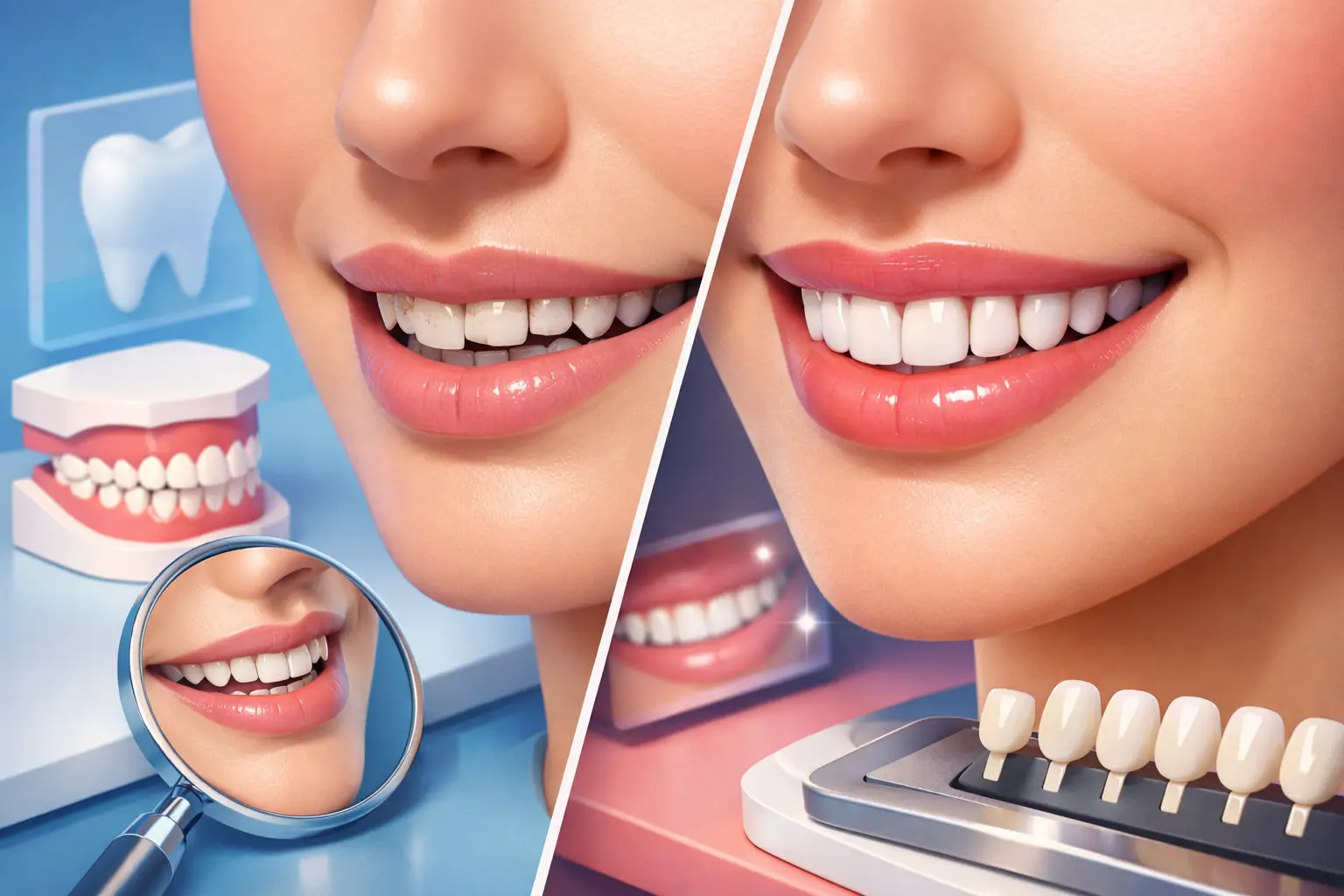
A smile makeover before after can look dramatic in a photo, but the most meaningful change is often more personal: smiling in a meeting without covering your mouth, enjoying photos with family, or eating comfortably again. A successful makeover is not about creating a generic, ultra-white smile. It is about creating a healthy, natural-looking result that fits your face, goals, lifestyle, and long-term dental needs.
For patients in McKinney and the surrounding North Dallas communities, the right path may be as simple as whitening and bonding. For someone with worn teeth, missing teeth, bite concerns, or old dental work, it may involve a more comprehensive plan. The difference begins with a careful conversation and a complete evaluation, not a one-size-fits-all cosmetic package.
What a Smile Makeover Before After Can Show
Before-and-after photos can be helpful because they show how treatment can improve tooth color, shape, spacing, alignment, and overall balance. They can also help you identify the kind of result you like: subtle and refined, brighter and more youthful, or a fuller restoration after years of dental damage.
Still, photos do not tell the entire clinical story. Two people may have similar-looking front teeth but need very different treatment. One may be a good candidate for whitening and clear aligners, while another may need crowns to protect heavily worn teeth or dental implants to replace teeth that are missing.
The best before-and-after result is built on healthy gums, stable teeth, and a bite that functions comfortably. Cosmetic changes should support your oral health rather than hide a problem underneath. That is why an exam may include digital imaging, an assessment of your gums and bite, and a conversation about issues such as clenching, sensitivity, past dental work, or dental anxiety.
The Changes That Create a Natural Result
A beautiful smile is rarely about one feature alone. It is the relationship between tooth color, shape, spacing, gum appearance, lip line, and facial proportions. Small adjustments in several areas can often create a result that looks more natural than changing just one thing dramatically.
Brighter teeth without an artificial look
Professional whitening can lift stains from coffee, tea, red wine, tobacco, and normal aging. It is often a practical starting point for patients whose teeth are healthy but appear dull or yellow. Whitening does not change the color of crowns, veneers, fillings, or bonding, so treatment timing matters. If you are planning visible restorations, your dentist may recommend whitening first so new work can be matched to your preferred shade.
A brighter shade is not always the brightest possible shade. Many patients prefer a clean, healthy-looking color that complements their skin tone and does not look out of place next to their natural teeth.
Straighter spacing and improved balance
Clear aligners can correct many concerns involving crowding, gaps, or mild-to-moderate bite issues. Straightening teeth before cosmetic bonding or veneers can sometimes reduce the amount of restorative work needed, preserving more natural enamel.
However, aligners require consistent wear and patience. They are not the fastest route for every patient, particularly when teeth are severely worn, missing, or damaged. A consultation helps determine whether orthodontic treatment, restorative treatment, or a combination of both will provide the most predictable result.
Refined shape with bonding or veneers
Dental bonding uses tooth-colored material to smooth chips, close small spaces, reshape uneven edges, or improve minor discoloration. It is generally conservative and can be an excellent option for targeted improvements. Bonding may stain or chip over time, especially for patients who bite their nails, chew ice, or grind their teeth.
Porcelain veneers can provide more extensive changes in color, shape, and symmetry. They are custom-designed and can be remarkably natural-looking when planned thoughtfully. Veneers are a long-term commitment, though, and they are not the answer for every concern. If decay, gum disease, active clenching, or bite instability is present, those issues need attention first.
Restoring teeth that are damaged or missing
Crowns can rebuild teeth that are fractured, deeply decayed, heavily filled, or weakened after root canal treatment. For patients with multiple worn or damaged teeth, carefully planned crowns may restore both appearance and function.
Dental implants replace missing tooth roots and can support a crown, bridge, or denture. They can improve stability, chewing comfort, and smile confidence while helping preserve the bone in the jaw. Implant treatment takes planning and healing time, and candidacy depends on factors such as bone levels, gum health, medical history, and tobacco use. The investment can be significant, but for the right patient, implants offer a durable solution that feels closer to a natural tooth.
Why the “Before” Matters as Much as the “After”
The starting point is not something to rush past. It gives your dentist the information needed to plan treatment safely and honestly. A smile that looks uneven may be affected by enamel wear from grinding. Dark teeth may have old restorations that need replacement. Bleeding gums may signal inflammation that should be treated before cosmetic work begins.
At Ashar Dentistry, comprehensive care allows cosmetic, restorative, preventive, and implant needs to be considered together. This matters because a plan can be coordinated around the full picture rather than treating each concern in isolation. You should understand what is urgent, what is elective, what can be completed in phases, and what results are realistic for your unique smile.
For patients who feel nervous about dental treatment, this planning stage is also a chance to set expectations for comfort. Sharing past experiences, worries about injections or sounds, and preferences for communication can help the team tailor your visits. Feeling informed and respected is part of a positive makeover experience.
A Personalized Smile Makeover Process
A thoughtful process usually starts with an appointment to discuss what you would like to change and what you want to keep. Bring examples if you have them, but expect the conversation to go beyond a photo. Your dentist will evaluate your teeth, gums, bite, facial proportions, and existing restorations to identify the options that make clinical sense.
Next comes a clear treatment plan. Some patients benefit from one focused service, such as whitening or Invisalign. Others may need a phased approach: treating gum inflammation first, straightening teeth, replacing old crowns, then completing cosmetic refinements. Phasing care can make treatment more manageable financially and physically while protecting the final result.
During treatment, communication matters. You should know why each recommendation is being made, how long it may take, what you can expect during recovery or adjustment, and how to care for your new smile. Financing options may help eligible patients move forward with elective or larger restorative treatment without postponing care that could benefit their health and confidence.
How to Protect Your New Smile
The after photo is a milestone, not the finish line. Daily brushing and flossing, regular professional cleanings, and routine exams protect both natural teeth and dental restorations. If you grind or clench, a custom nightguard may help protect veneers, bonding, crowns, and your natural enamel.
Your habits also affect longevity. Avoid using teeth to open packages, be mindful with hard foods and ice, and ask how beverages, tobacco, and foods may affect whitening or stain-prone materials. With the right home care and professional maintenance, cosmetic and restorative dentistry can continue to look and feel good for years.
The most rewarding smile makeover is one that lets you feel like yourself, only more comfortable, confident, and free to smile. The first step is simply a conversation about what you see now, what you hope to change, and the healthy path that can get you there.
This article is general dental-health information from Ashar Dentistry in McKinney, TX and is not a substitute for an exam or personalised advice. Questions about your own teeth? Call us or book a visit.