
A missing tooth can change more than your smile. It can make lunch with coworkers uncomfortable, cause you to avoid photos, or leave you chewing on one side without realizing it. Knowing the signs you need a dental implant can help you address the problem before nearby teeth shift, your bite changes, or daily discomfort becomes your normal.
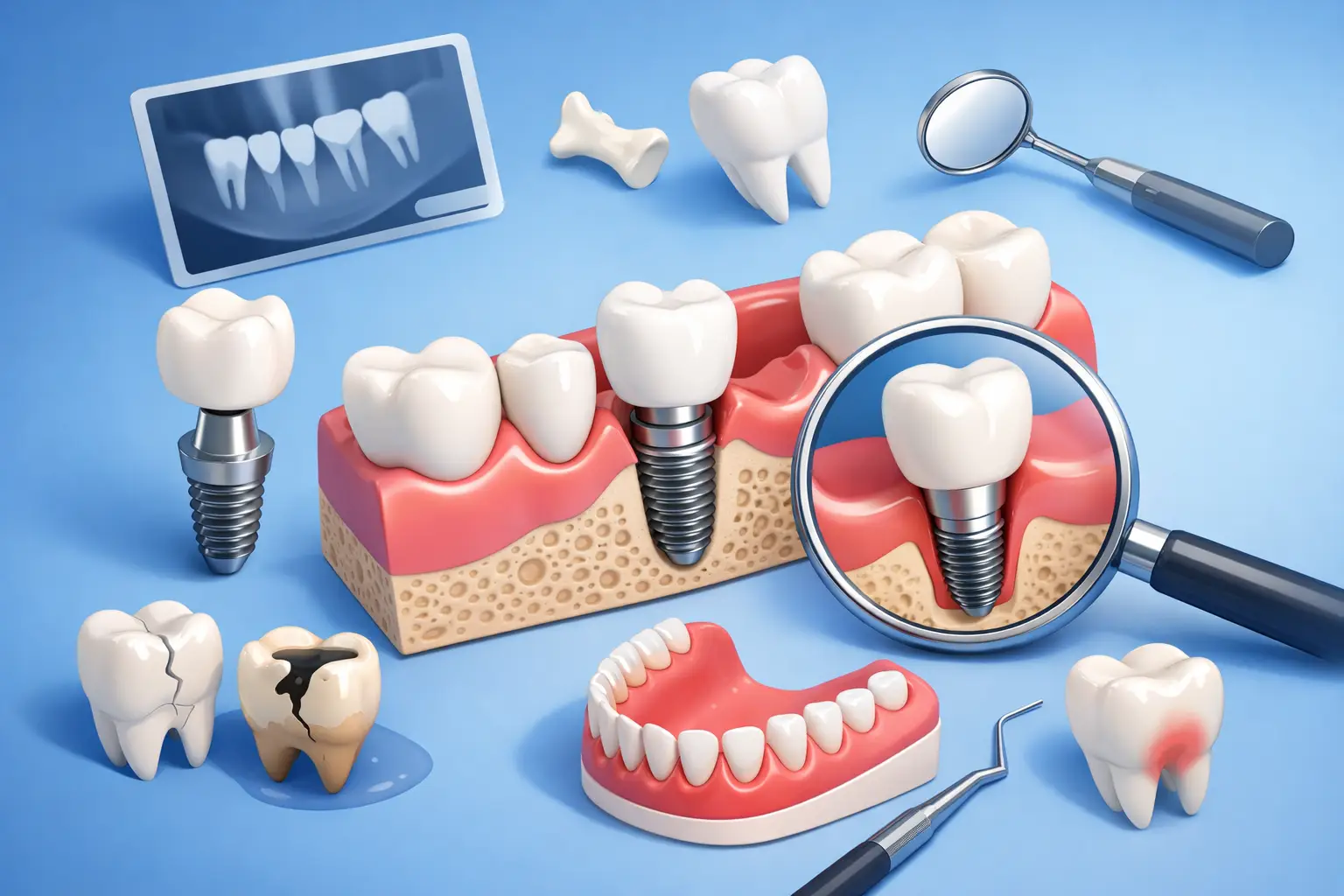
Dental implants are designed to replace the root and visible portion of a missing tooth. A small implant post is placed in the jawbone, then restored with a natural-looking crown, bridge, or denture. They are not the right answer for every situation, but for many patients, implants offer a stable, long-lasting way to restore function and confidence.
9 signs you need a dental implant
1. You have a missing tooth
This is the clearest reason to ask about an implant. Whether the tooth was lost because of decay, gum disease, a fracture, or an injury, the open space deserves attention. Leaving it untreated can allow neighboring teeth to drift toward the gap and the opposing tooth to move out of position.
A single dental implant can often replace one missing tooth without altering the healthy teeth beside it. That is one major difference from a traditional bridge, which usually requires crowns on the adjacent teeth for support.
2. A tooth is badly cracked or cannot be saved
Not every damaged tooth needs to be removed. A filling, crown, or root canal can often preserve a tooth that has deep decay or a crack. But when a tooth is fractured below the gumline, severely infected, or has too little healthy structure remaining, extraction may be the more predictable choice.
If removal is recommended, ask whether implant planning should begin at the same time. In some cases, an implant can be placed soon after extraction. In others, the area needs time to heal first. The right timing depends on the health of the bone, gums, and surrounding tissues.
3. Your denture moves when you eat or speak
A removable denture should not keep you from enjoying a conversation or ordering foods you love. If your denture slides, clicks, rubs sore spots, or requires frequent adhesive, implant support may improve its stability.
Implants can secure a removable overdenture or support a fixed full-arch restoration. The best option depends on your goals, bone volume, budget, hygiene habits, and the condition of your remaining teeth. Even a few well-placed implants may make a meaningful difference in comfort and chewing ability.
4. You avoid certain foods because chewing is difficult
You may have adapted to soft foods, cut everything into tiny pieces, or chew only on one side. Those habits can be signs that a missing or failing tooth is affecting your function more than you realize.
A properly restored implant is designed to help distribute chewing forces more naturally. It does not mean you should immediately test it with the hardest food in your pantry, but it can help you return to a more varied, comfortable diet after healing and final restoration.
5. Your bridge is failing or no longer feels comfortable
Dental bridges can be an excellent treatment for the right patient. Still, bridges can eventually loosen, fracture, decay around their edges, or become difficult to clean. If a bridge has failed repeatedly, or if the teeth supporting it are weakening, an implant may be worth discussing.
An implant replaces the missing tooth independently rather than relying on neighboring teeth for support. However, a bridge may still be the better solution when surgery is not appropriate, treatment time needs to be shorter, or other health and financial factors guide the decision.
6. Your face or smile seems to have changed after tooth loss
The jawbone needs regular stimulation from tooth roots. After a tooth is lost, the bone in that area can gradually shrink. Over time, this may affect the shape of the gums, make a denture fit less securely, and contribute to a more sunken appearance around the mouth.
Because an implant functions like a tooth root, it can help preserve bone in the area where it is placed. It cannot reverse every change that has already occurred, and some patients need bone grafting before treatment. A detailed exam and imaging help determine what is possible.
7. You feel self-conscious when you smile or speak
Confidence is not a minor concern. If you cover your mouth, avoid close-up photos, or worry that people can see a gap in your smile, a replacement tooth can have a real impact on how you feel day to day.
Implant crowns are customized to complement the color, shape, and proportions of your natural teeth. The goal is not a generic result. It is a restoration that looks at home in your smile and feels comfortable when you speak and eat.
8. Your remaining teeth are starting to shift
A gap can create a domino effect. Teeth next to the space may tip inward, while the tooth above or below it may move because it no longer has an opposing tooth. These shifts can create new spaces, affect your bite, and make brushing and flossing more difficult.
Replacing a missing tooth may help maintain the spacing and balance of your bite. If shifting has already occurred, additional treatment such as clear aligners, crowns, or other restorative care may be considered as part of a personalized plan.
9. You are tired of temporary fixes
Temporary partial dentures, repeated repairs, loose bridges, and ongoing discomfort can become frustrating and costly over time. If you are looking for a solution built around stability and long-term oral health, an implant consultation can give you clearer options.
A dental implant does require a process. Treatment may involve an extraction, bone graft, healing time, implant placement, and a final crown. That timeline can feel longer than a quick replacement, but thoughtful planning is what supports a durable result.
When an implant may not be the first step
Having one or more of these signs does not automatically mean you need an implant immediately. Active gum disease, untreated decay, uncontrolled health conditions, smoking, or insufficient bone may need to be addressed first. A good treatment plan begins with the full picture, not just the empty space.
Patients sometimes worry they are too old for implants. Age alone is rarely the deciding factor. Overall health, healing ability, oral hygiene, bone quality, and personal treatment goals matter far more. Many adults choose implant treatment later in life and enjoy the added comfort it provides.
If dental anxiety has kept you from seeking care, you are not alone. The first appointment is simply a chance to talk through what you are experiencing, review imaging, and understand your choices in plain language. There is no benefit to rushing a decision you do not feel comfortable with.
What to expect at an implant consultation
At Ashar Dentistry, implant planning is centered on understanding your needs before recommending treatment. Your visit may include a conversation about your health history and concerns, an examination of the teeth and gums, and digital imaging to evaluate the jawbone and the area around the missing or failing tooth.
From there, your dentist can explain whether an implant is a strong option, whether grafting or other treatment is needed first, and what the expected timeline may look like. You can also discuss alternatives, costs, and available financing options so that the plan feels manageable rather than overwhelming.
A dental implant is not just about filling a gap. It is about protecting your bite, supporting your oral health, and helping you eat, speak, and smile without holding back. If one of these signs sounds familiar, scheduling a consultation is a practical first step toward a solution that fits your life.
This article is general dental-health information from Ashar Dentistry in McKinney, TX and is not a substitute for an exam or personalised advice. Questions about your own teeth? Call us or book a visit.