
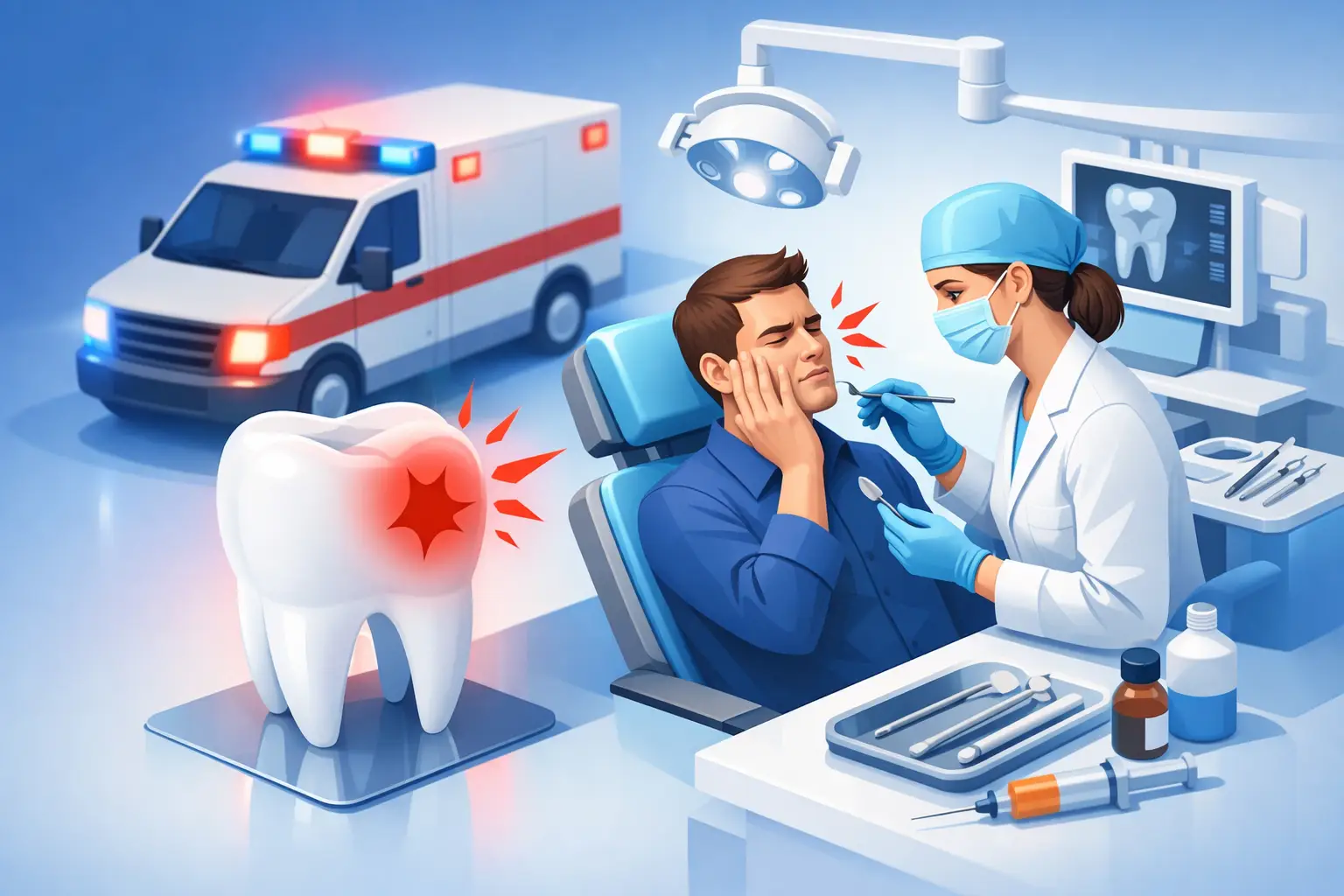
A toothache can turn an ordinary workday, family dinner, or sleepless night into something you simply need to get through. When pain is sharp, persistent, or getting worse, a same day dentist for toothache can help identify what is happening beneath the surface and provide a clear plan for relief. Dental pain is rarely something to ignore, even if it fades for a few hours.
The goal of an urgent dental visit is not just to make the pain stop. It is to find the source, protect the tooth whenever possible, and prevent a manageable concern from becoming a more complicated infection, fracture, or tooth-loss issue.
When You Need a Same Day Dentist for Toothache
Not every mild tooth sensitivity requires an emergency appointment. A brief twinge with cold water may be related to enamel wear, a small cavity, or exposed root surfaces and can often be addressed at a scheduled visit. But certain symptoms call for faster attention.
Contact a dentist promptly if your toothache is severe, keeps you awake, throbs without an obvious trigger, or does not improve with over-the-counter pain medicine. Pain when biting can point to a crack, a damaged filling, an inflamed nerve, or an infection around the root. Swelling in the gum, cheek, or jaw is also a reason to call the same day, especially if it is increasing.
A tooth that has been chipped, broken, knocked loose, or injured in a fall or sports accident should be examined as soon as possible. Even when a damaged tooth does not hurt much at first, the inner tissue may be exposed or the root may have been affected.
Some symptoms require medical emergency care rather than waiting for a dental appointment. Go to the emergency room or call 911 for trouble breathing or swallowing, swelling that spreads toward the eye or neck, uncontrolled bleeding, or a serious facial injury. Those signs can indicate an infection or trauma that needs immediate medical support.
Why Toothaches Can Feel So Intense
Teeth may look small, but each one contains sensitive inner tissue made up of nerves and blood vessels. When decay reaches that tissue, bacteria can trigger inflammation and pressure inside the tooth. Because the tooth is enclosed by hard enamel and dentin, that pressure has nowhere to go, which is why a deep toothache can feel surprisingly intense.
Other causes are less obvious. A cracked tooth may hurt only when you release your bite. Gum disease can create tenderness, bleeding, and loose teeth. A failing crown or filling can let bacteria enter around its edges. Sinus pressure can also create an ache in the upper back teeth, although a dental exam is still the right way to rule out a tooth-based problem.
The same symptom can have different causes, so it is not wise to diagnose a toothache by appearance alone. A tooth may look normal while infection or a crack is developing below the gumline. Digital imaging and a careful clinical exam help the dentist see what cannot be seen in a bathroom mirror.
What Happens at an Urgent Dental Visit
When you call for a toothache appointment, share as much detail as you can. Let the team know when the pain started, whether it is constant or triggered by heat, cold, or chewing, and whether you have swelling, fever, a broken tooth, or a lost restoration. This information helps determine how urgently you should be seen.
At your visit, the dentist will listen first. You may be asked about recent dental work, injuries, grinding or clenching, and your overall health. The exam may include gentle testing of the tooth, surrounding gums, and bite, along with digital X-rays when needed. These steps help distinguish between a cavity, infection, crack, gum concern, or another source of discomfort.
Treatment depends on the diagnosis. If decay has not reached the nerve, a filling may be enough. A broken filling or crown may need repair or replacement. When the nerve is inflamed or infected, root canal treatment can remove the damaged tissue, disinfect the inside of the tooth, and preserve the natural tooth. If a tooth cannot be saved, an extraction may be recommended, followed by a conversation about replacement options such as an implant, bridge, or denture.
Sometimes the first appointment focuses on stabilizing the problem and getting you comfortable, with final restorative treatment scheduled after inflammation settles or a dental lab completes a custom crown. That is not a delay in care. It is often the most predictable way to protect your bite, appearance, and long-term result.
What You Can Do Before You Are Seen
A same-day visit is the priority, but a few careful steps can make the time before your appointment more manageable. Rinse gently with warm salt water and use floss to remove any food trapped between teeth. A cold compress against the outside of the cheek may help reduce swelling and discomfort.
If you can safely take them, use over-the-counter pain medications only as directed on the label or by your physician. Do not place aspirin, alcohol, or topical chemicals directly on the tooth or gum. They can burn the soft tissue and do not treat the source of pain.
Try to avoid chewing on the painful side, especially hard, sticky, very hot, or very cold foods. If a crown, filling, or piece of tooth has come out, save it in a clean container and bring it with you. A lost tooth should be handled by the crown, not the root. If it is clean, gently place it back in the socket if possible, or keep it in milk while you seek immediate dental care.
Relief Matters, but So Does the Long-Term Plan
It can be tempting to seek only the fastest way to quiet a toothache. Antibiotics, for example, are sometimes necessary when infection is spreading, but they do not remove decay, repair a crack, or clean an infected nerve. Pain medicine can also mask symptoms while the underlying problem continues.
The best urgent care combines immediate relief with an honest discussion about what the tooth needs next. Ask what caused the issue, whether the tooth can be preserved, what treatment alternatives exist, and what will happen if treatment is postponed. Clear answers make it easier to choose confidently, particularly if dental visits have made you anxious in the past.
At Ashar Dentistry, patients from McKinney and surrounding North Dallas communities can expect a calm, personalized approach to urgent concerns. Modern diagnostics, thoughtful comfort measures, and clear treatment planning help replace uncertainty with a practical next step. If additional restorative care is needed, having one team coordinate the process can make an already stressful situation feel far more manageable.
Preventing the Next Toothache
Not every dental emergency is preventable, but regular exams and cleanings give your dentist a chance to find small cavities, worn fillings, gum inflammation, and cracks before they become painful. A night guard can protect teeth if grinding is contributing to fractures or jaw soreness. For patients with frequent decay, fluoride treatment, home-care adjustments, and nutrition guidance may lower future risk.
Most of all, pay attention to changes. Lingering sensitivity, a rough tooth edge, bleeding gums, or discomfort when chewing are signals worth checking early. A prompt call when something feels different can often mean a simpler visit, a more conservative treatment, and less time spent living around pain.
If a toothache is interrupting your sleep, concentration, or ability to eat, call for an urgent evaluation. You deserve more than a temporary workaround - you deserve to know what is causing the pain and what it will take to feel comfortable again.
This article is general dental-health information from Ashar Dentistry in McKinney, TX and is not a substitute for an exam or personalised advice. Questions about your own teeth? Call us or book a visit.