
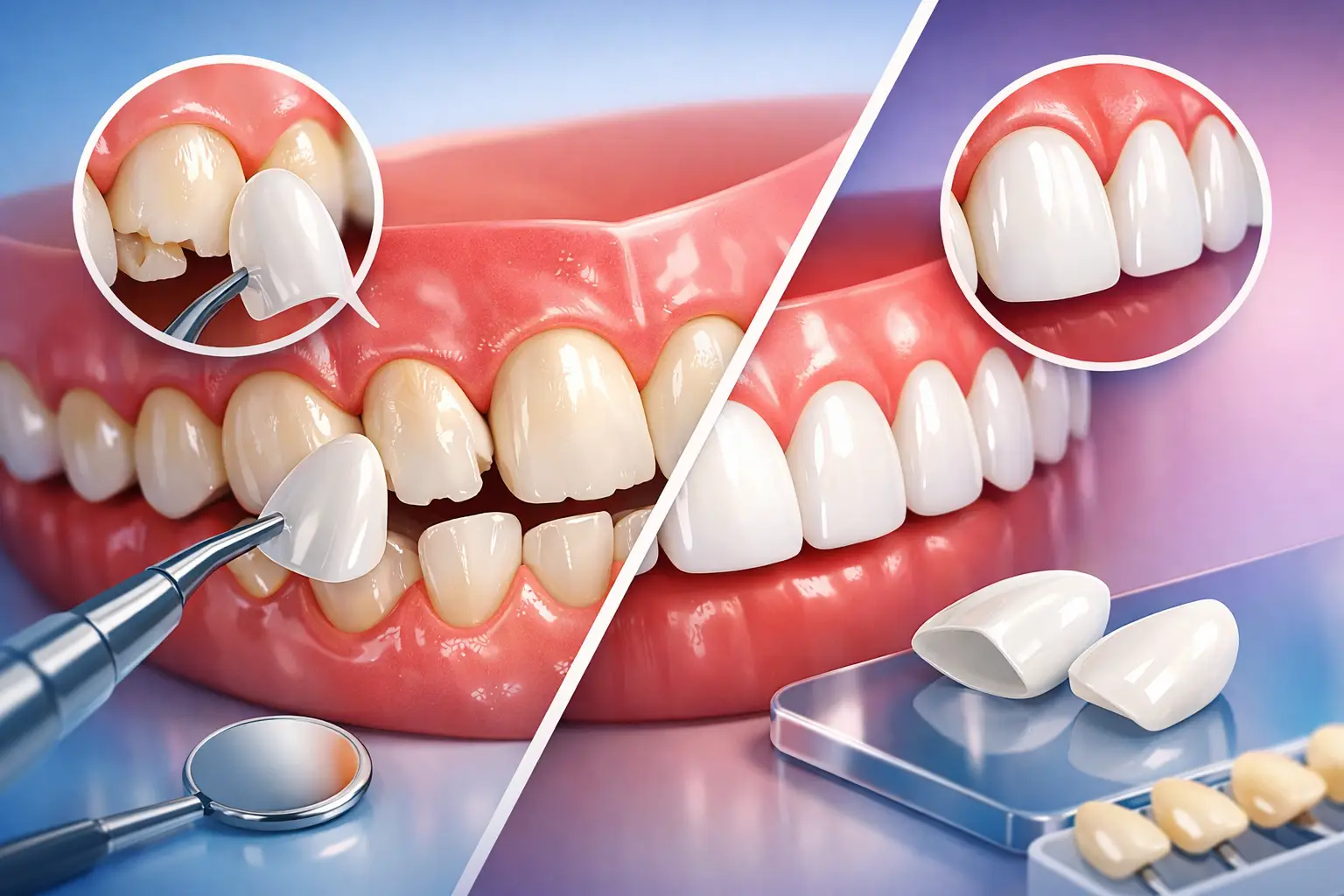
A brighter smile can be easy to picture, but a polished porcelain veneers before and after photo only tells part of the story. The most successful transformations do more than make teeth look whiter. They bring balance to the smile, preserve a natural look, support comfortable function, and reflect the individual behind the teeth.
For patients in McKinney and nearby North Dallas communities, veneers can be an exciting option for improving chips, discoloration, uneven edges, and small gaps. The right result starts with a careful conversation about what you see in the mirror, what you want to change, and what will make sense for your long-term oral health.
What Porcelain Veneers Can Change
Porcelain veneers are thin, custom-crafted shells that cover the front surface of selected teeth. They are bonded securely to the tooth to improve its visible shape, color, proportion, or surface texture. Because each veneer is designed individually, treatment can be conservative and highly tailored rather than giving every smile the same bright, uniform appearance.
Before treatment, patients may notice teeth that look worn down, slightly crooked, stained despite whitening, or mismatched due to old bonding or fillings. Some people have one or two teeth that distract from an otherwise healthy smile. Others want a more complete cosmetic improvement across the upper front teeth, and sometimes the lower teeth as well.
After treatment, the change should look intentional but not artificial. Well-designed veneers can soften uneven edges, close small spaces, create more even tooth proportions, and brighten the smile with a shade that complements your complexion and natural teeth. The goal is not to create a smile that looks copied from someone else. It is to create a smile that looks like it has always belonged to you.
Porcelain Veneers Before and After: What Makes Results Look Natural?
The difference between an attractive result and an overly obvious one usually comes down to planning. A veneer is small, but its design affects how light reflects from the tooth, how the lip frames the smile, and how your teeth look when you speak or laugh.
A dentist considers facial features, gumline symmetry, tooth length, bite relationship, and the amount of tooth structure available. Shade selection matters, too. Very white veneers can be beautiful, but the best shade depends on your preferences, age, skin tone, and the color of teeth that will remain untreated. If only a few veneers are planned, matching neighboring natural teeth becomes especially important.
Texture and translucency also make a meaningful difference. Natural enamel is not flat, opaque, or identical from tooth to tooth. High-quality porcelain can be customized with subtle details that keep the final smile from looking too solid or artificial.
The gums are part of the before-and-after story as well. Healthy gums provide the frame around every tooth. If gum inflammation, recession, or uneven gum contours are present, your dentist may recommend addressing those concerns before moving forward with cosmetic treatment.
The Veneer Process, Step by Step
Veneer treatment is organized in stages so you can make informed decisions before permanent porcelain is bonded to your teeth. While every plan is different, the process generally begins with a consultation and examination.
During that first visit, you can discuss what you would like to change, review your dental and health history, and ask direct questions about durability, cost, and alternatives. Digital imaging, photographs, and impressions or scans may be used to evaluate your smile and plan the details. If there are untreated cavities, gum disease, grinding concerns, or bite problems, those need attention first. Cosmetic dentistry works best when it is built on a healthy foundation.
Next comes preparation, if needed. Traditional porcelain veneers usually require the removal of a small amount of enamel to create room for the veneer and prevent a bulky appearance. This is a precise, conservative process, but it is permanent because enamel does not grow back. Some patients may be candidates for minimal-prep options, though these are not right for every smile. Teeth that already project forward or need significant reshaping may still require preparation for a balanced result.
Temporary veneers may be placed while the final restorations are crafted. This stage gives you a preview of the proposed shape and length in everyday life. It is a valuable time to speak up about comfort and appearance. Small adjustments are much easier to address before the final veneers are made.
At the bonding appointment, the dentist checks the fit, color, bite, and overall appearance before permanently placing the veneers. The final result should feel comfortable when you close your teeth and natural when you smile. A careful bite check is essential, especially for patients who clench or grind.
Is It Better to Choose Veneers, Whitening, Bonding, or Orthodontics?
Veneers are a versatile cosmetic option, but they are not automatically the best first choice. The right treatment depends on the condition of your teeth and what is causing the concern.
Professional whitening may be the more conservative choice when healthy teeth are mainly affected by staining. Whitening changes the color of natural enamel without covering it, although it will not correct chips, worn edges, or shape differences. If veneers are planned for only some front teeth, whitening may be completed first so the new porcelain can be matched to a brighter overall shade.
Composite bonding can improve small chips, gaps, and minor shape concerns in a single visit in many cases. It typically costs less initially and often requires less tooth alteration, but composite can stain and wear more readily than porcelain. It may need touch-ups or replacement sooner.
Clear aligners may be recommended when tooth position is the primary issue. Moving teeth into a healthier, more balanced position can reduce the amount of cosmetic alteration needed afterward. Some patients combine aligners with whitening, bonding, or a small number of veneers for a more conservative plan.
Crowns are different from veneers. A crown covers the full tooth and may be necessary when a tooth has significant decay, a large fracture, a root canal, or insufficient remaining structure. Choosing a crown when a veneer would protect healthy tooth structure is unnecessary, but choosing a veneer for a structurally compromised tooth may not provide the support it needs.
Realistic Expectations for Veneer Longevity
Porcelain is durable and resists staining better than natural enamel and composite resin. With thoughtful planning and good home care, veneers can remain beautiful for many years. Still, they are not indestructible or maintenance-free.
Biting hard items such as ice, pens, or fingernails can chip porcelain. Using front teeth to open packages can damage both veneers and natural teeth. If you clench or grind, a custom night guard may help protect your investment while you sleep. Regular cleanings and exams allow your dental team to monitor the edges of the veneers, gum health, bite, and surrounding teeth.
Veneers also do not protect against cavities at the margins where the porcelain meets the tooth. Brushing twice daily with a nonabrasive toothpaste, flossing consistently, and keeping regular preventive appointments remain essential. Porcelain itself will not whiten, so future whitening treatment affects only natural teeth. This is another reason shade planning matters from the beginning.
Questions Worth Asking at Your Consultation
A cosmetic consultation should feel clear and unhurried, not like a sales presentation. Ask how many teeth are recommended and why, whether enamel reduction is expected, how your bite and grinding habits will be managed, and what alternatives could achieve part of your goal.
It is also reasonable to ask what happens if a veneer chips, comes loose, or eventually needs replacement. A good treatment plan explains the long-term commitment as openly as the visual benefits. Financing options may be available for patients who prefer to spread the cost of elective care over time.
At Ashar Dentistry, the conversation begins with your goals and the health of your smile. Whether porcelain veneers are the right next step or a more conservative option fits better, a personalized consultation can replace guesswork with a plan that feels comfortable, practical, and genuinely yours.
This article is general dental-health information from Ashar Dentistry in McKinney, TX and is not a substitute for an exam or personalised advice. Questions about your own teeth? Call us or book a visit.