
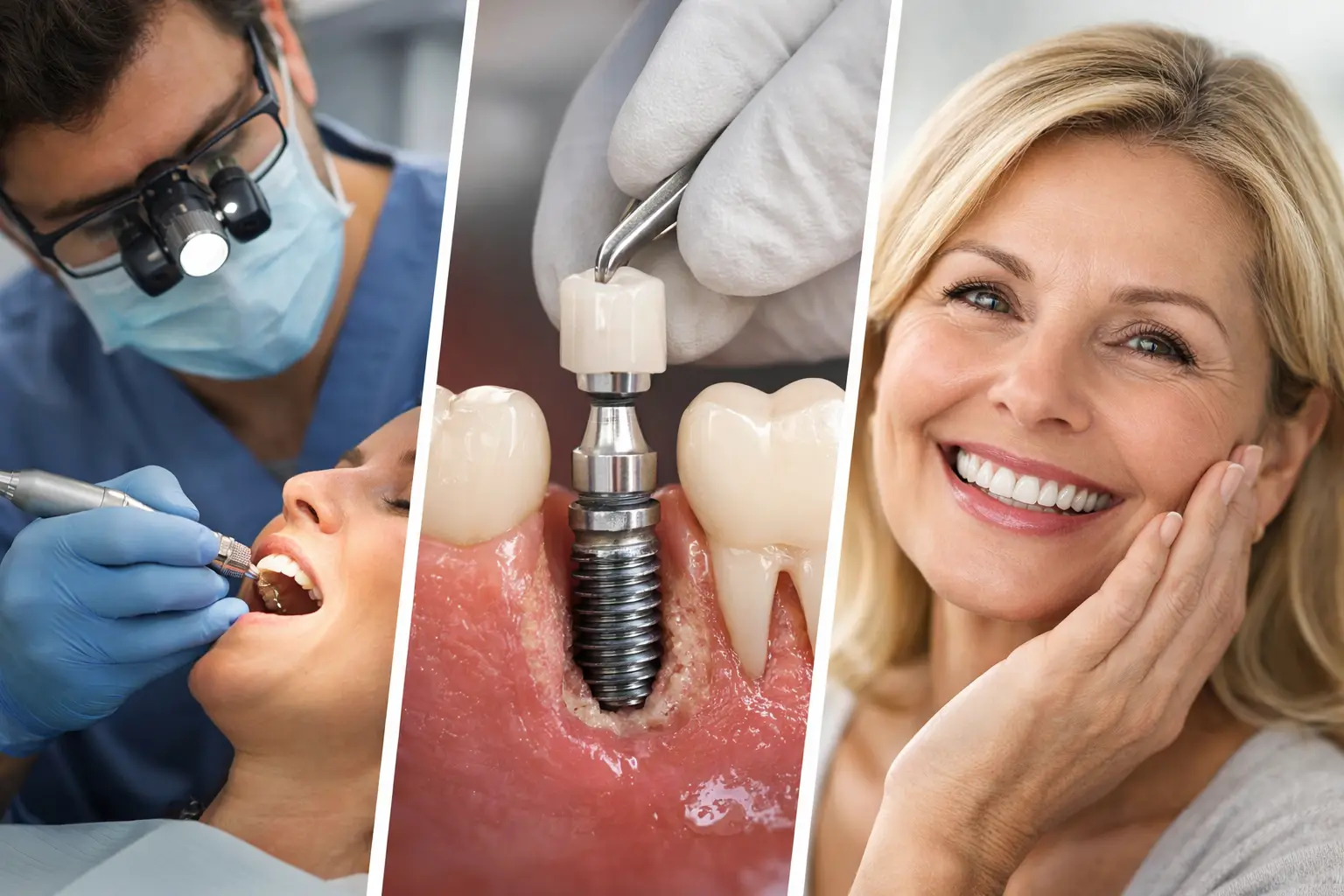
A missing tooth can change more than the way a smile looks. It can make chewing less comfortable, affect confidence in photos or conversations, and allow nearby teeth to shift over time. This implant treatment example shows how care may progress for a patient with a damaged tooth that cannot be saved, from the first conversation through a natural-looking final crown.
Every smile, health history, and treatment timeline is different. The purpose of an example is not to promise an identical path, but to make the process feel more understandable. At Ashar Dentistry, treatment begins with listening to your concerns, reviewing your options clearly, and creating a plan that supports both your comfort and long-term oral health.
An Implant Treatment Example: Replacing a Failing Tooth
Imagine a patient with a severely cracked upper molar. The tooth has been treated before, but the crack extends too far below the gumline for a crown to provide a dependable result. The patient has occasional pain when biting and wants to avoid a removable appliance or leaving an open space after extraction.
After a comprehensive exam, digital X-rays, and 3D imaging when appropriate, the dentist confirms that a dental implant is a strong option. The surrounding gums are healthy, there is sufficient bone to support an implant, and the patient is committed to maintaining good home care and regular dental visits.
The plan has three main phases: remove the damaged tooth, place and heal the implant, then attach a custom crown. While that sounds straightforward, careful planning at each stage is what helps create a result that feels comfortable and looks like it belongs in the patient’s smile.
Step 1: A Clear Consultation and Personalized Plan
An implant consultation is more than a quick look at a missing tooth. Your dentist evaluates the health of the gums, neighboring teeth, bite, bone levels, and overall medical history. Certain health conditions and medications can influence healing, so an open conversation is essential.
For this patient, the 3D image shows adequate bone in the area. That means the extraction and implant placement may be planned without a bone graft. Another patient may need a graft to rebuild or preserve bone before an implant can be placed. A graft can add time to treatment, but it can also create the stable foundation needed for a long-lasting result.
The consultation is also the right time to discuss practical details. Patients often want to know how many appointments are involved, what discomfort may feel like, whether they will have a temporary tooth, and how financing can work. Clear answers help replace uncertainty with a manageable plan.
Step 2: Gentle Tooth Removal and Site Preparation
In this example, the unsalvageable molar is carefully removed. The area is cleaned, and the dentist evaluates the extraction site. Depending on the condition of the bone and gums, implant placement may happen on the same day or after a healing period.
Immediate placement is not automatically the best choice. It can be beneficial in the right situation, but active infection, limited bone, gum concerns, or the need for a more predictable position may mean waiting is safer. Good implant care is not about rushing. It is about choosing the timing that gives the implant the best chance to succeed.
For our example patient, the site is healthy and stable enough for the implant to be placed during the same appointment. Local anesthesia is used to keep the procedure comfortable, and anxiety-conscious comfort options can be discussed before treatment. Most patients are surprised that the process is more manageable than they expected.
Step 3: Implant Placement and Healing
A dental implant is a small post, typically made from biocompatible titanium, placed into the jawbone where the root of the missing tooth once was. It is not the visible tooth itself. Instead, it serves as the stable foundation for the restoration that will be attached later.
Once the implant is placed, the bone gradually heals around it in a process called osseointegration. This is the biological connection that allows an implant to function much like a natural tooth root. Healing commonly takes several months, although the actual timeline varies based on the location of the implant, bone quality, overall health, and whether grafting was needed.
During healing, the patient follows specific aftercare instructions. This may include eating softer foods briefly, keeping the area clean, taking prescribed medications as directed, and avoiding tobacco use. Tobacco can interfere with healing and raise the risk of implant complications, so it is an important topic to discuss honestly before treatment.
For a back tooth, a temporary visible replacement may not be necessary. For a front tooth, appearance matters immediately, so a temporary solution is often part of the plan. The right approach depends on your smile, bite, and the need to protect the healing implant from too much pressure.
The Final Crown: Where Function Meets Appearance
Once the implant has integrated with the bone, the dentist takes digital scans or impressions to design the final restoration. An abutment, a small connector piece, is attached to the implant, and a custom crown is made to fit over it.
This crown is designed with more in mind than color. The shape, size, biting surface, gumline, and shade all matter. A well-designed implant crown should blend with nearby teeth and support comfortable chewing without feeling bulky or unnatural.
At the final appointment, the crown is secured and the bite is checked carefully. The patient in this implant treatment example can chew on the restored side again, smile without worrying about the missing tooth, and maintain the area with everyday brushing, flossing, and professional cleanings.
An implant cannot get a cavity, but the gums and bone around it still need consistent care. Plaque buildup and inflammation around an implant can lead to peri-implant disease, which is why routine hygiene visits remain a meaningful part of protecting the investment.
What This Example Does Not Show
Dental implants are highly versatile, but they are not a one-size-fits-all answer. Some patients are replacing one tooth, while others need multiple implants, an implant-supported bridge, or a full-arch solution to stabilize dentures. The treatment approach changes based on the number and location of missing teeth, jawbone condition, bite forces, budget, and personal goals.
There are also cases where a bridge or partial denture may be the more practical choice. A bridge can sometimes be completed more quickly, particularly if adjacent teeth already need crowns. A removable option may be appropriate when surgery is not advisable or when a patient prefers a lower upfront cost. Your dentist should explain the strengths and limitations of every suitable option, not pressure you toward one treatment.
For patients who feel nervous about dental procedures, the emotional side of treatment deserves attention too. Fear often comes from not knowing what will happen, feeling rushed, or having had a difficult experience elsewhere. A calm, well-explained process can make a significant difference. You should feel comfortable asking questions about comfort, healing, costs, and what to expect at every appointment.
A Strong Foundation for Your Next Step
The most successful implant plans begin before the procedure itself. They begin with an honest evaluation, healthy gums, thoughtful imaging, and a care team that sees the person behind the dental concern. Whether you are dealing with a failing tooth, an old bridge, or a long-standing gap in your smile, a consultation can help you understand what is possible and what path fits your life.
You do not have to figure out the next step alone. A personalized conversation can turn a complicated dental problem into a clear plan for a healthier, more confident smile.
This article is general dental-health information from Ashar Dentistry in McKinney, TX and is not a substitute for an exam or personalised advice. Questions about your own teeth? Call us or book a visit.