
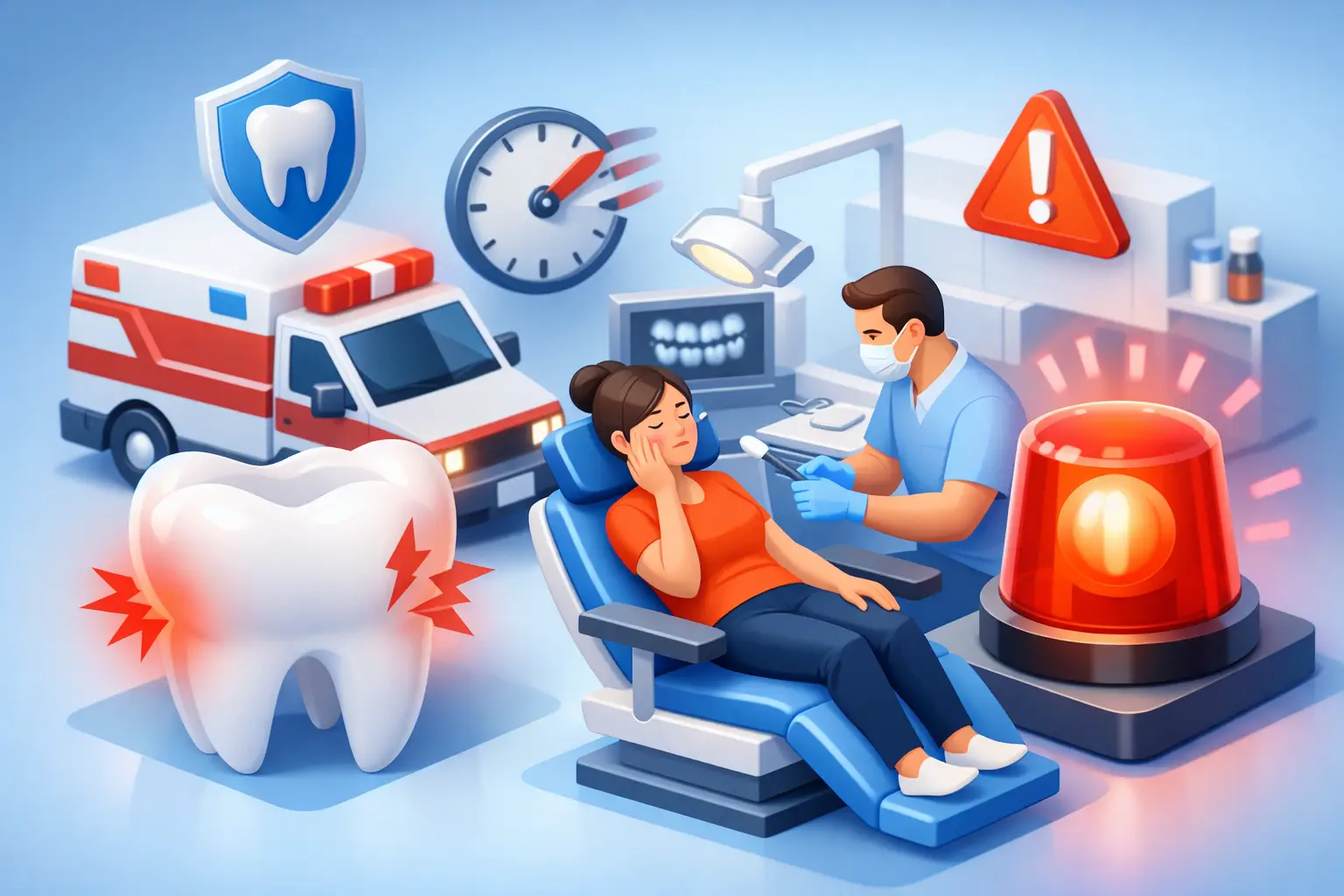
A broken tooth during dinner, a child who wakes up crying from tooth pain, or swelling that seems to worsen by the hour can make it hard to think clearly. When you need an emergency dentist McKinney patients can turn to, the first goal is simple: relieve pain, protect your health, and understand what needs to happen next.
Dental emergencies are stressful because they are often sudden and unfamiliar. You may not know whether the problem can wait, whether treatment will hurt, or how much damage has occurred. Prompt evaluation replaces uncertainty with a clear plan, whether that means calming an infection, repairing a tooth, protecting a restoration, or arranging follow-up care that supports your long-term smile.
When to See an Emergency Dentist in McKinney
Not every dental concern requires same-day care, but severe symptoms should never be ignored. A toothache that lingers after hot or cold foods may be a sign of decay or irritation. A toothache that becomes constant, throbbing, or disruptive to sleep deserves prompt attention, especially when it is paired with swelling, fever, a bad taste in the mouth, or sensitivity to pressure.
Call for an urgent dental appointment if you have knocked out, loosened, cracked, or broken a tooth. The same is true for a lost filling, crown, bridge, or veneer that leaves a tooth sharp, painful, or exposed. A damaged restoration may not always cause an emergency-level problem, but protecting the underlying tooth quickly can prevent a small repair from becoming a larger one.
Swelling of the gums, face, jaw, or neck is particularly important to address. It can indicate an infection that needs timely treatment. If swelling affects breathing or swallowing, or if bleeding will not stop after applying firm pressure, seek emergency medical care immediately.
For parents, it can be difficult to judge a child’s symptoms, particularly when a young child cannot describe pain clearly. Changes such as refusing to eat, crying when chewing, holding the jaw, facial swelling, or waking repeatedly at night are all reasons to call. Gentle, age-appropriate care can help children feel safe while giving parents clear answers.
What to Do Before Your Appointment
The right first steps can protect your tooth and make you more comfortable while you arrange care. Avoid placing aspirin directly on the gum or tooth. It can irritate delicate tissue and does not treat the source of the pain.
For the most common urgent situations, these measures can help:
- A knocked-out permanent tooth: Hold it by the crown, not the root. If it is dirty, gently rinse it with milk or clean water without scrubbing. If possible, place it back in the socket. Otherwise, keep it moist in milk or saliva and seek care right away.
- A chipped or broken tooth: Save any pieces you can find. Rinse your mouth with warm water and use a cold compress on the outside of the face if swelling develops.
- A severe toothache: Rinse gently with warm salt water and floss carefully around the painful tooth to remove trapped food. Use a cold compress for swelling.
- A lost crown or filling: Keep the restoration if you have it, and avoid chewing on that side. The tooth may be sensitive to temperature and pressure.
- Soft-tissue injury: Apply clean gauze with steady pressure to control bleeding. If bleeding is heavy or does not slow, seek emergency medical attention.
Over-the-counter pain medication may be appropriate for some patients when taken exactly as directed on the label. Your medical history matters, though, especially if you are pregnant, take blood thinners, have kidney or liver disease, or manage other health conditions. If you are unsure what is safe for you, ask your physician or pharmacist.
Why Fast Care Makes a Difference
Dental pain can come from several causes, including a deep cavity, a cracked tooth, an abscess, gum infection, an injured nerve, or a failing restoration. The symptoms may feel similar, but treatment is not one-size-fits-all. An examination and digital imaging allow your dentist to identify the source rather than simply mask the discomfort.
For example, a cracked tooth may be saved with a crown if the fracture is limited. When the nerve inside a tooth is infected or inflamed, root canal treatment may remove the infection and preserve the natural tooth. If a tooth cannot be restored predictably, extraction may be the healthier choice, followed by a thoughtful discussion about replacement options such as a bridge, denture, or dental implant.
There are trade-offs in every decision. Saving a natural tooth is often preferred when its structure and long-term outlook are favorable. In other cases, repeatedly repairing a severely damaged tooth may not be the most durable or cost-conscious path. A clear conversation about your health, goals, timeline, and budget helps you make a decision with confidence.
Emergency Treatment Should Feel Calm and Clear
An urgent visit should not feel rushed or impersonal. A thoughtful emergency appointment begins by listening to what happened, reviewing symptoms and relevant health history, and determining whether there are signs of infection, trauma, or instability. From there, the priority is to get you comfortable and stabilize the problem.
Sometimes definitive treatment can be completed at the first visit. Other times, the safest approach is to control pain or infection, place a temporary restoration, and schedule the next phase once the area has settled. This is not a delay in care. It is often the most responsible way to protect healing and create a more predictable result.
For patients with dental anxiety, knowing what will happen before treatment begins can make a major difference. Ask questions. Let the team know if you have had a difficult dental experience, a strong gag reflex, or fear around injections, sounds, or loss of control. Comfort-focused care includes explaining each step, checking in often, and creating a pace that feels manageable.
At Ashar Dentistry, emergency care is approached with the same personalized attention used for preventive, cosmetic, and restorative treatment. The goal is not only to address today’s pain but also to help you understand how to prevent the problem from returning.
After the Immediate Problem Is Treated
Relief is a welcome first step, but follow-up care matters. If an infection, fracture, or damaged restoration caused the emergency, the tooth may need further treatment to remain stable. Skipping the recommended next appointment can allow symptoms to return, sometimes with more extensive damage than before.
It is also worth looking at why the emergency occurred. Frequent broken fillings may point to nighttime grinding, bite pressure, or decay around older dental work. Recurrent toothaches can signal that a cavity has progressed beyond what can be felt during everyday brushing. A custom night guard, updated restoration, routine preventive visit, or earlier treatment plan may protect both your comfort and your investment in your smile.
If cost is part of the concern, say so early. Good treatment planning should include transparent discussion of priorities. In an emergency, the immediate need comes first, but there may be more than one appropriate way to complete the long-term restoration. Flexible financing options can also make necessary care easier to plan for.
Pain has a way of making dental decisions feel urgent and isolating. You do not have to wait until it becomes unbearable to ask for help. A timely call, an honest conversation about your symptoms, and a clear treatment plan can turn a frightening moment into the first step toward feeling comfortable again.
This article is general dental-health information from Ashar Dentistry in McKinney, TX and is not a substitute for an exam or personalised advice. Questions about your own teeth? Call us or book a visit.