
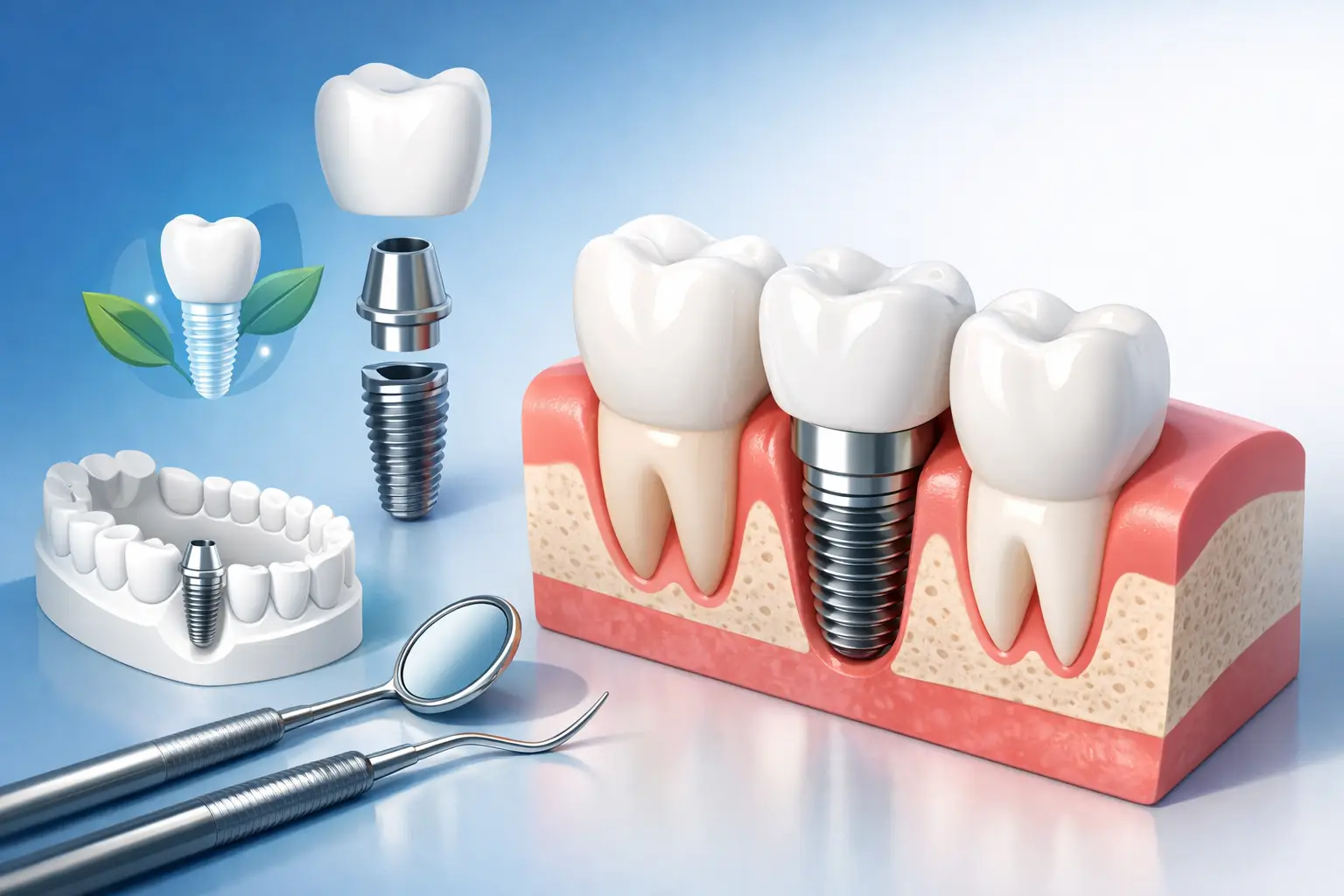
A missing tooth can change more than the way a smile looks in photos. It can make it harder to enjoy a steak dinner, speak without feeling self-conscious, or smile freely in a meeting. Over time, the surrounding teeth may begin to shift, and the jawbone in that area can lose stimulation. Dental implants are designed to replace both the visible tooth and the support beneath it, helping patients restore comfort, confidence, and everyday function.
For many patients in McKinney and surrounding North Dallas communities, an implant is not simply a cosmetic choice. It is a long-term restorative solution that can protect the health and balance of the entire smile. The right treatment plan, however, depends on your oral health, goals, timeline, and the condition of the bone and gums supporting the missing tooth.
What Dental Implants Actually Replace
A dental implant is a small titanium post placed in the jawbone where a tooth root once was. After the area heals, the implant can support a custom crown for one missing tooth, a bridge for several missing teeth, or a more secure denture for a full arch of teeth.
The visible crown is made to blend with your natural smile in color, shape, and proportion. Beneath the gumline, the implant functions much like a tooth root by transferring chewing forces to the jawbone. This stimulation helps preserve bone in a way that a traditional bridge or removable denture cannot fully replicate.
An implant does not decay like a natural tooth, but it still needs consistent care. Healthy gums, regular professional cleanings, and good brushing habits are all part of protecting the investment you make in your smile.
Are Dental Implants Right for You?
Many adults who have lost a tooth due to decay, gum disease, injury, or a failed restoration may be candidates for implants. There is no single age that makes someone too old for treatment. What matters more is overall health, gum health, bone support, and the ability to heal well after surgery.
A consultation is the best place to start because the details matter. Advanced imaging allows the dental team to evaluate the amount and quality of bone, the position of nearby teeth, and important structures such as nerves and sinuses. This planning helps create a safer, more predictable path forward.
The foundation matters
Some patients have enough healthy bone to move ahead with implant placement. Others may need a bone graft first, particularly if the tooth has been missing for a long time or infection caused bone loss. A graft adds time to treatment, but it can create the stable foundation needed for a lasting result.
Gum disease also needs to be addressed before an implant is placed. Placing an implant into unhealthy gum tissue is not a shortcut to a healthy smile. Treating the underlying condition first gives the implant a much better chance of long-term success.
Smoking, uncontrolled diabetes, teeth grinding, and certain medical conditions can affect healing. These factors do not always rule out treatment, but they should be discussed openly. A thoughtful dentist will explain the trade-offs and make recommendations based on your individual risk level, not a one-size-fits-all plan.
The Dental Implant Process, Step by Step
Implant treatment is carefully planned, but it does not have to feel overwhelming. At Ashar Dentistry, the process begins with a consultation focused on understanding your health history, concerns, and goals. You should leave that visit knowing what is recommended, why it is recommended, and what the anticipated timeline may look like.
If an unhealthy tooth needs to be removed, the dentist may place bone grafting material at the time of extraction to preserve the area. In some cases, an implant can be placed immediately after extraction. In others, it is safer to allow the site to heal first. The best timing depends on infection, bone quality, gum tissue, and the position of the tooth.
During implant placement, the titanium post is positioned in the jawbone with precision. Local anesthetic is used to keep you comfortable, and additional comfort options may be discussed for patients who feel anxious about dental treatment. Most people are surprised that the procedure is more manageable than they expected.
The next phase is healing, when the bone gradually bonds with the implant through a process called osseointegration. This usually takes several months. Once the implant is stable, a connector called an abutment and a custom crown are placed to complete the restoration. The final crown is designed to feel secure and look natural beside your existing teeth.
Healing, Comfort, and Realistic Expectations
After implant surgery, mild swelling, tenderness, and bruising can occur for several days. Most patients manage discomfort with the instructions and medications recommended by their dentist, along with soft foods and careful oral hygiene. Following those instructions closely matters, especially during the first week of healing.
The total timeline can range from a few months to longer when extractions, grafting, or gum treatment are needed. While waiting can be frustrating, the healing period is part of what allows the implant to become a stable foundation. Rushing treatment may compromise the result you want for the long term.
Patients also ask whether the finished tooth will feel different. Once healing is complete and the crown is in place, an implant-supported tooth can feel remarkably natural when eating and speaking. It will not have the exact sensation of a natural tooth because it does not contain the same nerve structure, but it is fixed in place and designed for everyday function.
Dental Implants Compared With Other Options
A traditional bridge can replace a missing tooth without surgery, and it may be a practical choice for some patients. However, a bridge often requires shaping the healthy teeth on either side of the gap so they can support the restoration. An implant stands independently and does not rely on neighboring teeth for support.
Removable partial dentures and full dentures can be more affordable upfront, and they remain valuable solutions for many smiles. Their trade-off is that they may move during eating or speaking, require periodic adjustments, and do not stimulate the jawbone in the same way as implants. Implant-supported dentures can offer more stability for patients who are tired of loose or uncomfortable dentures.
Cost is another meaningful consideration. Dental implants usually involve a higher initial investment than some alternatives because they include surgical placement, custom restoration, imaging, and careful planning. Their durability and ability to preserve bone can make them a strong value over time, but every patient deserves a clear estimate and a discussion of available financing before beginning care.
Protecting Your Implant for the Long Term
A dental implant can last for many years with consistent care. Brush twice daily, clean carefully around the implant and crown, and keep routine hygiene appointments. Your dental team may recommend specific floss, interdental brushes, or water flossing techniques depending on the shape of your restoration.
If you grind or clench your teeth, a custom nightguard may help protect both your implant crown and natural teeth from excess force. Regular exams are equally valuable because they allow the dentist to monitor the bite, gum tissue, crown, and bone around the implant before a small concern becomes a bigger problem.
Choosing to replace a missing tooth is a personal decision, and you do not need to have every answer before scheduling a consultation. A clear conversation, a complete evaluation, and a treatment plan built around your comfort can turn a gap in your smile into a practical next step toward feeling like yourself again.
This article is general dental-health information from Ashar Dentistry in McKinney, TX and is not a substitute for an exam or personalised advice. Questions about your own teeth? Call us or book a visit.