
A small chip on a front tooth, a stubborn dark spot, or a gap that shows in every photo can make a healthy smile feel less like your own. When comparing dental bonding versus veneers, the best choice is rarely about choosing the “better” treatment. It is about choosing the option that suits your tooth structure, cosmetic goals, timeline, and plans for the future.
Both treatments can create a brighter, more balanced smile. They work differently, however, and each comes with meaningful trade-offs. A thoughtful cosmetic consultation gives you the clarity to move forward comfortably, without pressure or guesswork.
What Is Dental Bonding?
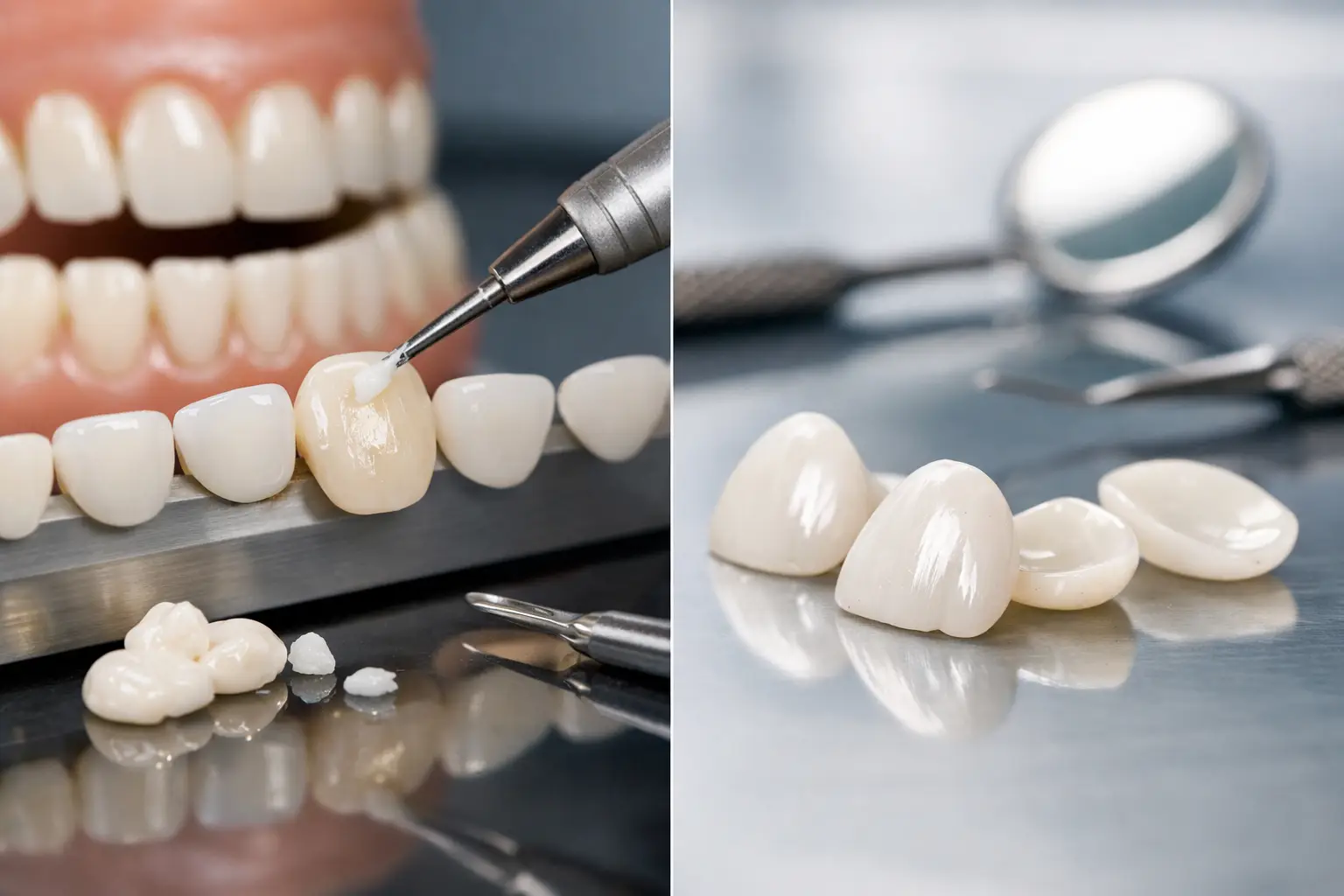
Dental bonding uses a tooth-colored composite resin to improve the shape, color, or appearance of a tooth. Your dentist applies the resin directly to the tooth, shapes it carefully, hardens it with a curing light, and polishes it to blend with the surrounding enamel.
Bonding is often used to repair minor chips, soften uneven edges, close small gaps, cover isolated discoloration, or make a tooth appear slightly longer or wider. In many cases, it can be completed in one visit. It typically requires little to no removal of natural enamel, which makes it a conservative option for the right situation.
The artistic side of bonding matters. Composite must be layered and sculpted with care so the repaired area reflects light naturally and does not look flat or bulky. For a small correction on one or two teeth, well-executed bonding can look remarkably natural.
When bonding may be a good fit
Bonding can be especially appealing if you want a modest change, need a quick repair after a chip, or prefer to preserve as much enamel as possible. It may also be a sensible starting point for patients who are still deciding whether they want a more extensive cosmetic treatment later.
That said, composite resin is not as hard or stain-resistant as porcelain. Coffee, tea, red wine, tobacco, and deeply pigmented foods can gradually affect its color. Bonding can also chip or wear over time, particularly for people who bite their nails, chew ice, or grind their teeth.
What Are Veneers?
Veneers are thin, custom-made shells that cover the front surface of teeth. Porcelain veneers are a popular choice for cosmetic smile improvements because porcelain can mimic the translucency, color variation, and light reflection of natural enamel.
Unlike a small bonding repair, veneers are usually part of a more comprehensive design plan. They can improve the appearance of teeth that are worn, unevenly shaped, mildly crooked, permanently stained, or separated by visible gaps. Several veneers may be used together to create greater consistency across the smile.
Traditional veneers often require removing a small amount of enamel to make room for the porcelain and avoid an overly thick appearance. Because enamel does not grow back, this is a lasting decision. Some patients may qualify for minimal-prep options, but that depends on the position, shape, and color of their teeth. A careful examination is the only way to know whether a conservative approach will produce a beautiful, stable result.
Why patients choose veneers
Porcelain is highly resistant to staining and generally holds its polished appearance longer than composite. Veneers can also deliver more significant color and shape changes than bonding, especially when several front teeth need attention.
The process takes more planning than bonding. After your consultation and treatment design, the teeth are prepared if needed, impressions or digital scans are taken, and custom veneers are created. Temporary veneers may be placed while the final restorations are being made. At the final appointment, the dentist checks fit, color, bite, and overall harmony before bonding the veneers in place.
Dental Bonding Versus Veneers: The Practical Differences
The right choice often becomes clearer when you consider the scope of the concern. Bonding is generally best for smaller, localized improvements. Veneers are often better suited for a more dramatic or coordinated change across the visible smile.
Bonding usually takes less time at the beginning. A minor repair may be completed in a single appointment, while veneers commonly require at least two visits. If you have an upcoming event and need a small chip repaired quickly, bonding may be the more practical path.
Veneers typically provide greater long-term color stability and durability. With consistent home care and regular dental visits, porcelain veneers can last many years. Bonding may need periodic polishing, touch-ups, or replacement sooner. Neither option is permanent in the sense of never needing future care, but veneers are usually the more durable cosmetic investment.
Cost also differs. Bonding is generally less expensive per tooth upfront, which can make it attractive for a small correction. Veneers require custom laboratory work, detailed planning, and more clinical time, so the initial investment is higher. The more useful question is not simply, “Which costs less?” but “Which treatment is likely to meet my goals without repeated compromises or repairs?” Financing options can help make a well-planned treatment feel more manageable.
Your Smile and Bite Matter More Than the Trend
Social media can make veneers look like a simple way to get a perfect smile. In reality, good cosmetic dentistry starts with the health and function of your teeth and gums. Decay, gum inflammation, active clenching, and an unstable bite should be addressed before cosmetic work is placed.
For example, someone who grinds their teeth may need a custom nightguard to protect either bonding or veneers. A patient with significant crowding might benefit from clear aligner treatment before considering veneers, rather than covering misalignment with larger restorations. Teeth with extensive damage may need crowns instead of veneers because they require more structural support.
Whitening is another factor. Natural teeth can be whitened before bonding or veneers are color-matched, but the materials themselves do not whiten in the same way. Planning the shade before treatment helps avoid a mismatch later.
At Ashar Dentistry, cosmetic recommendations are built around your full oral health picture, not a one-size-fits-all smile. That may mean a simple bonding repair, a carefully planned veneer case, or a combination of treatments that protects your teeth while improving the details that bother you.
How to Decide With Confidence
Bring your real priorities to the consultation. If preserving enamel is your top concern and you only want to correct one small flaw, bonding may be the right answer. If you want a durable, stain-resistant transformation across several visible teeth, veneers may offer the more predictable result.
It also helps to be honest about maintenance habits. Both options require brushing twice daily, flossing, routine exams and cleanings, and avoiding using teeth as tools. Veneers and bonding can still chip if you open packages with your teeth or bite hard objects. If you have dental anxiety, let the team know before treatment begins. Comfort measures, clear explanations, and a step-by-step plan can make cosmetic care feel far more approachable.
Can bonding be added to veneers later?
Yes, in some cases. Bonding may be used for a small repair or to adjust another tooth not receiving a veneer. The materials and bite need to be evaluated carefully so the final result remains balanced.
Can veneers fix every cosmetic concern?
No. Veneers can improve many visible imperfections, but they are not the right solution for untreated gum disease, major tooth damage, or bite problems. A healthy foundation always comes first.
Will either treatment look unnatural?
They should not. Natural-looking results depend on thoughtful planning, appropriate tooth proportions, shade selection, and precise clinical work. The goal is not to create a generic smile. It is to create a smile that looks like it belongs to you.
The most reassuring next step is a conversation with a dentist who will examine your teeth, listen to what you want to change, and explain the options in plain language. A beautiful result should feel exciting, but it should also feel right for your health, comfort, and everyday life.
This article is general dental-health information from Ashar Dentistry in McKinney, TX and is not a substitute for an exam or personalised advice. Questions about your own teeth? Call us or book a visit.