
A chipped front tooth, an old filling that keeps breaking, or a smile that feels less like you can all lead to the same question: crowns versus veneers, which one do you actually need? While both restorations can create a natural-looking, confident smile, they solve very different problems. The right choice depends less on which option looks better online and more on how healthy, strong, and intact your tooth is today.
At Ashar Dentistry, the conversation starts with your goals and a close look at your oral health. That includes the visible concerns you want to change, as well as what is happening beneath the surface. A beautiful result should also be a stable, comfortable one.
Crowns Versus Veneers: The Core Difference
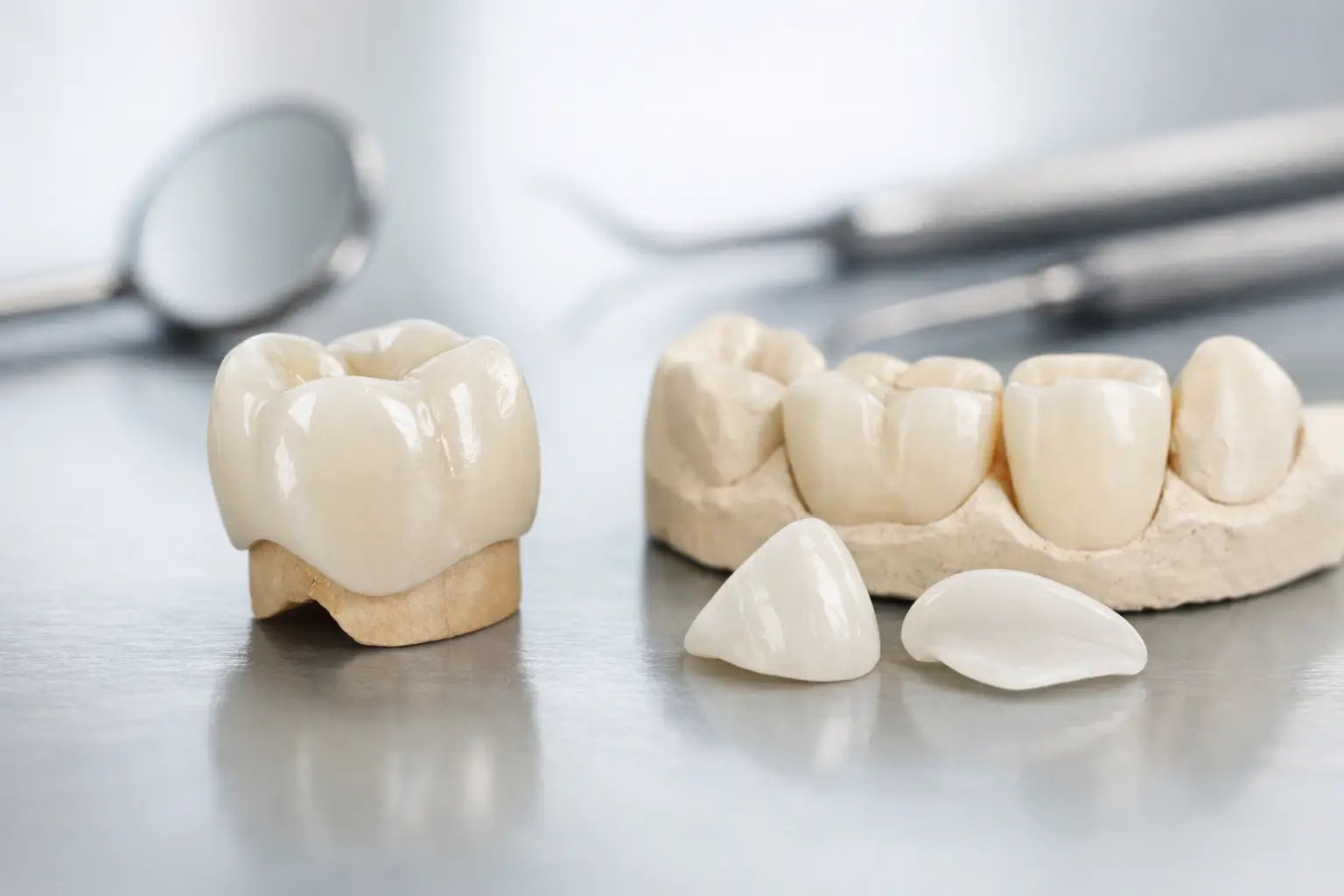
A veneer is a thin, custom-made shell, usually porcelain, bonded to the front surface of a tooth. It is primarily a cosmetic treatment. Veneers can change the color, shape, size, or apparent alignment of teeth that are structurally healthy enough to support them.
A dental crown covers the entire visible portion of a tooth above the gumline. Think of it as a protective cap designed to restore a tooth's shape, function, and strength. Crowns are often recommended when a tooth has been weakened by decay, a large filling, a fracture, significant wear, or root canal treatment.
Both can be made from highly esthetic materials and carefully shaded to blend with your surrounding teeth. The key distinction is coverage: veneers enhance the front of a tooth, while crowns rebuild and protect the whole tooth.
When a Veneer May Be the Better Choice
Veneers are often an excellent option when the concern is mostly cosmetic and the underlying tooth remains healthy. For example, a veneer may help improve teeth with stubborn discoloration that does not respond well to whitening, small chips, uneven edges, minor gaps, or naturally short or irregularly shaped teeth.
They can also create a more balanced smile when one or several visible teeth appear slightly different in size or color. Because veneers are custom designed, your dentist can adjust details that make a meaningful difference, such as the way light reflects from the porcelain, the contour near the gums, and the overall proportions of each tooth.
Veneers usually require removal of a small amount of enamel to create room for the material. The amount varies by case, and a conservative approach is always preferred when appropriate. Still, enamel removal is generally irreversible, which is one reason a thoughtful consultation matters.
A veneer is not the ideal answer for every cosmetic concern. If a tooth has extensive decay, a large crack, heavy wear, or a very large existing filling, covering only the front surface may not provide enough protection. People who clench or grind their teeth may still be candidates, but they may need a protective nightguard and careful evaluation of their bite.
What veneers can and cannot correct
Veneers can make mildly crooked teeth appear straighter, but they do not physically move teeth. If crowding, spacing, or bite alignment is more significant, clear aligner treatment may be the healthier, more conservative first step. Moving teeth into a better position can reduce the amount of tooth preparation needed and support a more predictable cosmetic outcome.
Veneers also do not treat untreated gum disease or active decay. Healthy gums and a stable foundation come first, especially when the goal is a smile that looks good for years rather than just for a photo.
When a Crown Is the Better Choice
A crown is generally recommended when the tooth needs structural support. A tooth can look only slightly damaged on the outside yet be vulnerable to splitting under normal chewing pressure. This is common after a large filling has replaced much of the natural tooth, after a fracture, or following root canal treatment.
Crowns are also used to restore teeth with advanced decay, severe erosion from acid wear, or older restorations that have failed repeatedly. In these situations, the goal is not simply to improve appearance. It is to preserve the tooth, restore chewing function, and reduce the risk of a more serious break.
For back teeth, strength is usually the priority, though modern crowns can still look remarkably natural. For front teeth, a crown can be designed with the translucency and shape needed for a lifelike result while also protecting a compromised tooth.
Preparing a tooth for a crown requires more reduction than preparing it for a veneer because the crown surrounds the tooth. That does not make a crown a less desirable option. It simply means the treatment is selected for a different clinical reason. When a tooth needs full coverage, choosing a veneer to preserve more enamel may leave it underprotected.
Appearance, Strength, and Longevity
Porcelain veneers and ceramic crowns can both deliver beautiful, stain-resistant results. With skilled planning, neither should look bulky, opaque, or artificial. Your dentist considers your facial features, lip line, neighboring teeth, gum contours, and preferences for a brighter or more natural shade.
Strength is where the treatments separate. A crown is built to withstand the forces placed on a tooth that has lost substantial structure. A veneer is durable, but it depends on a healthy enamel foundation and is not intended to reinforce a severely weakened tooth.
Neither option lasts forever, but both can last many years with excellent home care and regular dental visits. Longevity depends on the material used, the condition of the tooth, bite forces, grinding habits, and daily habits. Biting ice, opening packages with your teeth, or chewing hard objects can damage either restoration.
Good care is straightforward: brush twice daily with a nonabrasive toothpaste, clean between your teeth every day, keep up with professional cleanings, and wear a nightguard if you grind or clench. If you notice a rough edge, a change in your bite, sensitivity, or a loose restoration, schedule an appointment promptly rather than waiting for the problem to worsen.
What About Cost and Insurance?
Costs vary because crowns and veneers are highly individualized treatments. The material, the complexity of the case, the number of teeth involved, and any necessary preparatory care all affect the total investment.
Insurance may contribute toward a crown when it is considered medically necessary to restore a damaged tooth, although coverage depends on your specific plan and benefit limits. Veneers are usually classified as cosmetic and are less commonly covered. A clear treatment plan should explain the clinical recommendation, expected costs, alternatives, and financing options before you move forward.
It can be tempting to base the decision on price alone, particularly when a visible tooth is involved. But an option that is less expensive at the start is not necessarily the better value if it does not address the tooth's actual condition. The goal is to choose treatment that protects your oral health and gives you a result you can feel good about.
How Your Dentist Helps You Decide
The best recommendation comes after an exam, digital imaging when needed, and a conversation about what you want to change. Your dentist will evaluate how much healthy tooth structure remains, check for cracks and decay, assess your gums and bite, and consider whether you clench or grind.
You may find that the answer is clear: a healthy but discolored or chipped front tooth may be well suited for a veneer, while a heavily restored tooth with a crack may need a crown. Other cases require more planning. Sometimes whitening, bonding, orthodontic treatment, gum contouring, or replacing an old filling can be part of the path to the best result.
You do not need to arrive knowing the right dental term or treatment. Bring your concerns, whether that is pain when chewing, a tooth that has changed color, or a smile you have been hiding in photos. A comfortable, unhurried consultation can turn an uncertain choice into a clear next step toward a healthier smile.
This article is general dental-health information from Ashar Dentistry in McKinney, TX and is not a substitute for an exam or personalised advice. Questions about your own teeth? Call us or book a visit.