
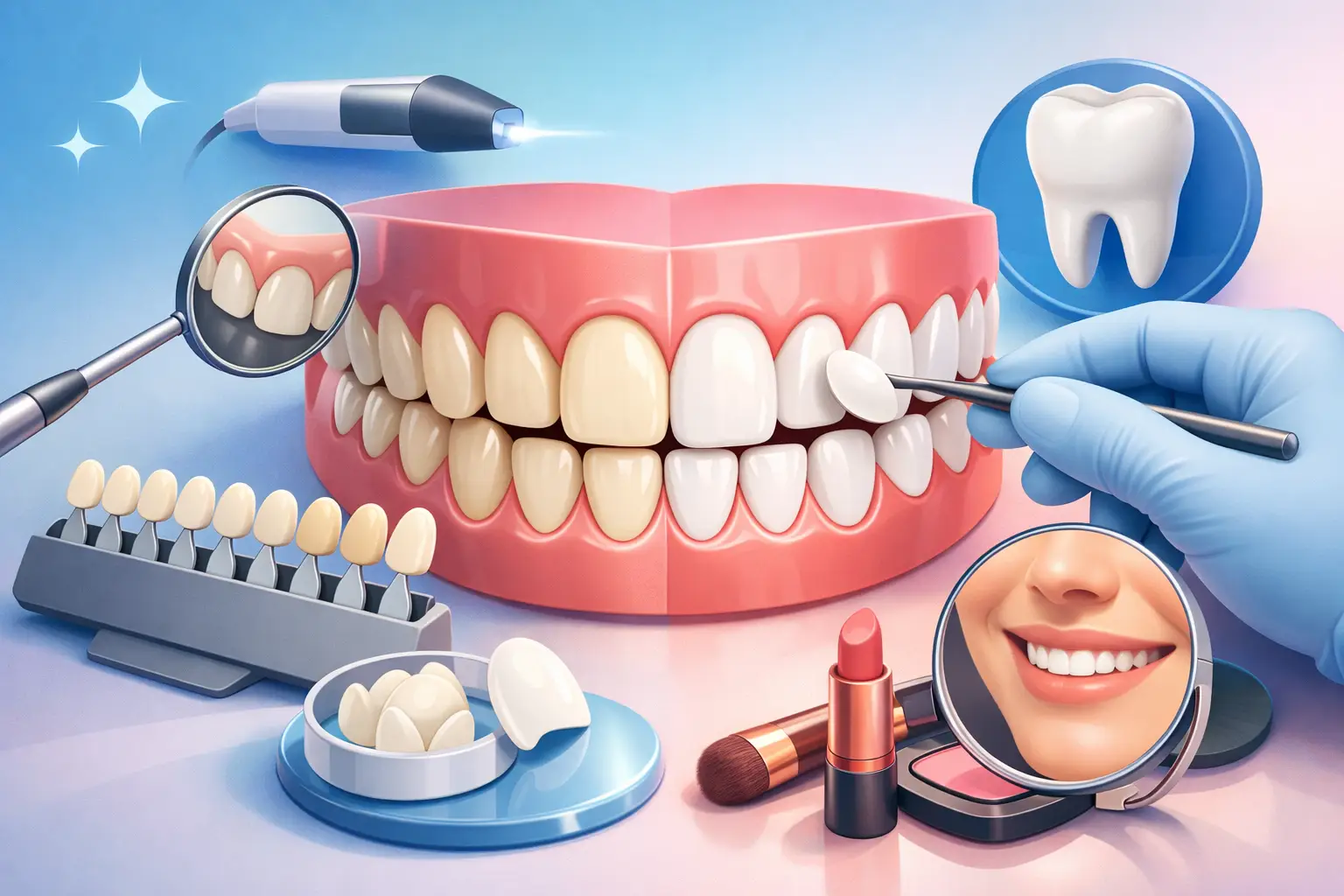
A smile makeover should not leave you looking like someone else. The best cosmetic dentistry respects what makes your face and smile uniquely yours, then improves the details that have been bothering you: discoloration, uneven edges, chips, gaps, worn teeth, or teeth that seem out of proportion. For patients in McKinney and nearby North Dallas communities, the goal is usually simple: a healthy-looking smile that feels natural in photos, conversations, and everyday life.
Cosmetic treatment is not a one-size-fits-all menu. The right approach depends on your oral health, the condition of your teeth, how much change you want, and how you want to maintain your results. A clear consultation helps turn a broad goal like “I want a better smile” into a plan that feels comfortable, realistic, and personal.
What Cosmetic Dentistry Can Change
Cosmetic dentistry focuses on the appearance of your teeth and gums, but the most successful treatment plans also protect function and long-term oral health. A brighter smile is valuable, but it should not come at the expense of a weak tooth, an untreated cavity, unhealthy gums, or a bite that needs attention.
Professional whitening can lift many common stains caused by coffee, tea, red wine, tobacco, and normal aging. It is often a good choice for patients whose teeth are healthy, aligned, and simply darker than they would like. Whitening does not change the color of existing crowns, fillings, or veneers, so your dentist may recommend completing whitening before selecting the shade for new dental work.
Clear aligners can improve spacing, crowding, and mild to moderate bite concerns without traditional brackets and wires. Straightening teeth can be cosmetic, but it may also make brushing and flossing easier. Treatment time varies based on your starting point and how consistently you wear your aligners.
Veneers are thin, custom restorations that cover the visible front surface of a tooth. They can create a more uniform color, shape, and symmetry when whitening or orthodontic treatment alone cannot achieve the result you want. Veneers are a significant decision because they may require changes to natural enamel. For the right patient, they can offer a durable, dramatic improvement. For another patient, whitening, bonding, or aligners may preserve more natural tooth structure and meet the same goal.
Dental bonding uses tooth-colored material to repair small chips, soften sharp edges, close minor gaps, or improve the shape of a tooth. It can be a conservative option, although it may stain or chip more easily than porcelain and may need maintenance over time.
Crowns can also play a cosmetic role, particularly when a tooth is cracked, heavily filled, worn, or weakened after root canal treatment. Unlike a veneer, a crown covers the entire tooth. When restorative and aesthetic needs overlap, a carefully designed crown can strengthen the tooth while helping it blend naturally with your smile.
Start With Health, Then Design the Smile
A beautiful result begins with a healthy foundation. Before cosmetic treatment, your dentist should evaluate your gums, teeth, bite, existing restorations, and any signs of infection or decay. If gum disease, active cavities, tooth grinding, or failing dental work is present, those concerns often need treatment first.
This is not a delay for the sake of a delay. It is how you protect your investment. Whitening sensitive teeth without addressing the cause of sensitivity can be uncomfortable. Placing veneers over teeth affected by decay can create larger problems later. Changing the appearance of front teeth without considering the bite can put excess pressure on the new work.
For patients with missing, severely damaged, or worn teeth, cosmetic care may be part of a broader smile rehabilitation plan. Dental implants, bridges, crowns, or dentures can restore chewing ability and facial support while also improving appearance. When one practice can coordinate preventive, restorative, orthodontic, and cosmetic care, the plan can be more cohesive from the first consultation through long-term maintenance.
Choosing Between Whitening, Bonding, Veneers, and Aligners
The best option is rarely the most dramatic one. It is the option that solves the right problem with an appropriate level of treatment.
If your main concern is color, professional whitening may be enough. If your teeth are healthy but slightly uneven, bonding can make a meaningful difference with minimal preparation. If alignment is the issue, clear aligners may allow you to improve your smile while keeping your natural teeth largely unchanged. If you have several concerns at once, such as deep discoloration, worn edges, gaps, and uneven shapes, veneers may be worth discussing.
Your timeline matters, too. Whitening can produce a noticeable change quickly. Bonding may often be completed efficiently, depending on the number of teeth involved. Aligners require patience and consistent wear, while veneers involve planning, preparation, temporary restorations in some cases, and final placement.
Budget is another practical consideration. A thoughtful consultation should include clear treatment recommendations and a transparent conversation about costs, sequencing, and financing options. Sometimes a phased approach makes sense. You might begin with hygiene care and whitening, then decide later whether you still want bonding, aligners, or veneers. There is no benefit to rushing into more treatment than you need.
What Natural-Looking Results Actually Require
Natural-looking cosmetic dentistry is more detailed than choosing a bright shade of white. Teeth have subtle variation in color, translucency, texture, and shape. They also need to suit your facial features, lip line, gum display, and the way you speak and smile.
A skilled treatment plan considers proportion. Front teeth that are too long, too square, or too opaque can look artificial even when the work is technically well done. Similarly, an overly white shade may not blend with nearby teeth or complement your overall appearance. Many patients want a refreshed smile, not a smile that announces dental work from across the room.
Communication is essential. Bring up the details you notice, even if they feel small. You may want less gum show, a softer edge on one tooth, a more balanced smile in photos, or a result that looks polished but not overly perfect. Photos, digital imaging, and a careful discussion of your preferences can help your dentist understand the outcome you have in mind.
At Ashar Dentistry, cosmetic care is approached as a conversation, not a sales pitch. Your provider can explain what each option can realistically accomplish, where trade-offs exist, and what will be needed to keep the result looking its best.
Plan for Maintenance Before You Begin
Every cosmetic treatment needs ongoing care. Whitening results can fade gradually, especially if you regularly enjoy coffee, tea, or richly colored foods and drinks. Touch-up whitening may be part of your maintenance plan.
Bonding can wear, stain, or chip, particularly for patients who bite their nails, chew ice, or have a strong bite. Veneers and crowns are durable but not indestructible. They still require daily brushing, flossing, routine dental visits, and protection from grinding. If you clench or grind your teeth at night, a custom nightguard may help protect both your natural teeth and cosmetic restorations.
It is also wise to think ahead about old fillings, crowns, and other dental work in the smile zone. These materials do not respond to whitening the way enamel does. Your dentist can help you time treatment so new restorations match your preferred tooth shade rather than creating an uneven color result.
A Comfortable First Step Toward a More Confident Smile
Feeling self-conscious about your smile can affect more than photographs. It can change how freely you laugh, speak, or meet new people. You deserve clear answers and care that does not feel rushed or intimidating.
A cosmetic consultation is the place to ask questions, understand your options, and explore what is possible without pressure. Start with the changes that matter most to you, protect the health of your teeth along the way, and choose a plan that lets you recognize yourself every time you smile.
This article is general dental-health information from Ashar Dentistry in McKinney, TX and is not a substitute for an exam or personalised advice. Questions about your own teeth? Call us or book a visit.