
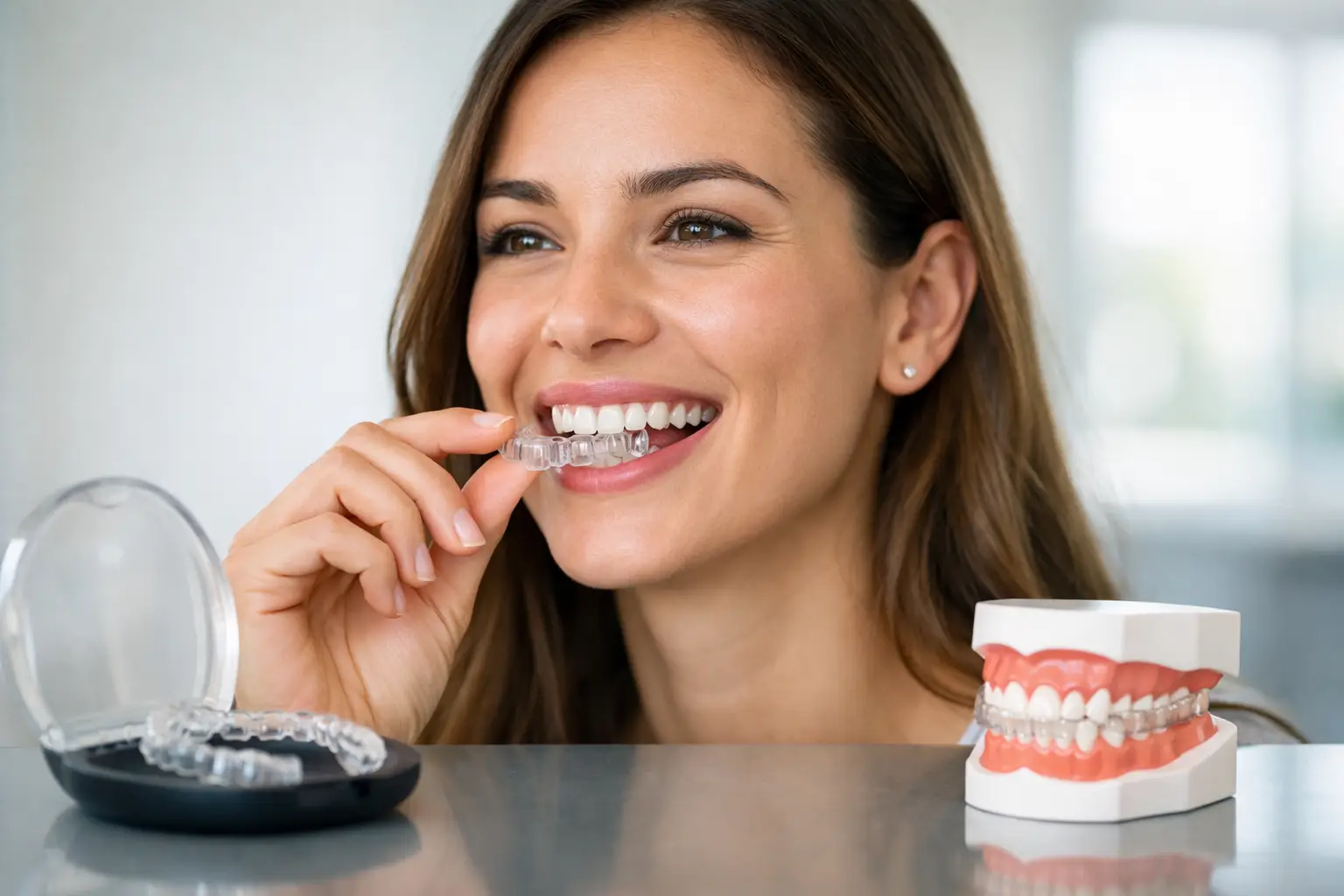
A straighter smile should not require guessing what happens next. This clear aligner treatment guide explains what clear aligners can correct, what daily treatment actually looks like, and the habits that help you reach a healthy, confident result. For adults and teens with busy schedules across McKinney and North Dallas, the appeal is clear: orthodontic treatment that is discreet, removable, and planned around your life.
Clear aligners are not a one-size-fits-all cosmetic product. They are a carefully designed orthodontic system that moves teeth in small, controlled stages. The best experience begins with an in-person evaluation, honest expectations, and a team that makes every step feel understandable.
Clear Aligner Treatment Guide: Is It Right for You?
Clear aligners use a series of custom, transparent trays to gradually guide teeth into healthier positions. Each set is worn for a prescribed period before moving to the next set. Because the trays are removable, most patients can eat their usual foods and brush and floss without working around brackets and wires.
They can be an excellent option for many concerns, including mild to moderate crowding, gaps between teeth, rotated teeth, certain bite issues, and tooth movement that has occurred after previous braces. Adults who had orthodontic treatment years ago often choose aligners to correct teeth that have shifted over time.
Whether aligners are the right choice depends on more than how noticeable your teeth look in photos. Your dentist will consider your bite, gum health, bone support, jaw relationship, the condition of existing crowns or restorations, and the amount and type of movement needed. Severe bite discrepancies, complex tooth positions, or cases that require more force may be better treated with traditional braces or a combined approach.
That is not a setback. It is good treatment planning. The goal is not simply straighter front teeth. It is a bite that feels comfortable, functions properly, and supports long-term oral health.
What Happens Before Your First Aligner
Treatment begins with a consultation and a detailed examination. If there is active decay, gum inflammation, an untreated infection, or a broken restoration, those concerns should be addressed first. Healthy teeth and gums provide the foundation for predictable orthodontic movement.
Your dental team then captures detailed digital records of your smile and bite. Modern scanning technology can often replace messy traditional impressions, creating a precise digital model of your teeth. These records are used to design your treatment plan and show the anticipated sequence of tooth movement.
This planning appointment is the right time to ask practical questions. How long is treatment likely to take? Will attachments be needed? Are there alternatives? What happens if a tray is lost? You should leave with a clear understanding of the recommended path, the expected investment, and the responsibilities that come with removable orthodontic treatment.
At Ashar Dentistry, that conversation is designed to be straightforward and personal, especially for patients who feel anxious about dental care or have put off improving their smile because the process felt overwhelming.
Why the Digital Preview Is Helpful, Not a Guarantee
A treatment preview can be exciting because it illustrates the intended result before you begin. Still, your mouth is not a computer simulation. Teeth can respond differently from one person to another, and your dentist may recommend refinements near the end of treatment to improve the fit, bite, or final alignment.
Refinement aligners are common and do not mean treatment has failed. They are often the final detail work that helps create a more polished, stable result.
Living With Clear Aligners Day to Day
Most patients are instructed to wear aligners about 20 to 22 hours a day. That means the trays are removed for meals, snacks, and anything other than plain water. The removable design is a major advantage, but it also makes consistency your responsibility.
If aligners spend too much time in their case instead of on your teeth, they cannot deliver the planned movement. Wearing them only at night or taking frequent extended breaks can delay progress and make the next tray feel uncomfortably tight.
A simple routine makes treatment easier: remove trays before eating, place them in their case rather than a napkin, brush after meals when possible, and put them back in promptly. Rinse aligners in cool water and clean them gently as directed. Hot water can warp the plastic, and abrasive toothpaste may scratch it, making the trays more visible.
Coffee, tea, red wine, and sugary drinks can stain aligners or allow sugars and acids to sit against teeth. If you choose to drink anything other than water while wearing them, ask your dental team for guidance. In many cases, removing the trays and rinsing before reinserting them is the better habit.
Attachments, Buttons, and Small Changes You May Notice
Some treatment plans use tooth-colored attachments, which are small composite shapes placed on selected teeth. They give the aligners a better grip so they can make more precise movements. Attachments are subtle, but they can make trays feel more noticeable during the first few days.
Certain bite corrections may also require elastics connected to small buttons. These additions can sound intimidating, but they are often what allow clear aligners to address more than simple crowding. Your dental team will show you exactly how to place and remove elastics, and regular check-ins help confirm that your bite is progressing as planned.
How Long Does Clear Aligner Treatment Take?
Many clear aligner cases take roughly 6 to 18 months, though treatment can be shorter or longer depending on your starting bite, the movements needed, and how consistently you wear the trays. A small spacing concern may move relatively quickly. More involved bite correction requires more time and careful monitoring.
Appointments are usually less frequent than with traditional braces, but they still matter. Your dentist needs to confirm that aligners are tracking properly, evaluate your gums and bite, and adjust the plan if needed. Skipping visits can allow a small issue to become a larger delay.
You may feel pressure for a day or two when starting a new set of trays. That pressure is generally a sign that teeth are moving. Sharp pain, a tray that will not fully seat, a loose attachment, or persistent gum irritation deserves a call to the office. Early guidance can protect your timeline and your comfort.
The Trade-Offs to Consider Before Starting
Clear aligners offer discretion and flexibility, but they are not automatically easier than braces. They require discipline. Patients who routinely forget to wear trays, tend to misplace removable items, or cannot commit to regular cleaning may have a better experience with fixed orthodontic options.
There can also be a brief adjustment period. Some people notice a slight lisp when they first begin speaking with aligners. Most adapt quickly. Attachments can make teeth feel less smooth while trays are out, and the need to remove aligners before every meal requires a little planning when dining out or traveling.
For many patients, these trade-offs are well worth the convenience. The key is choosing treatment because it fits your habits and goals, not because it is simply less noticeable.
Finishing Treatment: Retainers Protect the Result
The final aligner is not the finish line. Teeth naturally have a tendency to shift, especially during the first months after orthodontic treatment. Retainers hold your teeth in their new positions while surrounding tissues adapt.
Your dentist will recommend a retainer schedule based on your case. Many patients begin with more consistent wear and transition to nighttime wear over time. Retainers should be cleaned, stored safely, and brought to checkups if you have questions about fit. If a retainer becomes tight after time out of use, do not force it. Contact your dental office for guidance.
Keeping regular preventive visits after treatment is equally valuable. Cleanings and exams help protect the healthy gums, enamel, and restorations that support your new smile.
A clear aligner journey works best when it feels like a partnership: you wear and care for the trays consistently, and your dental team monitors every stage with attention to your comfort and results. If you are ready to explore a straighter smile without putting your life on pause, schedule a consultation and get answers tailored to your teeth, bite, and goals.
This article is general dental-health information from Ashar Dentistry in McKinney, TX and is not a substitute for an exam or personalised advice. Questions about your own teeth? Call us or book a visit.