
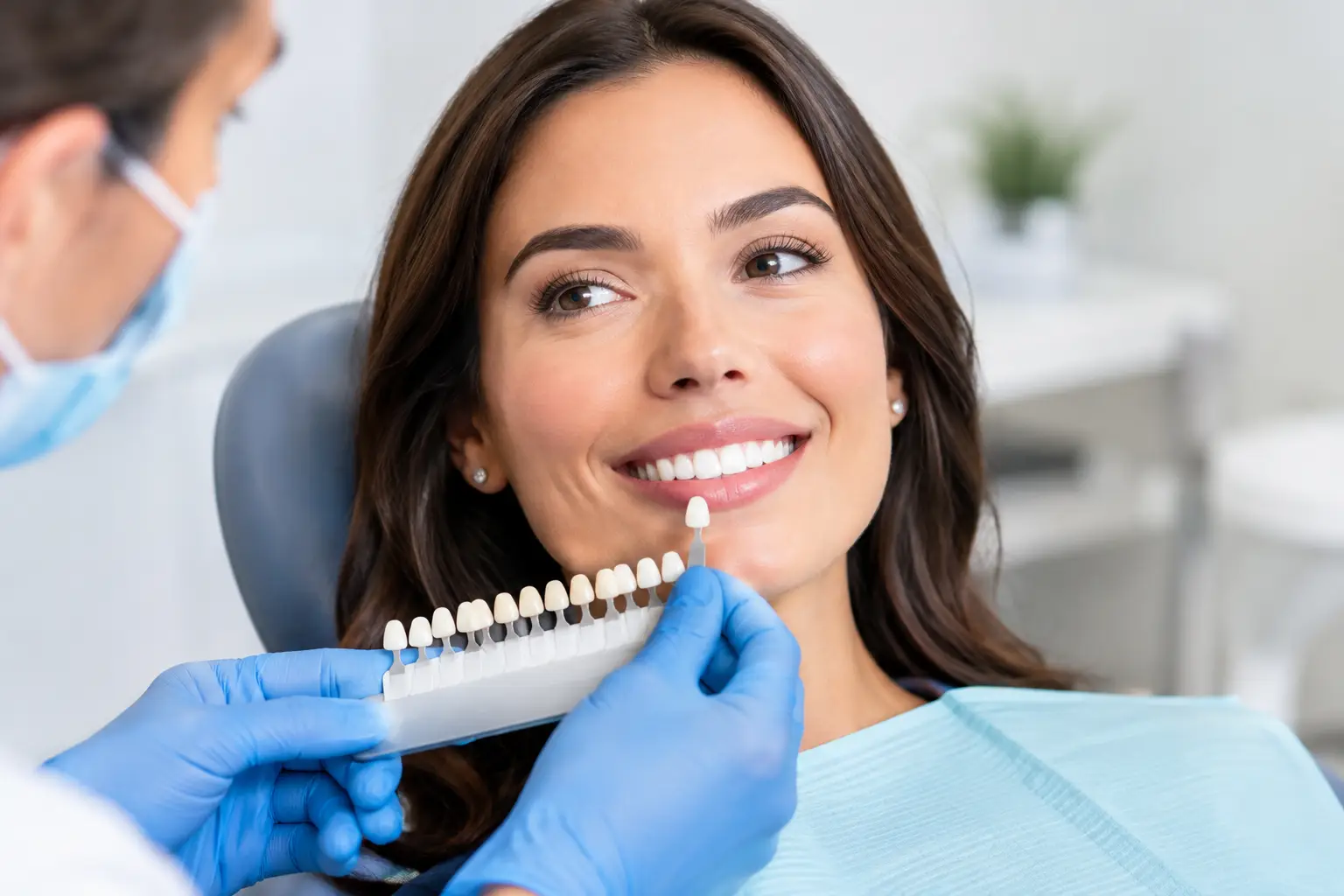
A brighter, more even smile can change how you feel in photos, conversations, and everyday moments. But before choosing cosmetic treatment, many patients ask a very practical question: are veneers permanent? The honest answer is that veneers themselves are not permanent, but the decision to place them is usually a long-term commitment.
Veneers can create a beautiful, natural-looking result for many years. Understanding what happens to the tooth underneath, how long different materials last, and what future care may involve helps you make that decision with confidence rather than pressure.
Are veneers permanent?
Traditional veneers are thin custom shells that are bonded to the front surfaces of teeth. Most are made of porcelain, although composite resin veneers are also an option in certain situations. To make room for a traditional veneer and create a natural contour, a dentist typically removes a small amount of enamel from the front of the tooth.
Enamel does not grow back. That is why traditional veneers are considered irreversible. Once a tooth has been prepared for a veneer, it will generally need to remain covered with a veneer or another restoration, such as a crown, for the long term.
The veneer material, however, is not designed to last forever. Even excellent porcelain veneers may eventually need replacement due to normal wear, a crack, changes at the gumline, staining around the edges, or damage from biting forces. Think of veneers as a durable, long-term restoration rather than a one-time, lifetime procedure.
How long do veneers usually last?
Porcelain veneers commonly last 10 to 15 years and may last longer with attentive home care and regular dental visits. Porcelain is highly stain-resistant, strong, and able to reflect light in a way that resembles natural enamel. It is often the preferred material when a patient wants a lasting cosmetic change across visible front teeth.
Composite resin veneers generally have a shorter lifespan, often about five to seven years before they need more significant repair or replacement. They can be a more conservative and cost-conscious option, and they are often easier to repair if chipped. However, composite is more likely to stain and wear over time than porcelain.
A lifespan estimate is never a guarantee. Someone who wears a nightguard, keeps regular hygiene appointments, and avoids using their teeth as tools may keep veneers looking excellent for many years. Someone who clenches, grinds, bites ice, or has untreated gum disease may need repairs much sooner.
What can shorten a veneer’s lifespan?
The biggest concern is excessive pressure. Veneers are strong when bonded correctly, but they are not meant for opening packages, biting fingernails, chewing pens, or crunching hard objects. Grinding and clenching can place repeated force on the front teeth, which is why a custom nightguard may be recommended for patients who show signs of bruxism.
Gum health also matters. Veneers cover the front of the tooth, not the gums or the spaces between teeth. If plaque accumulates at the margins, inflammation and recession can develop. As the gumline changes, the edge of the veneer may become more visible, even if the porcelain itself remains intact.
Daily habits make a difference, too. Coffee, tea, red wine, and tobacco can stain natural teeth and composite bonding. Porcelain resists stains well, but it will not lighten with whitening treatment later. That means the shade should be chosen thoughtfully before treatment, especially if you may want whitening for nearby natural teeth.
What happens when veneers need to be replaced?
Replacing a veneer is a planned dental procedure, not necessarily a sign that something went wrong. Your dentist removes the old veneer, evaluates the tooth and gum tissue, and checks for decay, cracks, leakage, or changes in bite. A new veneer is then designed and bonded to restore the tooth’s appearance and protection.
In many cases, replacement is straightforward. Still, every replacement cycle requires careful evaluation. If a tooth has lost additional structure, developed a large fracture, or needs more support than a veneer can provide, a crown may be the better long-term option.
This is one reason a thorough consultation matters. Cosmetic dentistry should consider more than a photo-ready result. Your bite, enamel thickness, gum health, existing fillings, grinding habits, and long-term goals all help determine whether veneers are the right treatment and how conservative the preparation can be.
Are no-prep veneers permanent?
No-prep or minimal-prep veneers may require little to no enamel removal in carefully selected cases. Because they are very thin, they work best when there is enough room to add material without making teeth look bulky. They may be appropriate for small teeth, minor spacing, limited shape changes, or subtle cosmetic refinements.
It is tempting to assume no-prep always means reversible. In reality, the answer depends on the individual case. Some teeth may still need slight contouring, and removing a bonded veneer without affecting the underlying surface can be difficult. No-prep veneers are not suitable for every smile, particularly when teeth are already prominent, severely discolored, crowded, or heavily restored.
A personalized exam is the safest way to determine whether a conservative veneer approach is realistic for your teeth.
Veneers versus whitening, bonding, and crowns
Veneers are not automatically the best answer for every cosmetic concern. If your teeth are healthy and the main concern is color, professional whitening may deliver the change you want without altering tooth structure. Whitening does not change the color of crowns, fillings, or veneers, so timing should be discussed before cosmetic work begins.
For a small chip, uneven edge, or minor gap, cosmetic bonding may be enough. Bonding preserves more natural enamel and is often easier to repair, although it can stain and wear more quickly than porcelain.
Crowns are different from veneers because they cover the entire tooth. They are typically recommended when a tooth has significant decay, a large filling, a crack, or has had root canal treatment. Placing a veneer on a tooth that needs the strength of a crown can compromise both appearance and longevity.
The right choice should feel tailored to your needs, not like a one-size-fits-all cosmetic package. A clear treatment plan should explain what is being changed, why it is recommended, and what maintenance you can expect in the years ahead.
How to care for veneers for the long term
Caring for veneers is similar to caring for natural teeth, with a little extra attention to protection. Brush twice daily with a soft-bristled toothbrush and nonabrasive toothpaste, and clean between teeth every day. Regular exams and professional cleanings allow your dental team to monitor the margins of the veneers, your gums, and your bite before a small issue becomes a larger one.
Avoid biting directly into very hard foods with your front teeth, and do not use veneers to tear, twist, or open items. If you grind or clench, wearing a custom nightguard can be one of the most worthwhile ways to protect your investment.
If a veneer feels loose, develops a rough edge, chips, or causes discomfort, schedule an evaluation promptly. Do not try to glue it back in place yourself. Early care can often prevent damage to the tooth underneath.
A smile decision worth planning carefully
Veneers can be a lasting solution for discoloration, worn edges, gaps, and unevenly shaped teeth, but they are best approached as an ongoing commitment to your smile. At Ashar Dentistry, the goal is to help you understand every option, feel comfortable asking questions, and choose treatment that supports both your confidence and your long-term oral health. A thoughtful consultation is a good first step when you are ready to explore what a naturally beautiful smile could look like for you.
This article is general dental-health information from Ashar Dentistry in McKinney, TX and is not a substitute for an exam or personalised advice. Questions about your own teeth? Call us or book a visit.